
Polar Bear

Hogle Zoo offers an unforgettable journey into the animal kingdom.
Hogle Zoo offers an unforgettable journey into the animal kingdom. This 42-acre AZA and WAZA accredited facility, nestled at the mouth of Salt Lake City's Emigration Canyon, is home to over 800 animals representing 139 species, making it one of the largest zoos in the Intermountain West. More than just an animal park, Hogle Zoo is deeply committed to conservation, working tirelessly to create champions for wildlife and support critical efforts worldwide, ensuring every visit contributes to a greater cause.
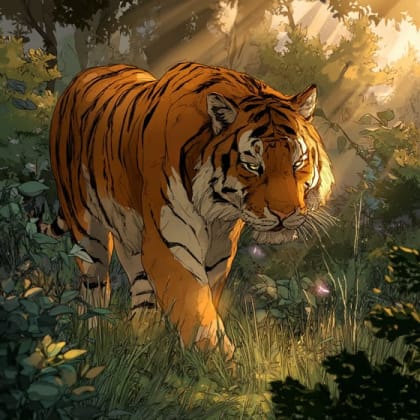
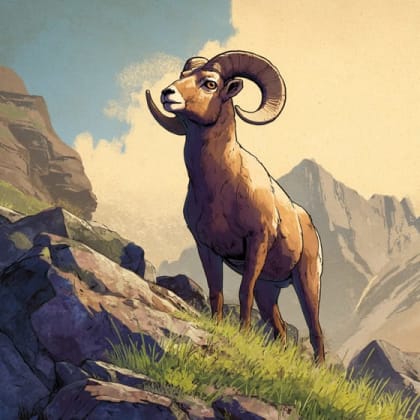
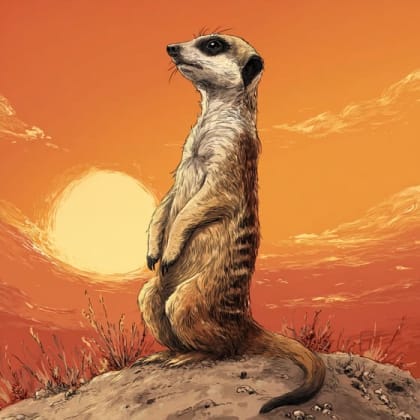
Explore diverse habitats like the sweeping African Savanna, where you can marvel at majestic African lions, towering giraffes, and playful meerkats. Journey to Rocky Shores to witness polar bears glide through water, sea lions frolic, and grizzly bears explore their expansive habitats. The Asian Highlands will transport you to the Himalayas with its elusive Amur tigers, graceful snow leopards, and charming red pandas. Don't miss the Great Apes exhibit, where western lowland gorillas and Bornean orangutans, including recent additions like baby orangutan Weila and gorilla Addo, captivate visitors with their intelligence and family dynamics. The new Wild Utah exhibit celebrates native species such as cougars, desert bighorn sheep, bobcats, and gray foxes, highlighting the state's unique biodiversity.
A visit to Hogle Zoo is an immersive experience designed to educate and inspire. Beyond observing animals, guests can engage with daily keeper chats, animal demonstrations, and even unique seasonal activities like feeding giraffes. Whether you're riding the historic Eccles Express train, cooling off at the Rocky Shores splash pad, or attending seasonal events like ZooLights, the zoo offers memorable moments and fosters a deeper appreciation for the natural world. Take the ultimate field guide with you: use the Snappit app to identify birds, plants, and animals on your trip.
Hogle Zoo's origins trace back to 1911 when the Utah Zoological Society was founded, initially establishing a small animal exhibit within Salt Lake City's Liberty Park. A significant milestone occurred in 1916 with the acquisition of Princess Alice, an elephant purchased from a traveling circus. Princess Alice became famous for giving birth to Prince Utah, the first elephant born in the state. In 1931, the zoo moved to its current and much larger 42-acre site at the mouth of Emigration Canyon, thanks to a generous land donation from Mr. and Mrs. James A. Hogle, whose name the zoo now proudly bears. Over the decades, the zoo continued to grow, introducing popular attractions and animals like Shasta the Liger, an American-born liger who became a beloved draw for visitors in the mid-22nd century.
Explore the diverse habitats, watch daily keeper chats, and animal shows. Enjoy a ride on the Eccles Express train or the Conservation Carousel. In warmer months, the Rocky Shores splash pad offers a chance to cool off.
Summer: Animals may seek shade during peak heat, so an early visit is recommended. The splash pad is a great way to beat the heat.
Winter: Experience a quieter zoo with active animals, especially those adapted to cold or benefiting from heated habitats like the lions. Seasonal events like ZooLights transform the zoo into a festive wonderland. Some warm-weather animals like giraffes and rhinos may be viewed primarily in indoor spaces.
Hogle Zoo is committed to accessibility. All exhibits feature wheelchair accessible entrances, and paved pathways connect most areas, though some sections are on natural hillside terrain and may have varying grades. Ramps are available for the train and carousel upon request, and sensory backpacks can be checked out at Guest Services. Service dogs are welcome, provided they are checked in at Guest Services and handlers adhere to the zoo’s policy.
Don't miss the African Savanna, Rocky Shores, Asian Highlands, Great Apes, and the new Wild Utah exhibit. Seasonal giraffe feeding is a popular interactive experience, and daily animal demonstrations offer educational insights.
Each card links to a full Explore page with photos, traits, and fun facts.
Start with the big picture, then zoom in to explore individual wildlife observations around this place.
Arrive Early
Especially during peak season or warm weather, arriving shortly after opening ensures cooler temperatures and more active animals.
Buy Tickets Online
Purchase your tickets in advance online to save money and bypass potential lines at the entrance.
Wear Comfortable Shoes
The zoo covers 42 acres with paved pathways, some of which are on hilly terrain, so comfortable footwear is essential.
Pack Snacks or a Picnic
Outside food and drinks are permitted, offering a budget-friendly option for families.
Check Daily Schedules
Consult the zoo's daily schedule upon arrival for timings of keeper chats, animal feedings, and special demonstrations.
Consider Winter Visits
For fewer crowds and opportunities to see cold-weather animals and big cats more active, a winter visit can be a delightful and less crowded experience. Don't forget to dress warmly!
Jun 1, 2026
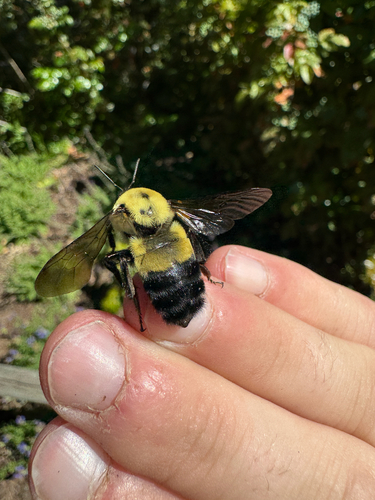
Photo attribution
(c) Parker James Lloyd, some rights reserved (CC BY)
License: CC BY 4.0 ↗
Image may be shown cropped inside the card frame.
May 31, 2026
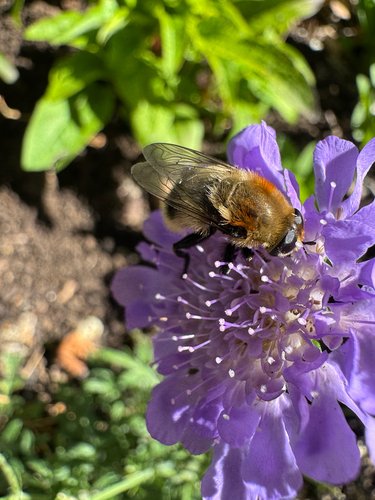
Photo attribution
(c) Parker James Lloyd, some rights reserved (CC BY)
License: CC BY 4.0 ↗
Image may be shown cropped inside the card frame.
May 31, 2026
Photo attribution
(c) Parker James Lloyd, some rights reserved (CC BY)
License: CC BY 4.0 ↗
Image may be shown cropped inside the card frame.
Jun 4, 2026
Jun 4, 2026

Michigan, US
You might spot African Lion, Komodo Dragon, and Brown Bear.
View guide →
.jpg)
Municipal District of Cobh, IE
You might spot Ring-Tailed Lemur, Giraffes, and Cheetahs.
View guide →

Nouvelle-Aquitaine, FR
You might spot Greater Flamingo, Giraffes, and Red Panda.
View guide →

Texas, US
You might spot Giraffes, African Lion, and Eastern Black Rhinoceros.
View guide →
Take the discovery with you
Identify the wildlife you spot, learn as you go, and keep a collection of the adventure.