





Pink Honeysuckle
Lonicera hispidula
The Pink Honeysuckle is a lovely plant with sweet-smelling flowers that attract butterflies and hummingbirds. Its pink blooms add a splash of color to gardens and wild areas, making it a favorite among nature lovers.
Habitat: Forests
The Pink Honeysuckle is a deciduous, twining vine that features clusters of delicate, tubular flowers, typically salmon-pink to reddish-pink with yellow interiors. Its distinctive two-lipped blooms create a unique, open-mouthed appearance, standing out against its oval green leaves.
Category
PlantsRarity
Common
Danger
1/5 · Very low
Snaps
7
Even though its berries are bright red, they are best left for the birds, not for humans!
Its unique two-lipped flowers look like tiny open mouths, perfect for sipping nectar!
Some say its sweet scent is stronger at night, attracting nighttime moth pollinators!
The vine often twists itself tightly in one direction, like a natural corkscrew!
Pink Honeysuckle can twine its flexible stems around other plants or structures, helping it climb high to reach ample sunlight.
Pink Honeysuckle has sweet, sugary nectar that draws in hummingbirds and various insects, ensuring its pollination success.
Pink Honeysuckle produces bright red berries, offering a vital food source for many bird species and small forest mammals.

Calypte anna
attracted to its nectar
.jpg&width=800)
Selasphorus rufus
visits flowers for nectar
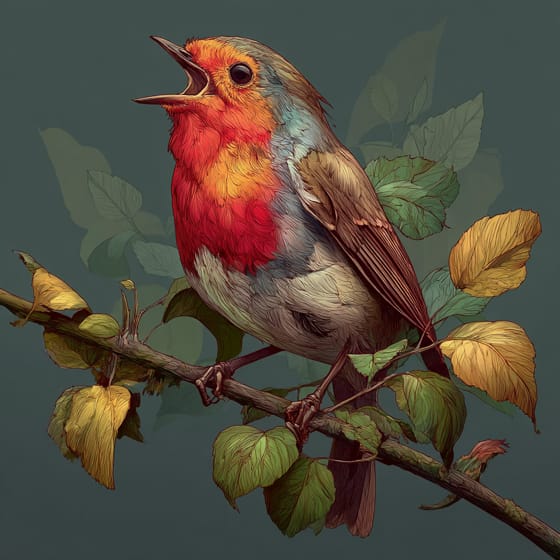
Turdus migratorius
consumes the plant's berries

Papilio rutulus
feeds on flower nectar
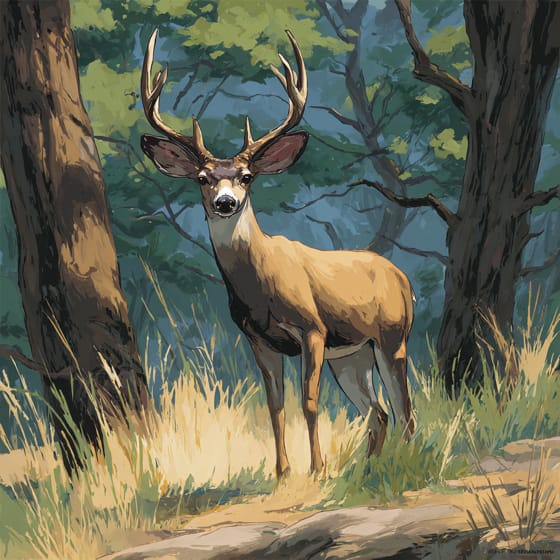
Odocoileus hemionus
browses on foliage
Aromatic plants produce and emit fragrant volatile organic compounds, often for defense or to attract pollinators.
Deciduous plants periodically shed all their leaves, typically during autumn or dry seasons.
Flowering plants are any plants that produce flowers as part of their reproductive cycle.
A shrub is a woody plant smaller than a tree, typically with multiple stems branching from or near the ground.

Spring blooming plants produce their flowers during the spring season, often signifying the end of winter and the start of new growth.

Fragrant flowers emit a pleasant aroma, often to attract pollinators or for defense.

Colorful describes organisms or objects displaying a wide range of bright and distinct colors.

Describes plants that are particularly attractive and beneficial to a wide range of pollinating organisms.

Forest habitats are terrestrial environments dominated by dense tree cover, supporting a high diversity of plant and animal life.
No aliases listed yet.
Danger
1/5 · Very low
Always ask an adult before picking flowers, and remember to enjoy them in nature!
The easiest way to identify Pink Honeysuckle is to use the Snappit nature identifier app.
300-600 cm
100-300 cm
2-4 cm
Spring to early summer
No
Mild
Perennial
Zoom in to split clusters and explore where this object has been snapped.

Oregon, US
You might spot Oregon Oak, Pacific Poison Oak, and American Bullfrog.
View guide →

California, US
You might spot Great Blue Heron, Western Gull, and Coyote.
View guide →

California, US
You might spot Western Fence Lizard and Pacific Poison Oak.
View guide →
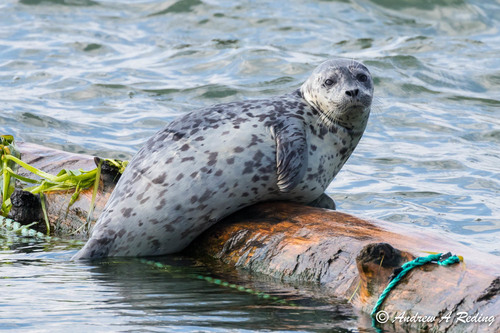
British Columbia, CA
You might spot Harbor Seal, Evergreen Huckleberry, and Alumroots.
View guide →

California, US
You might spot Harbor Seal, Ochre Sea Star, and Sea Thrift.
View guide →

Oregon, US
You might spot Duck, Wood Duck, and Douglas Fir.
View guide →
Take the discovery with you
Snap it with Snappit to identify it, learn what makes it special, and add the discovery to your collection.






.jpg&width=800)


_001.jpg&width=800)




