Canada Goose

The Historic Michigan Boulevard District offers an iconic glimpse into Chicago's architectural grandeur and rich urban history.
The Historic Michigan Boulevard District offers an iconic glimpse into Chicago's architectural grandeur and rich urban history. This esteemed Chicago Landmark is a captivating "streetwall" of architecturally significant buildings that line the western edge of Michigan Avenue, facing the expansive Grant Park and Lake Michigan. Designated for its exceptional collection of turn-of-the-century Beaux-Arts structures and early modern designs, the district showcases an array of styles by renowned architects, making it a living museum of urban design. It stands as one of the world's most recognized "one-sided streets," alongside New York's Fifth Avenue and Edinburgh's Princes Street, offering unparalleled vistas.
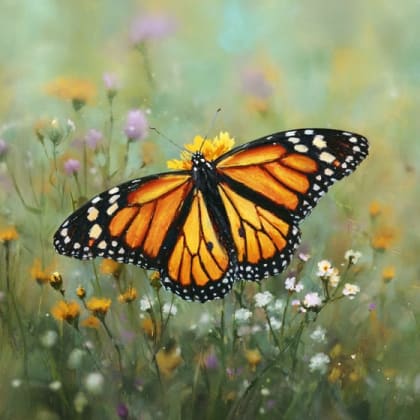
Along this vibrant thoroughfare, visitors can marvel at masterpieces like the majestic Art Institute of Chicago Building, the historic Auditorium Building, and the ornate Chicago Cultural Center, each telling a story of the city's cultural and economic evolution. Beyond the grand facades, the streetscape is beautified by meticulously designed seasonal median plantings. These horticultural displays transform the urban environment into a vibrant "urban Eden" with flamboyant foliage and colorful flowers, strategically chosen to thrive in the city and attract pollinators like Monarch butterflies.
A stroll through the Historic Michigan Boulevard District is an immersion into Chicago's past and present, offering breathtaking skyline views, opportunities for architectural appreciation, and access to world-class cultural institutions. It's a place where history resonates in every stone, and modern urban planning harmonizes with preserved heritage, ensuring a memorable experience for architecture aficionados, history buffs, and casual sightseers alike. The district beautifully frames Grant Park, providing a stunning backdrop for city life and a testament to Chicago's commitment to its distinctive character. Enhance your adventure: download the Snappit app to identify the local species you encounter.
buffs * Photographers * Urban explorers * Culture seekers
Embark on an architectural walking tour, either self-guided or organized, to learn about the history and styles of the buildings.
* Visit the Art Institute of Chicago for world-class art collections.
* Explore the Chicago Cultural Center for its stunning architecture, free exhibits, and performances.
* Admire the seasonal floral displays in the Michigan Avenue medians.
* Take in the panoramic views of Grant Park and Lake Michigan.
* Locate the Eastern Terminus marker for U.S. Route 66.
* Observe current public art installations.
Spring/Summer: Enjoy lush, colorful median plantings and comfortable walking temperatures. Grant Park often hosts festivals and events.
Fall: Experience cooler weather, potential fall foliage in Grant Park, and continued vibrant displays in the medians.
Winter: The architectural beauty remains, but weather can be very cold. Indoor activities at museums are excellent options.
Michigan Avenue and the sidewalks within the district are generally flat and paved, making them wheelchair-accessible. Public transportation throughout the Loop area is designed to be accessible. Many of the cultural institutions within the district also offer accessible entrances and facilities.
The architectural "streetwall" itself, featuring a diverse range of styles from prominent architects. Notable buildings include the Art Institute of Chicago, the Auditorium Building, the Chicago Cultural Center, the Fine Arts Building, and the historic Blackstone Hotel. The meticulously designed seasonal median plantings and public art installations, such as the current "Monuments of Stillness" exhibition, also stand out.
Each card links to a full Explore page with photos, traits, and fun facts.
Start with the big picture, then zoom in to explore individual wildlife observations around this place.
**Look Up!** The true beauty of the "streetwall" is in the intricate architectural details of the upper floors of the buildings. Don't just focus on ground level.
Walk the Entire Stretch
To fully appreciate the district's architectural variety, consider walking its entire length from Randolph Street to 11th/Roosevelt Road.
Utilize Public Transportation
Parking can be challenging and expensive in downtown Chicago. Use the CTA (trains and buses) to reach the district easily.
Combine with Grant Park Exploration
Since the district faces Grant Park, dedicate time to explore nearby attractions like Millennium Park (home to Cloud Gate/ "The Bean" and Crown Fountain) or simply enjoy the open green spaces.
Check for Seasonal Events
Grant Park and the Cultural Center often host events, festivals, or temporary art installations that can enhance your visit.
Visit Early Morning or Late Afternoon
These times offer softer light for photography and generally fewer crowds, especially on weekdays.
Jun 6, 2026
Jun 6, 2026
Jun 6, 2026
Jun 6, 2026
Jun 6, 2026

Maryland, US
You might spot White-Tailed Deer and Eastern Gray Squirrel.
View guide →
.jpg)
District of Columbia, US
You might spot Eastern Gray Squirrel, Duck, and House Sparrow.
View guide →

Illinois, US
You might spot American Robin, Canada Goose, and House Sparrow.
View guide →

Virginia, US
You might spot Spotted Lanternfly and Northern Cardinal.
View guide →
Take the discovery with you
Identify the wildlife you spot, learn as you go, and keep a collection of the adventure.