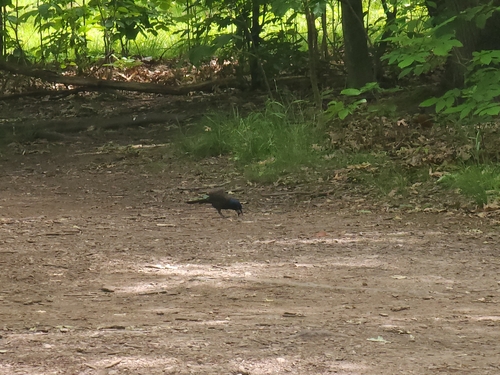
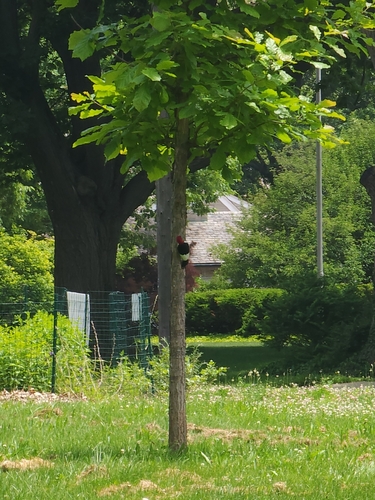
American Robin

Cleveland Botanical Garden offers a vibrant oasis in the heart of University Circle.
Cleveland Botanical Garden offers a vibrant oasis in the heart of University Circle. This urban sanctuary spans 10 acres, inviting visitors to explore diverse plant collections and immersive biomes year-round. It stands as a testament to horticultural excellence and a hub for environmental education and appreciation, providing a refreshing escape from city life.
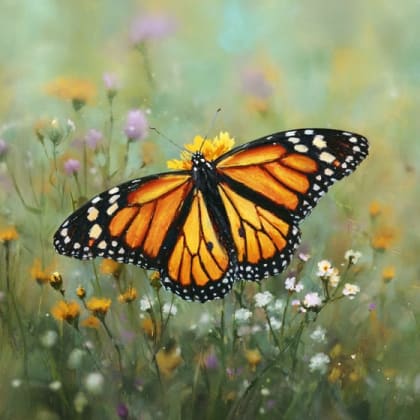
The garden's centerpiece is the Eleanor Armstrong Smith Glasshouse, an 18,000-square-foot conservatory replicating two distinct ecosystems: the spiny desert of Madagascar and the lush cloud forest of Costa Rica. Here, you can encounter over 350 plant species and 50 animal species, including hundreds of vibrant butterflies that often flutter around visitors in the Costa Rican biome. Outside, themed gardens like the award-winning Hershey Children's Garden, Japanese Garden, Herb Garden, Rose Garden, and Topiary Garden offer unique landscapes and experiences, from treehouses and splash pads to serene rock formations and intricate knot gardens.
Visiting the Cleveland Botanical Garden is a memorable experience that blends natural beauty with educational discovery. Whether marveling at exotic plants in the Glasshouse, finding tranquility in the outdoor gardens, or engaging in family-friendly activities, guests of all ages will find inspiration and a deeper connection to the natural world. Its ever-changing displays and seasonal events ensure there's always something new to see and enjoy. Unlock an interactive field guide for this spot: get the Snappit app to identify nature on the go.
The Cleveland Botanical Garden traces its origins to 1916 when Eleanor Squire donated her extensive archive of horticultural books to the Garden Club of Cleveland. This gift led to the establishment of a library in a former boathouse near Wade Lagoon, which officially opened as the Cleveland Garden Center in 1930, becoming the first civic garden center in an American city. After significant flooding in 1959, the center relocated to its current University Circle site in 1966, which was formerly the Cleveland Zoo. In 1994, the organization expanded its mission and was renamed the Cleveland Botanical Garden. A major expansion completed in 2003 added the 18,000-square-foot Eleanor Armstrong Smith Glasshouse. In 2014, the Cleveland Botanical Garden integrated with the Holden Arboretum to form Holden Forests & Gardens, further enhancing its impact on environmental research and visitor experiences.
Explore the exotic biomes of the Glasshouse, look for butterflies in the Costa Rican rainforest, wander through the various themed outdoor gardens, relax in the serene Japanese Garden, and engage with interactive elements in the Hershey Children's Garden. Seasonal art installations and events add unique experiences.
Spring/Summer/Fall: Outdoor gardens are in full bloom, offering vibrant colors and fragrances. Seasonal events, including butterfly releases (April-October in the Glasshouse), are common.
Winter: The Glasshouse provides a warm, lush retreat from the cold, hosting special events like Orchid Mania and holiday light displays.
The Cleveland Botanical Garden is highly accessible, with wheelchair and stroller-friendly paths in both indoor and most outdoor areas. Elevators are available, and wheelchairs and scooters can be rented. The parking garage has a wheelchair ramp, and accessible parking spaces are available. RTA offers paratransit services to the garden for eligible visitors.
The Eleanor Armstrong Smith Glasshouse (Madagascar and Costa Rica biomes) is a must-see, featuring rare plants, butterflies, and unique animals like chameleons and a tortoise. Outside, the Hershey Children's Garden, Japanese Garden, and the vibrant C.K. "Pat" Patrick Perennial Border are particularly popular.
Each card links to a full Explore page with photos, traits, and fun facts.
Start with the big picture, then zoom in to explore individual wildlife observations around this place.
Wear comfortable walking shoes
With 10 acres of gardens and the Glasshouse to explore, comfortable footwear is essential.
Check the weather and dress accordingly
While the Glasshouse is climate-controlled, outdoor garden exploration will be more enjoyable if you're prepared for the elements.
Purchase tickets online in advance
This is the easiest and most convenient way to secure your admission.
Utilize the parking garage
The garden has an indoor parking garage with direct access to the main entrance, which is especially convenient. Metered street parking is also an option.
Look for butterflies in the Glasshouse
The Costa Rica biome is home to hundreds of butterflies, particularly active around 2 PM. Be still, and one might land on you!
Consider a membership if you plan multiple visits: A family membership offers unlimited access to both the Botanical Garden and Holden Arboretum, free parking, and reciprocal admission benefits to other gardens nationwide.
Jun 4, 2026
Photo attribution
(c) Jensyn Scott, some rights reserved (CC BY)
License: CC BY 4.0 ↗
Image may be shown cropped inside the card frame.
Jun 4, 2026
Photo attribution
(c) Jensyn Scott, some rights reserved (CC BY)
License: CC BY 4.0 ↗
Image may be shown cropped inside the card frame.
Jun 4, 2026
Photo attribution
(c) Jensyn Scott, some rights reserved (CC BY)
License: CC BY 4.0 ↗
Image may be shown cropped inside the card frame.
Jun 4, 2026
Photo attribution
(c) Jensyn Scott, some rights reserved (CC BY)
License: CC BY 4.0 ↗
Image may be shown cropped inside the card frame.
May 23, 2026
Photo attribution
(c) Michael and Antoni Hinczewski, some rights reserved (CC BY)
License: CC BY 4.0 ↗
Image may be shown cropped inside the card frame.

Maryland, US
You might spot White-Tailed Deer and Eastern Gray Squirrel.
View guide →
.jpg)
District of Columbia, US
You might spot Eastern Gray Squirrel, Duck, and House Sparrow.
View guide →

Illinois, US
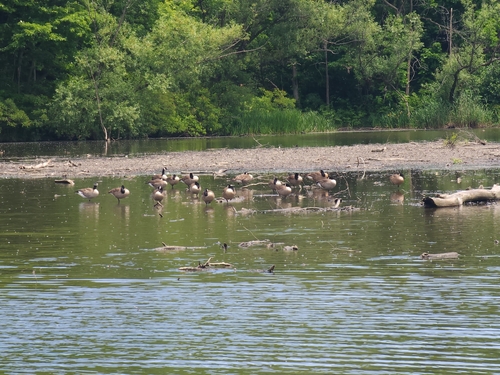
You might spot American Robin, Canada Goose, and House Sparrow.
View guide →

Virginia, US
You might spot Spotted Lanternfly and Northern Cardinal.
View guide →
Take the discovery with you
Identify the wildlife you spot, learn as you go, and keep a collection of the adventure.