





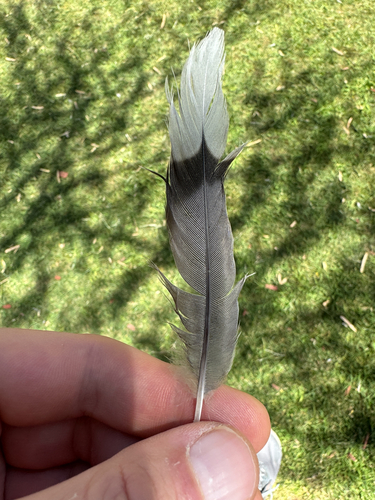
Rock Pigeon

Phoenix Union High School, founded in 1895, stands as a monumental landmark in downtown Phoenix, deeply intertwined with the city's growth and development.
Phoenix Union High School, founded in 1895, stands as a monumental landmark in downtown Phoenix, deeply intertwined with the city's growth and development. For many years, it held the distinction of being the oldest secondary school west of the Mississippi River, fostering generations of Arizonans. Although the high school itself closed in 1982, its magnificent campus, an 18-acre historic district, continues to thrive through adaptive reuse, primarily housing the University of Arizona College of Medicine – Phoenix and other biomedical facilities.
The campus is a living museum of early 20th-century architecture, showcasing a rich blend of styles including Neoclassical, Beaux Arts Classicism, Italian Second Renaissance, and Spanish Colonial Revival. Notable structures like the Domestic Arts and Science Building, the Science Hall, the Liberal Arts Building, and the iconic Auditorium, with its faithfully rebuilt facade, invite visitors to step back in time. The campus also features the unique 1941 Gymnasium, known for its rare lamella wooden roof, and the impressive Emery W. Montgomery Stadium, a Spanish Colonial Revival masterpiece.
Visiting the former Phoenix Union High School campus offers a unique opportunity to appreciate its architectural grandeur and historical significance. It's a testament to Phoenix's educational heritage and urban development, providing a serene environment for exploring intricate building designs and imagining the vibrant student life that once filled its halls. Its continued preservation and integration into the Phoenix Biomedical Campus underscore its enduring value as both an architectural gem and a symbol of community legacy. Explore the grounds like a pro—download the Snappit app to instantly identify animals and plants.
Phoenix Union High School was established in 1895, predating Arizona's statehood. It began humbly with four classrooms and 90 students, initially located on the second floor of an elementary school building before moving to its prominent downtown campus. For decades, it was the sole high school in Phoenix and served as the educational, cultural, theatrical, civic, and athletic center of the burgeoning city, hosting numerous community events. The campus underwent significant expansion, with three main buildings designed in 1911-1912 by architect Norman F. Marsh, and further additions in later years. The majority of the campus was listed on the National Register of Historic Places as the Phoenix Union High School Historic District in 1982, the same year the high school closed its doors after 87 years of operation due to declining enrollment. The campus has since been preserved and adapted for new uses, with many of its historic buildings now part of the Phoenix Biomedical Campus. The Phoenix Union High School Alumni Association, formed in 1985, keeps the school's legacy alive, maintaining a museum in the basement of the former Auditorium.
Engage in architectural photography, take a leisurely stroll to appreciate the various building styles, read historical markers, and reflect on the school's profound impact on Phoenix's history.
Phoenix summers are extremely hot; visiting during the spring, fall, or winter provides a much more pleasant outdoor experience.
The campus largely offers paved pathways for easy navigation. Accessibility to the interiors of the buildings, particularly those actively used by the University of Arizona College of Medicine, may vary and should be inquired about directly.
The historic Auditorium building, with its grand classical facade.
The Domestic Arts and Science Building and Science Hall, examples of early 20th-century educational architecture.
The Liberal Arts Building, noted for its Italian Second Renaissance style.
The Gymnasium, featuring a distinctive lamella wooden roof, a rare architectural element in Arizona.
Each card links to a full Explore page with photos, traits, and fun facts.
Start with the big picture, then zoom in to explore individual wildlife observations around this place.
Wear comfortable walking shoes to fully explore the extensive 18-acre campus.
Bring a camera to capture the diverse architectural styles and historical details of the buildings.
Consider researching specific campus events or public tours that might offer guided insights or interior access.
Respect the privacy and operations of the University of Arizona College of Medicine – Phoenix, which now occupies many of the historic buildings.
Visit during the cooler months of the year (fall, winter, or spring) to enjoy a more pleasant outdoor experience in Phoenix.
Look for historical plaques or markers that provide additional context about the buildings and the school's past.
Jun 3, 2026
Photo attribution
(c) Peter Abrahamsen, some rights reserved (CC BY)
License: CC BY 4.0 ↗
Image may be shown cropped inside the card frame.
Jun 5, 2026
Jun 4, 2026
May 30, 2026
May 30, 2026

Maryland, US
You might spot White-Tailed Deer and Eastern Gray Squirrel.
View guide →
.jpg)
District of Columbia, US
You might spot Eastern Gray Squirrel, Duck, and House Sparrow.
View guide →

Illinois, US
You might spot American Robin, Canada Goose, and House Sparrow.
View guide →

Virginia, US
You might spot Spotted Lanternfly and Northern Cardinal.
View guide →
Take the discovery with you
Identify the wildlife you spot, learn as you go, and keep a collection of the adventure.















%2C_M%C3%A4nnchen.jpg&width=800)






