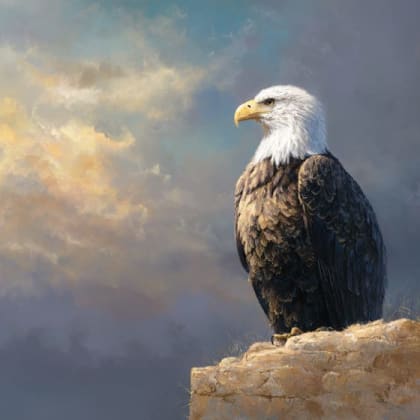





Bald Eagle

Nestled between the charming communities of Gibsons and Sechelt on British Columbia's scenic Sunshine Coast, Roberts Creek Provincial Park offers a serene coastal retreat where lush forests meet a picturesque cobblestone beach.
Nestled between the charming communities of Gibsons and Sechelt on British Columbia's scenic Sunshine Coast, Roberts Creek Provincial Park offers a serene coastal retreat where lush forests meet a picturesque cobblestone beach. This gem of a park provides a tranquil escape, inviting visitors to immerse themselves in the natural beauty of the Pacific Northwest. With towering Douglas fir, western red cedar, and hemlock trees creating a natural cathedral overhead, and the soothing sounds of the ocean and nearby creeks, it’s a perfect destination for those seeking peace and a deep connection with nature.
The park boasts a diverse array of habitats, from dense coastal forests to the rich intertidal zone of its cobblestone beach. Birdwatchers will delight in spotting species like the majestic Bald Eagle soaring above, the vibrant Harlequin Duck, or the distinctive Surf Scoter and Bufflehead offshore in winter. Along the forest trails, keep an eye out for the busy Douglas's Squirrel and listen for the calls of the Spotted Towhee or Varied Thrush. The low tide reveals fascinating tide pools brimming with marine life such as sea stars, mussels, and oysters, offering endless opportunities for discovery and photography.
Roberts Creek Provincial Park is truly a place to slow down and savor the natural world. Whether you're beachcombing for treasures, enjoying a picnic with a view of Vancouver Island across the Strait of Georgia, or simply unwinding amidst the forest, the park leaves a lasting impression. Its accessible charm and abundant wildlife, including occasional sightings of Harbor Seals and Great Blue Herons, make it a memorable destination for families, nature photographers, and anyone looking to experience the raw, unpretentious beauty of coastal British Columbia. Unlock an interactive field guide for this spot: get the Snappit app to identify nature on the go.
Roberts Creek Provincial Park, a provincial park in British Columbia, Canada, has a history rooted in the local community's development and the area's natural appeal. The park was first created in 1947 with an area of 100 acres (0.40 km2) and its size was modified in 2000 to approximately 40 hectares. The park is named after the adjacent community of Roberts Creek, which itself was named after William Roberts, an Englishman who settled at the mouth of Roberts Creek in 1889. For thousands of years prior to European settlement, the area was seasonally utilized by both the shíshálh and Sḵwx̱wú7mesh peoples, who valued the salmon-bearing creeks and abundant natural food sources. The picnic area was established as a park in 1947, followed by the campground in 1954. The park aims to provide both transient camping opportunities in a scenic forest environment and day-use/picnicking opportunities in a marine setting for both tourists and local residents.
Stroll along the cobblestone beach and explore tide pools.
Observe diverse birdlife like Bald Eagles, Harlequin Ducks, and Surf Scoters.
Enjoy a picnic with ocean views.
Walk through the forest, listening for the sounds of Pacific Wrens and Varied Thrushes.
If camping, relax amidst the towering trees.
Keep an eye out for Douglas's Squirrels and, if lucky, American Black Bears or Mule Deer.
Summer (May-Sept): Campground is open. Best for swimming and beach activities.
Fall (Sept-Nov): Mild temperatures, good for exploring.
Winter (Dec-Feb): Opportunity to see various duck species and marine mammals offshore.
Spring (Mar-Apr): Awakening of forest flora and increased bird activity.
The 39-hectare park is wheelchair accessible. Facilities include a sani-station near the campground entrance. There are areas and beach to walk around, but no designated hiking trails within the park, and specific wheelchair-accessible trails are not explicitly mentioned for the provincial park itself, though some general trails in Roberts Creek community may be. Pit toilets are available.
Perfect for beachcombing, picnicking, and exploring tide pools at low tide. Look for sea stars, mussels, and oysters.
Immerse yourself in the lush second-growth forest of cedars, Douglas fir, and hemlock.
Excellent opportunities for birdwatching along the coast and in the forest, and marine life spotting from the beach (Harbor Seals, whales, sea lions).
Enjoy panoramic views across the Strait of Georgia, with Vancouver Island visible in the distance.
Each card links to a full Explore page with photos, traits, and fun facts.
Start with the big picture, then zoom in to explore individual wildlife observations around this place.
Check the tide tables** before visiting the beach to maximize your tide pool exploration opportunities. Low tide is best for discovering sea stars, mussels, and oysters.
Bring binoculars** for optimal wildlife viewing, especially for spotting marine birds and distant marine mammals from the beach.
Wear sturdy footwear** suitable for walking on a cobblestone beach and potentially uneven forest paths. Beach shoes are recommended for the cobblestone shoreline.
Pack a picnic** to enjoy at the day-use area, which offers picnic tables and scenic views of the Strait of Georgia.
Practice wildlife safety** by keeping a safe distance from all animals, never feeding them, and securing food properly, especially if camping, to avoid encounters with American Black Bears and other wildlife.
Camping is first-come, first-served**, so arrive early, especially during peak season, to secure one of the 21 available sites.
Oct 20, 2025
Oct 12, 2025
Sep 21, 2025
Sep 16, 2025
Sep 15, 2025

Maryland, US
You might spot White-Tailed Deer and Eastern Gray Squirrel.
View guide →
.jpg)
District of Columbia, US
You might spot Eastern Gray Squirrel, Duck, and House Sparrow.
View guide →

Illinois, US
You might spot American Robin, Canada Goose, and House Sparrow.
View guide →

Virginia, US
You might spot Spotted Lanternfly and Northern Cardinal.
View guide →
Take the discovery with you
Identify the wildlife you spot, learn as you go, and keep a collection of the adventure.