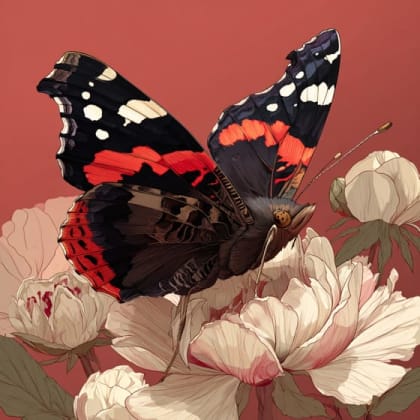
Pipevine Swallowtail

San Francisco Botanical Garden offers a vibrant escape into the world of plants.
San Francisco Botanical Garden offers a vibrant escape into the world of plants. This 55-acre oasis within Golden Gate Park showcases a remarkable collection of nearly 9,000 different plant species from around the globe, thriving in San Francisco's unique climate. It's a living museum where horticulture meets exploration, inviting visitors to wander through diverse landscapes and discover botanical treasures.
The garden is renowned for its specialized collections, including three magnificent Cloud Forests (Mesoamerican, Andean, and Southeast Asian) that transport you to misty, biodiverse regions. Don't miss the dramatic displays of the Magnolias in late winter and early spring, the towering Redwoods in the California Native Garden, or the sensory delights of the Garden of Fragrance, designed with aromatic plants. The serene Moon Viewing Garden offers a tranquil Japanese-inspired escape, while the Ancient Plant Garden takes you back in time to the flora of the dinosaur era.
Visiting the San Francisco Botanical Garden is an enriching experience for all ages, offering peaceful strolls, educational insights, and countless photographic opportunities. It’s a place to reconnect with nature, learn about global plant diversity, and find a quiet respite amidst the bustling city. The garden’s commitment to accessibility and its ever-changing seasonal blooms ensure there's always something new and memorable to discover. Take the ultimate field guide with you: use the Snappit app to identify birds, plants, and animals on your trip.
The vision for the San Francisco Botanical Garden, originally known as Strybing Arboretum, began in the 1880s with park supervisor John McLaren. However, due to insufficient funding, construction was delayed for decades. The project gained significant momentum in 1927 when Helene Strybing left a substantial bequest to support its creation. Planting officially commenced in 1937, aided by funds from the Works Progress Administration (WPA) and local donations. The Arboretum then officially opened its doors to the public in May 1940. Over the years, the gardens have continuously evolved, with notable additions including the Moon Viewing Garden and a horticultural library in the 1970s, a Mediterranean Forest, and the groundbreaking Southeast Asian Cloud Forest in the 2000s, which was the first of its kind globally. Today, the garden is managed through a public-private partnership between the San Francisco Recreation & Park Department and the San Francisco Botanical Garden Society, established in 1955.
Take a self-guided tour with a map picked up at the entrance, or download the interactive map.
* Join a free 90-minute docent-led tour to learn about the garden's highlights.
* Enjoy a picnic in designated areas like the Great Meadow, Conifer Lawn, or Fountain Plaza.
* Look for coyotes, which have been known to frequent Golden Gate Park.
* Visit the Garden Bookstore & Plant Shop near the main entrance.
The annual "Flower Piano" event in July features pianos placed throughout the gardens for public playing and scheduled performances.
Lightscape, an illuminated trail experience, comes to the garden during the winter season (November-January).
The San Francisco Botanical Garden is largely wheelchair-friendly.
* Accessible pathways are available throughout the garden, with many being well-paved or built with wooden planks.
* ADA-accessible restrooms are located near the Friend (North) Gate.
* Complimentary wheelchairs are available at both entrances on a first-come, first-served basis.
* Strollers are welcome on the garden paths.
* Handicap-accessible parking spots are available in the Bandshell All-Accessible Lot and along Martin Luther King Jr. Drive.
* Service animals are permitted.
California Native Garden with towering Redwoods.
Mesoamerican, Andean, and Southeast Asian Cloud Forests.
Moon Viewing Garden.
Garden of Fragrance.
Each card links to a full Explore page with photos, traits, and fun facts.
Start with the big picture, then zoom in to explore individual wildlife observations around this place.
Dress in Layers
San Francisco weather can be unpredictable, so wear comfortable shoes and bring layers of clothing to adjust to temperature changes throughout the day.
Grab a Map
Pick up a physical map at either entrance or download the interactive map to help you navigate the 55-acre garden and ensure you don't miss any key areas.
Consider a Docent Tour
Enhance your visit with a free 90-minute docent-led tour, available with admission, to gain deeper insights into the plant collections and garden history.
Pack a Picnic
Take advantage of the garden's policy allowing outside food and enjoy a leisurely picnic in picturesque spots like the Great Meadow or Fountain Plaza.
Utilize Free Entry Times
To save on admission costs and experience a quieter garden, aim to visit between 7:30 a.m. and 9 a.m. daily, or all day on the second Tuesday of each month.
Parking at Music Concourse Garage
While street parking can be limited, the nearby Music Concourse Garage offers a convenient and reliable option.
Jun 4, 2026
Jun 4, 2026
Jun 4, 2026
Jun 4, 2026
Jun 4, 2026

Maryland, US
You might spot White-Tailed Deer and Eastern Gray Squirrel.
View guide →
.jpg)
District of Columbia, US
You might spot Eastern Gray Squirrel, Duck, and House Sparrow.
View guide →

Illinois, US
You might spot American Robin, Canada Goose, and House Sparrow.
View guide →

Virginia, US
You might spot Spotted Lanternfly and Northern Cardinal.
View guide →
Take the discovery with you
Identify the wildlife you spot, learn as you go, and keep a collection of the adventure.