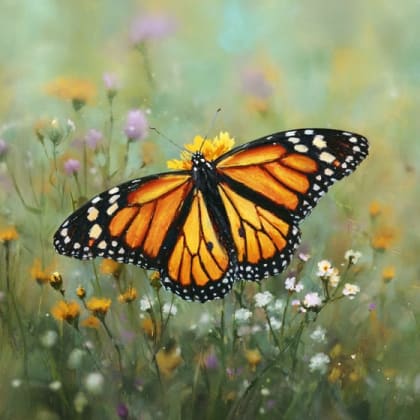





Monarch Butterfly

The United States Botanic Garden is a living plant museum at the foot of the U.
The United States Botanic Garden is a living plant museum at the foot of the U.S. Capitol. As the oldest continuously operating botanic garden in the United States, it offers a breathtaking journey through the plant kingdom, showcasing diverse flora from across the globe, all free to the public. This verdant oasis in the heart of Washington, D.C., is a testament to the aesthetic, cultural, economic, therapeutic, and ecological importance of plants to human life, inviting visitors of all ages to explore and connect with nature.
Inside the magnificent, glass-domed Conservatory, explore a variety of ecosystems, from the steamy, lush Tropical Rainforest with its captivating canopy walk to the arid beauty of the World Deserts exhibit, brimming with cacti and succulents. The Conservatory also features a vibrant Orchid House boasting over 5,000 rare and tropical species, a fascinating Medicinal Plants collection, and a crucial Rare and Endangered Plants exhibit. Outside, the three-acre National Garden celebrates Mid-Atlantic plants, offering delights like the aromatic Rose Garden, the serene First Ladies Water Garden, and the vibrant Pollinator Garden. Don't miss Bartholdi Park, which provides home gardening inspiration centered around the iconic Bartholdi Fountain. The garden is also home to the infamous Corpse Flower, which draws crowds when its rare, pungent bloom occurs.
Whether you're a seasoned horticulturist or a curious first-time visitor, the United States Botanic Garden provides a memorable experience. It stands as an urban sanctuary, offering a peaceful escape from the city's hustle and bustle while fostering a deeper appreciation for botanical knowledge and conservation. With its year-round beauty and engaging seasonal events like "Season's Greenings"—featuring plant-based models of D.C. landmarks—it's an enriching destination for learning, relaxation, and stunning photography. Eager to name that creature? Identify any animal you find during your visit using the Snappit app.
buffs
Discover the diversity of plant life from various ecosystems, learn about plant adaptations and their importance, enjoy the beauty of the gardens, and take personal photographs.
Spring/Early Summer: The outdoor gardens burst with color and fragrance.
Winter: The Conservatory is a warm, green haven. The "Season's Greenings" holiday show (late November to early January) is a popular attraction, featuring model trains and plant-based replicas of D.C. landmarks.
Summer: The gated outdoor gardens often have extended evening hours, and "Late at the Botanic Gardens" events may offer special evening access.
The U.S. Botanic Garden is fully ADA compliant, with accessible routes, ramps, and elevators (including to the Conservatory's canopy walk). Automatic doors facilitate movement between plant houses. Wheelchairs, including all-terrain options for outdoor areas, are available for loan with a valid ID. Visitor guides are offered in Braille, large print, and multiple languages, and sign language interpretation and assistive listening devices can be requested. Accessible restrooms are available, and limited designated accessible parking spots are located on Maryland Avenue.
Explore distinct habitats like the Tropical Rainforest (with its canopy walk), World Deserts, Orchid House, Medicinal Plants, and the Rare and Endangered Plants collection. Don't miss the Children's Garden for interactive fun.
Wander through the Regional Garden showcasing Mid-Atlantic native plants, including the Pollinator Garden and the elegant Rose Garden and First Ladies Water Garden.
Relax by the stunning Bartholdi Fountain and gather inspiration from the innovative plantings.
Look out for the rare Corpse Flower bloom (check the USBG website for alerts) and seasonal exhibits like "America's State Flowers" and "Fierce Flora" featuring carnivorous plants.
Each card links to a full Explore page with photos, traits, and fun facts.
Start with the big picture, then zoom in to explore individual wildlife observations around this place.
Visit early on weekdays
** To avoid crowds, especially during peak seasons or holidays, arrive shortly after opening or choose a weekday.
Wear comfortable shoes
The Garden is quite extensive, covering both indoor and outdoor areas, so comfortable footwear is recommended for exploring.
Respect the plants
Please stay on designated paths and walkways. Do not touch, pick, or collect any plants, seeds, or flowers to help preserve the collection for everyone.
Bring a camera
Personal photography and videography are encouraged, but posed photoshoots or commercial use are not permitted.
Consider public transportation
Parking near the Garden can be limited. The Federal Center SW Metro station (Blue/Orange/Silver lines) is conveniently located about three blocks away.
Check for special events
Before your visit, consult the USBG website for information on seasonal exhibits, public programs, or alerts regarding rare plant blooms like the Corpse Flower.
Pets are welcome in outdoor areas only
Leashed pets are permitted on paths in the outdoor gardens, but only trained service animals are allowed inside the Conservatory.
No on-site dining
There are no food services available directly within the Garden, but numerous dining options can be found nearby on the National Mall.
Jun 5, 2026
Jun 4, 2026
Jun 3, 2026
May 31, 2026
May 31, 2026

Maryland, US
You might spot White-Tailed Deer and Eastern Gray Squirrel.
View guide →
.jpg)
District of Columbia, US
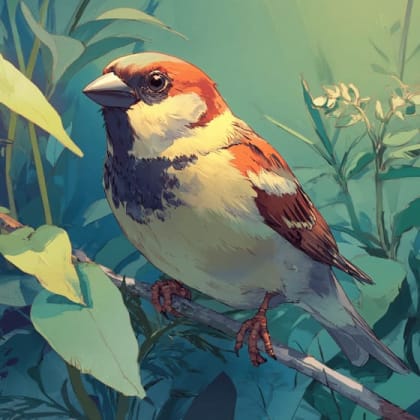
You might spot Eastern Gray Squirrel, Duck, and House Sparrow.
View guide →

Illinois, US
You might spot American Robin, Canada Goose, and House Sparrow.
View guide →

Virginia, US
You might spot Spotted Lanternfly and Northern Cardinal.
View guide →
Take the discovery with you
Identify the wildlife you spot, learn as you go, and keep a collection of the adventure.














.jpg&width=800)


