





Forster's Tern
Sterna forsteri
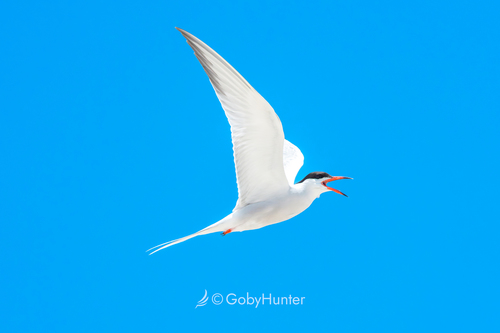
Forster's Tern is a beautiful bird that loves to dive into the water to catch fish. With its white body and black cap, it looks very elegant while flying over lakes and rivers.
Habitat: Coastal areas
The Forster's Tern has a sleek white body, pale grey wings, and a deeply forked tail. During breeding, it sports a striking black cap and a bright orange bill tipped with black, making it stand out from other terns.
Category
BirdsRarity
Common
Danger
1/5 · Very low
Snaps
14
Baby Forster's Terns are covered in fluffy camouflage down!
Its scientific name honors a famous explorer, Johann Forster!
Males catch fish to give to females as a special courtship gift!
They sometimes build nests on floating mats of plants!
Forster's Tern can plunge-dive headfirst into water because of its keen eyesight that helps them spot fish from above.
Forster's Tern has adapted to nesting in noisy colonies that helps them raise chicks safely from predators.
Forster's Tern can hover gracefully over the water, allowing them to precisely target small fish before diving.
These agile birds mostly eat small fish they catch by diving, sometimes enjoying shrimp and insects!
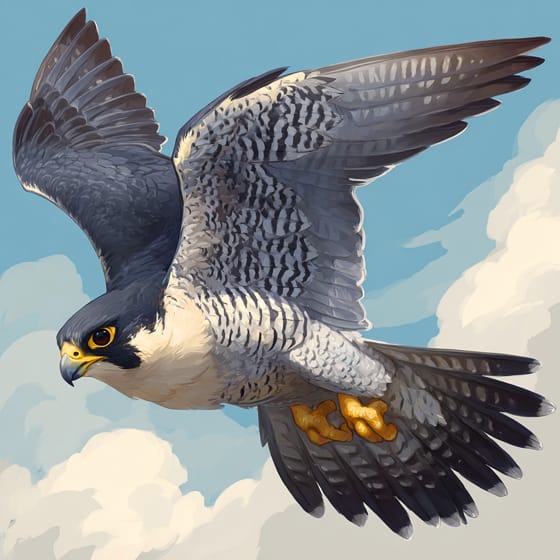
Falco peregrinus
Adults can be hunted by this swift predator.

Larus smithsonianus
Gulls often prey on eggs and chicks in nesting colonies.

Fundulus heteroclitus
A common small fish caught in shallow coastal waters.
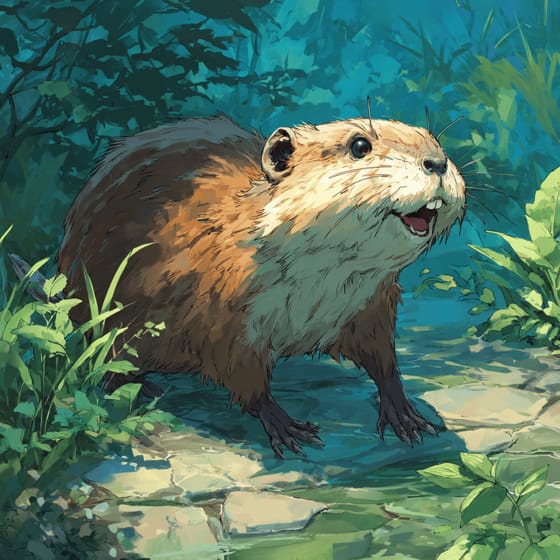
Ondatra zibethicus
Terns sometimes build nests on abandoned muskrat lodges.
Feathered describes animals, primarily birds, possessing a covering of feathers.
Characterized by having toes connected by a membrane, typically aiding in swimming.
Social animals live in organized groups, cooperating for survival benefits such as foraging, defense, and raising offspring.
Aerial creatures spend a significant portion of their lives airborne, utilizing flight for various activities such as hunting, migration, or nesting.

Piscivorous organisms are animals that primarily subsist on a diet of fish.

Coastal habitats are dynamic environments located along the interface between land and sea, influenced by tides, waves, and saltwater.

Diurnal animals are primarily active during daylight hours, typically resting or sleeping at night.

Migratory animals undertake seasonal movements from one region to another, typically in response to changes in climate or food availability.
No aliases listed yet.
Danger
1/5 · Very low
Always watch birds from a distance and do not disturb their nests.
The easiest way to identify Forster's Tern is to use the Snappit nature identifier app.
33-36 cm
70-79 cm
0.13-0.19 kg
10-15 years
48 km/h
These agile birds mostly eat small fish they catch by diving, sometimes enjoying shrimp and insects!
Coastal areas
Zoom in to split clusters and explore where this object has been snapped.
Jun 2, 2026
Stone Harbor Bird SanctuaryPhoto attribution
(c) GobyHunter, some rights reserved (CC BY)
License: CC BY 4.0 ↗
Image may be shown cropped inside the card frame.

California, US
You might spot Snowy Egret, Great Blue Heron, and Willet.
View guide →

US
You might spot Firewheel, Domestic Horse, and Atlantic Horseshoe Crab.
View guide →

California, US
You might spot American Avocet, Great Egret, and Snowy Egret.
View guide →

Michigan, US
You might spot Bald Eagle, American White Pelican, and Painted Turtle.
View guide →

California, US
You might spot Snowy Egret, Great Blue Heron, and Western Gull.
View guide →

California, US
You might spot Orca, Bottlenose Dolphin, and Beluga Whale.
View guide →
Take the discovery with you
Snap it with Snappit to identify it, learn what makes it special, and add the discovery to your collection.




.jpg&width=800)








