Snappit logo
Snappit
Get App
Turia Garden photo
ParkSpain, Spain

Turia Garden

The Turia Garden gives València a second, lower-level way of moving through the city.

About

The Turia Garden gives València a second, lower-level way of moving through the city. Roads and bridges stay above while garden paths, lawns and planted trees occupy the old riverbed. You can use it as a long cross-city walk, but its real pleasure is being able to choose a small stretch and settle into it.

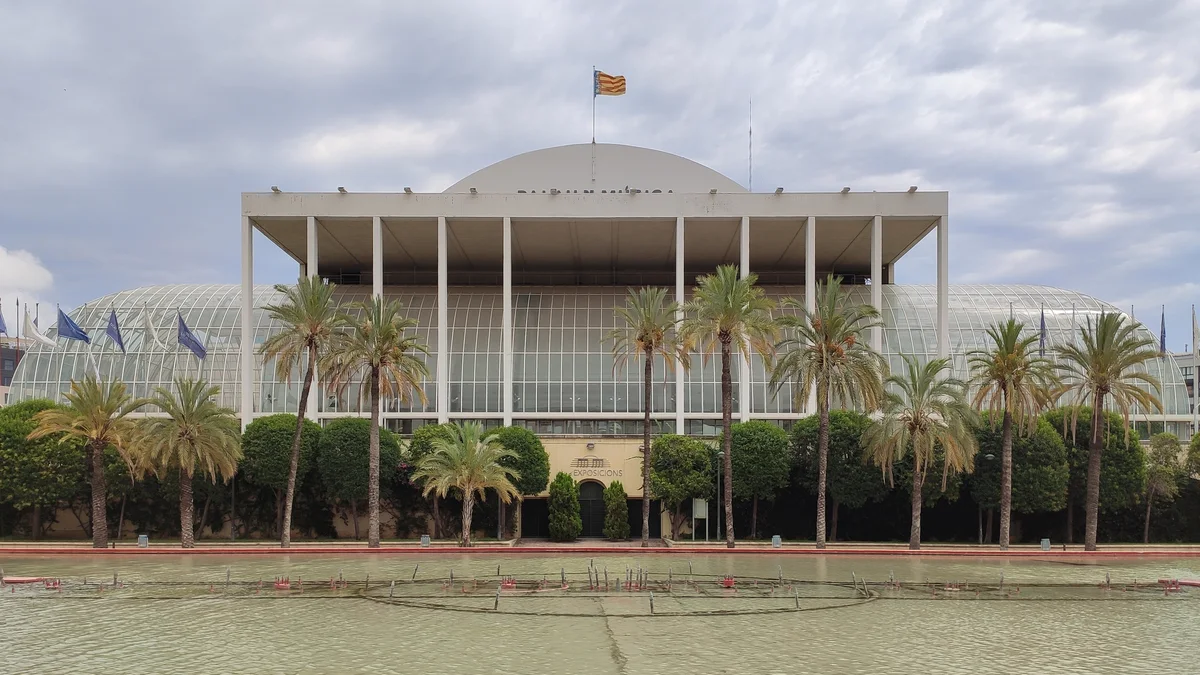
For a first family visit, start around the Palau de la Música. The formal layout, palms, pergolas and broad water feature give you plenty to notice before you have walked far. Look at how the planting frames the building, then choose whether to stay among the garden paths or continue towards the Puente del Ángel Custodio.

Beyond that bridge, the mood changes towards play. Gulliver turns a huge reclining figure into climbing routes and slides, with visitors taking the part of the tiny people in the story. It is a separate, gated play enclosure within the garden, so its opening hours and weather closures matter. A garden outing can still work without it, but check before promising the slides to a child.

The trees are worth a visit in their own right. Municipal records document cultivated olives, cypresses, white mulberries and glossy privets around the formal sections, with magnolias and pomegranates among the planting farther east. Use leaves, tree shapes and seasonal changes as a small discovery game. This is a designed city landscape: the ornamental pools and planting should not be mistaken for an untouched river habitat. Eager to name that creature? Identify any animal you find during your visit using the Snappit app.

The garden follows a riverbed that once carried the Turia through València. After the devastating flood of 14 October 1957, the river was diverted south of the city. The old course became the setting for a long public garden, inaugurated in 1986 and developed in distinct sections by different designers. That variety is still easy to read on a walk. The formal gardens near the Palau de la Música use geometry and planted structure, while Gulliver makes the landscape playful and theatrical. The council commissioned Gulliver in 1990 from architect Rafael Rivera, illustrator Sento Llobell and Fallas artist Manolo Martín. The bridges remain reminders that this green space was once a river crossing.

What to do here

Choose a short garden wander around the Palau, or link it with the Gulliver area and return the way you came. Pause for tree shapes, bridge views and reflections rather than trying to tick off the whole park. If everyone still wants to walk, the eastern garden offers a separate extension towards the exterior of the Palau de les Arts.

Seasonal info

Blossom, fruit and leaf cover vary with the season and weather. Summer sun can make open paths and play surfaces uncomfortable; winter brings less daylight and shorter Gulliver hours. Heavy rain and strong wind can close garden sections. Check the latest municipal advice, especially after storms, and stay out of any closed riverbed access.

Accessibility

The lower garden is largely level, but getting down from street level can be the difficult part. The official accessibility guide describes ramps of differing lengths and steepness, mixed paved and compacted-earth surfaces, isolated steps and incomplete tactile guidance. For the Palau–Gulliver plan, confirm a suitable entry ramp, exit and toilet before travelling. Reaching Gulliver’s enclosure does not make its climbing figure and slides wheelchair-accessible.

Don't miss

1

Formal planting and water beside the Palau de la Música

2

A walk below the bridges of the former riverbed

3

Gulliver’s imaginative climbing-and-sliding landscape, when open

4

A close look at contrasting Mediterranean and ornamental trees

Palm trees line the glass-fronted Palau de la Música behind an ornamental pool beneath a cloudy sky.

Palms and the ornamental pool beside the Palau de la Música in Turia Garden, photographed in August 2020.

Valencia - Palau de la Música 001.jpg — Américo Toledano / Wikimedia Commons / CC BY-SA 4.0 · Creative Commons

Walks and routes

Stay around the Palau gardens

Start on the garden level beside the Palau de la Música. Explore the paths around the broad water feature and pergolas, taking a closer look at the planting before returning to your entry point. Allow 30–45 minutes, with time to sit. This small-area wander suits a group that wants fresh air without a long destination walk.

Choose a ramp you can comfortably manage in both directions. Stay on the firmer, level paths; do not assume every shortcut through the formal garden avoids steps or uneven paving.

Stay around the Palau gardens

Palau to Gulliver and back

From the Palau gardens, follow the garden’s pedestrian paths east towards the Puente del Ángel Custodio. Continue into the Gulliver area, then retrace your route. Allow around 1½–2 hours for a relaxed outing with a short play stop. If the enclosure is closed, make the bridge your turning point or simply enjoy the surrounding garden where access is permitted.

The city lists approach ramps at the Ángel Custodio and Reino bridges. Check their suitability for your wheelchair or pushchair and plan the return climb. The large play figure contains stairs, slopes and slides; garden access is not a promise of access to every play element.

Palau to Gulliver and back

Gulliver towards the Palau de les Arts

For a separate longer garden walk, continue east beyond the Puente del Reino towards Monteolivete and the exterior of the Palau de les Arts, then return. Allow 60–90 minutes for the walk and looking stops, in addition to any play time. Choose this extension instead of trying to combine it with the full western garden. Visiting a museum, screening or performance needs its own time and arrangements.

Choose the garden paths and ramps that suit your group, with particular care at changes of paving and busy crossings. Check the outward and return route, including ramps and toilet stops, before choosing this extension for a wheelchair outing.

Gulliver towards the Palau de les Arts

An easy hour

Spend half an hour looking around the Palau gardens, then take a seated break and leave time to get back to street level. Add a few minutes of leaf-spotting if the group is still curious. This plan does not depend on a play enclosure or an indoor visit.

A flexible family morning

Begin with the Palau gardens, stroll to the Ángel Custodio bridge and decide whether to continue to Gulliver. Allow play and snack time, then return before the group is tired. If Gulliver is the priority, start there within its opening hours and make the garden walk the optional extra.

Things to try

Make a tree-shape collection

Pick three trees with different outlines. Sketch one crown, one leaf and one patch of bark without picking anything. Compare your drawings at the next bench; naming every tree is optional.

Notice what the water changes

Beside the Palau, look at the building directly and then at its reflection if the water is still. Notice where the view is framed by trees and where the garden opens up. If a feature is drained or being repaired, use the shape of its basin to read the design.

Look at a bridge from below

Choose a safe stopping place beside a pedestrian path and look at how a bridge crosses the garden. What clues show that a river once passed here? Compare the scale of the bridge with the people walking beneath it.

Give play its own time

If Gulliver is open, set aside a proper pause rather than squeezing in a slide while hurrying to the next landmark. Agree on a meeting point, supervise climbing and stop for water. Choose the quieter garden paths if the play space is too much for your group.

In storm conditions, postpone the garden

Move the walk to a calmer day when access has been confirmed. A scheduled indoor event at the Palau or a separately booked museum visit can be an alternative in ordinary rain, but check that venue’s notices too: severe weather can close indoor attractions and disrupt transport.

Wildlife and habitats

Olive

Look for narrow leaves with a paler, silvery underside. Compare the soft-looking crown with a nearby darker conifer without removing leaves.

The formal garden sections around the Palau de la Música.

Italian cypress

Look closely at the fine, scale-like foliage, then step back to compare the tree’s outline with nearby broad-leaved trees.

The formal garden sections around the Palau de la Música.

White mulberry

Notice the broad, toothed leaves and the spreading branches. In autumn, look for changes in leaf colour; in winter, compare the bare branching pattern.

The formal garden sections around the Palau de la Música.

Glossy privet

Look for shiny, pointed leaves arranged in opposite pairs. Observe any fruit from the path and leave it alone.

The formal garden sections around the Palau de la Música.

Southern magnolia

Look for broad, glossy evergreen leaves, often brown underneath. A fallen leaf can be studied where it lies; there is no need to pull one from the tree.

The eastern part of section XII, towards Monteolivete; this can be an optional extension beyond the main Gulliver stop.

Pomegranate

If fruit is present, look for the little crown-shaped tip. At other times, compare the branching shape and leaves with those of nearby trees.

The eastern part of section XII, towards Monteolivete; this can be an optional extension beyond the main Gulliver stop.

Look closely and leave things in place

These trees are documented as planted garden specimens. Flowering, fruit and individual tree condition can change, so use the suggestions as an invitation to look rather than a checklist to complete. If birds or insects appear, give them space and observe without feeding or handling them.

Stories and discoveries

The river moved; the crossings remained

The green corridor occupies the former riverbed after the Turia was diverted south following the 1957 flood. The bridges make that history visible while you walk below street level.

One garden, different design ideas

The formal Palau setting and the playful Gulliver area are neighbouring parts of a much longer garden. Looking at how the atmosphere changes between them is a good introduction to the park’s sectional design.

When to visit

Mild days: slow the walk down

Use a comfortable morning to linger over leaves, changing colour and the structure of the planting. Blossom dates vary, so let whatever is happening in the garden lead the visit rather than expecting a particular display.

Hot days: make it shorter

Bring water and sun protection, use shade for rests and avoid turning the outing into an endurance walk. Gulliver has a midday break in July and August; check the current timetable and play surfaces before starting.

Short days and unsettled weather

Plan around daylight and Gulliver’s shorter winter hours. During heavy rain or strong wind, use municipal warnings to decide whether to postpone. Do not use bridges or the old riverbed as shelter from a serious storm.

Getting there and practical advice

Garden admission and opening

The public garden is free and normally has no opening or closing time. There is no single main gate for this long city space. Weather restrictions, maintenance barriers and separately managed facilities can limit access, so check notices even for a simple walk.

Gulliver’s separate timetable

The current municipal listing gives 10:00–19:00 in March and October; 10:00–20:00 in April–June and September; 10:00–13:30 and 17:30–21:00 in July–August; and 10:00–17:30 in November–February. It closes for maintenance on the first Tuesday of each month, moving to Wednesday if that Tuesday is a public holiday, and closes when the figure is wet or a weather alert applies. Check special holiday arrangements and current status before going.

Toilets and a picnic stop

The city lists public toilets and a picnic area at the Gulliver facilities. The tourism accessibility information also identifies adapted toilets associated with the Palau café. Ask which facilities are open, whether an accessible cubicle is available and whether access depends on the building or enclosure being open. Plan these stops before starting a longer walk.

Rest, shade and drinking water

There are resting places and planted shade along the garden, with more open areas around water and play spaces. Carry your own drinking water. A decorative fountain is not a drinking point, and the operation of any particular fountain or kiosk can change.

Sensory support at Gulliver

The council announced Gulliver’s Autism Friendly certification in June 2025, with staff training, adapted signs, information materials and sensory kits. Contact the park to ask what is available for your visit. The programme does not remove the noise, movement and crowds of a popular play space.

Buildings have their own arrangements

The Palau de la Música is a working concert venue with its own programme and tickets. Farther east, the Museu de les Ciències, Hemisfèric and Oceanogràfic sell separate admissions. Looking at architecture from the garden does not include entry, and an indoor visit should be planned separately.

A useful number for Gulliver

The current municipal Gulliver listing gives +34 658 532 155 and [email protected]. Check the linked municipal page before using the contact details, particularly if the visit depends on play access, toilets or sensory support.

Aim for a landmark, then a ramp

For the recommended short visit, plan your arrival around the Palau de la Música on Passeig de l’Albereda. For a play-first visit, use Parque Gulliver and the Ángel Custodio or Reino bridge approaches. Check the descent to garden level as well as the street address, especially with a wheelchair or pushchair.

Use the current EMT journey planner

Enter your chosen landmark in EMT València’s route planner and check service notices for the day. The garden is long enough that a useful stop for one section may be a poor choice for another. If you plan a one-way walk, choose the return connection before setting off.

Street-to-garden access

The official tourism guide reports variable access ramps, some without handrails, and several surface types. Ask for a suitable ramp near your chosen destination rather than assuming the closest staircase has an equally convenient step-free alternative. Include the climb back to street level in your plan.

Moving around the garden

Much of the lower-level route is flat, but paving, compacted earth and occasional steps require attention. Cycle routes may run beside or share stretches with pedestrian movement, with visual rather than tactile separation. A companion may help with busy crossings and unfamiliar routes if you have low vision.

Garden access and play access are different

Confirm the approach to Gulliver and the toilets you need. The figure’s stairs, ramps and slides involve active climbing and descending, so choose suitable play elements individually. Ask staff about accessible and sensory-support options rather than relying on a whole-park label.

Sources and useful links

Wildlife you might spot

2

Each card links to a full Explore page with photos, traits, and fun facts.

Snap map for this place

Start with the big picture, then zoom in to explore individual wildlife observations around this place.

Loading map…

Good to know before you go

Choose your starting landmark before setting off. Searching for the whole Turia Garden can put you several kilometres from the section you want.

Check municipal weather notices and local barriers first. An open staircase elsewhere does not mean your chosen section is open.

Check Gulliver’s current status and seasonal timetable, including its monthly maintenance day, before making it the main reason for the visit.

Carry drinking water, sun protection and a snack. Do not rely on a particular café, drinking fountain or toilet being available throughout garden opening hours.

Wear shoes with grip. At Gulliver, supervise children, follow the posted play rules and check whether surfaces are wet or too hot.

Keep clear of marked cycle and running lanes. Pause for photos or plant identification on a pedestrian path where others can pass.

Look without collecting

leave flowers, leaves and fruit on the plants, and watch any birds or insects quietly without feeding or handling them.

Allow for the return journey. A one-way stroll followed by transport is a different plan from walking back, especially with tired children.

Frequently asked questions

No. This is the urban Jardín del Turia in València’s former riverbed. The Parque Natural del Turia is a separate protected river landscape upstream. Search for the Palau de la Música or Parque Gulliver when planning this visit.
The public garden has free access without an ordinary entry reservation. Gulliver is also free but has its own opening hours and closures. Concerts, organised activities and nearby attractions may need separate bookings.
No. The Palau gardens alone make a pleasant short visit. Add Gulliver if it is open and your group wants to play, or choose one of the longer walks described here. Turning back early is easy to build into the plan.
The garden has cycling routes as well as pedestrian and running spaces. Follow the current lane markings, slow down at crossings and busy areas, and leave the play enclosure out of a through-cycling route.
Plan to enjoy them from the paths. They are ornamental garden features, not a swimming stop. Keep children close at edges and avoid slippery wet paving.

The municipal Gulliver listing identifies public toilets and a picnic area. The tourism accessibility guide also lists toilets associated with the Palau and other facilities. Confirm opening and accessible-toilet arrangements before relying on them; cafés and buildings keep their own hours.

You can extend a walk to look at the architecture outside. Admission to the Museu de les Ciències, Hemisfèric and Oceanogràfic is separate. Bioparc, at the western end of the wider green corridor, is also a separate attraction and is outside this guide.
The main figure involves climbing, slopes and slides, so choose play areas according to each person’s ability and the posted rules. Staff can advise on the sensory supports introduced through its Autism Friendly programme. A quieter garden walk is a useful alternative if the play area feels too busy.

Recent snaps at this place

View all ›

Take the discovery with you

Exploring Turia Garden?

Identify the wildlife you spot, learn as you go, and keep a collection of the adventure.

  1. 1Spot it
  2. 2Snap it
  3. 3Keep the discovery