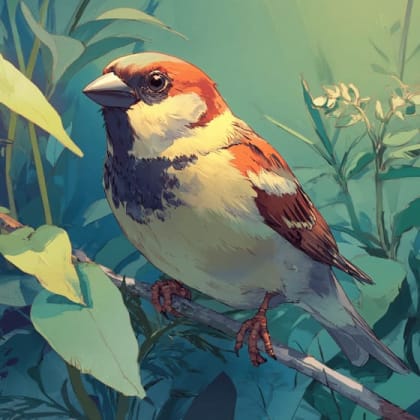
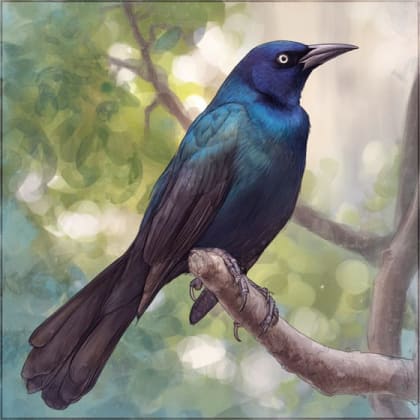
American Robin

Explore the engineering marvels of Appleton Locks 1-3, a captivating blend of history and natural beauty.
Explore the engineering marvels of Appleton Locks 1-3, a captivating blend of history and natural beauty. These historic navigation structures along the Lower Fox River offer a unique glimpse into Wisconsin's rich past and the ingenuity that shaped its commerce. Part of a larger system, these hand-operated locks provide a fascinating, interactive experience for visitors of all ages, allowing boats to traverse significant changes in river elevation.
The Appleton Locks 1-3 Historic District includes the three distinct locks (Lock 1, Lock 2, and Lock 3), along with a canal, a dam, three lockshacks, sheds, and lockkeepers' houses, all contributing to its National Register of Historic Places designation. Visitors can witness the intricate process of lock tenders manually operating the gates, guiding recreational boats through this historic waterway. Beyond the engineering, the locks are nestled within a scenic park environment, offering trails and opportunities for wildlife viewing along the Fox River.
This living history experience is a testament to the enduring legacy of the Fox River's navigational system, providing not just a historical lesson but also a chance to connect with the vibrant riverside ecosystem. Whether you're a history enthusiast, an engineering buff, or simply seeking a tranquil outdoor escape, Appleton Locks 1-3 promises a memorable visit where the past and present flow seamlessly together. Turn your visit into a safari! Use the Snappit app to scan and log wildlife sightings here.
The Fox River lock and dam system, which includes Appleton Locks 1-3, has a long and significant history. Envisioned as a vital transportation route, construction for the broader Fox-Wisconsin canal system began in 1846, two years before Wisconsin became a state. The goal was to connect the Great Lakes to the Mississippi River, bypassing natural hazards along the Fox River. While the initial development faced financial difficulties and went through various management changes, including federal purchase by the U.S. Army Corps of Engineers in 1872, the system was eventually completed and played a crucial role in regional commerce and the growth of industries like logging and paper manufacturing. After commercial shipping declined, the system saw a renaissance as a recreational waterway. In the 1990s, much of the Fox River system, including Appleton Locks 1-3, was listed on the National Register of Historic Places, recognizing its engineering and historical significance. Today, the Fox River Navigational System Authority manages and maintains the system, which features one of the nation's only hand-operated, fully restored lock systems.
Observe boats locking through the system.
* Walk or bike along the Fox River State Trail, which connects to the locks.
* Take a guided paddle tour through the locks for a unique perspective.
* Look for local wildlife, especially birds, along the riverbanks.
* Learn about the history of the Fox River's role in Wisconsin's development through interpretive signs.
Spring/Summer: Locks are operational, trails are green, and wildlife is active. Perfect for boating, walking, and photography.
Fall: Beautiful fall foliage along the river. Locks may operate on a more limited schedule in late fall.
Winter: Locks are typically closed for navigation. The area can be picturesque with snow, but access might be limited for some trails.
The area around the locks, being part of urban trails like the Fox Trot Trail and Newberry Trail, likely offers paved sections suitable for wheelchairs and strollers. Some trails in the Fox Cities are noted as accessible.
Witnessing the manual operation of the historic lock gates and chambers by lock tenders.
Explore the lockshacks, sheds, and lockkeepers' houses that are part of the historic district.
Enjoy scenic vistas of the Fox River and its riparian environment.
A self-guided, scenic 2-mile loop in downtown Appleton along the riverfront, highlighting historical points of interest.
Each card links to a full Explore page with photos, traits, and fun facts.
Start with the big picture, then zoom in to explore individual wildlife observations around this place.
Check the Fox River Navigational System Authority's website for the current lock operating schedule if you wish to see boats pass through.
Wear comfortable shoes suitable for walking, as you'll likely explore the trails surrounding the locks.
Bring binoculars for better wildlife viewing, especially for birds like eagles and herons along the river.
Consider combining your visit with a walk or bike ride on the Fox Trot Trail or Newberry Trail, which are easily accessible from the locks.
Pack water and snacks, especially if planning a longer walk or paddle.
If interested in a unique experience, look into guided kayak or paddle tours that go through the locks.
Jun 6, 2026
Jun 6, 2026
Jun 6, 2026
Jun 6, 2026
Jun 6, 2026

Maryland, US
You might spot White-Tailed Deer and Eastern Gray Squirrel.
View guide →
.jpg)
District of Columbia, US
You might spot Eastern Gray Squirrel, Duck, and House Sparrow.
View guide →

Illinois, US
You might spot American Robin, Canada Goose, and House Sparrow.
View guide →

Virginia, US
You might spot Spotted Lanternfly and Northern Cardinal.
View guide →
Take the discovery with you
Identify the wildlife you spot, learn as you go, and keep a collection of the adventure.