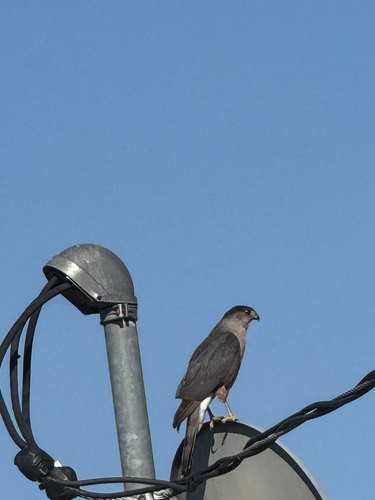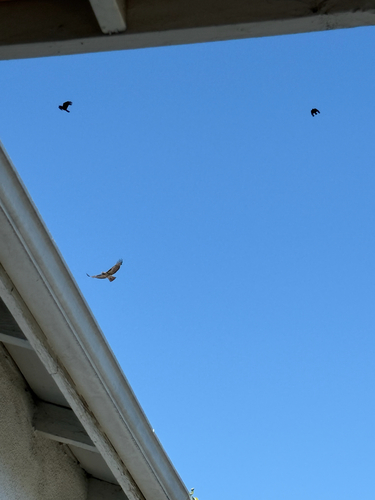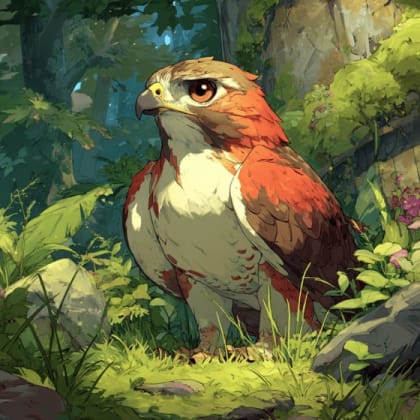





Red Tailed Hawk

Carroll Avenue is a living architectural museum showcasing Los Angeles' finest Victorian-era homes.
Carroll Avenue is a living architectural museum showcasing Los Angeles' finest Victorian-era homes. This charming street, nestled in the Angelino Heights neighborhood, transports visitors back to the late 19th century with its remarkably preserved and ornate residences. The 1300 block, in particular, boasts the highest concentration of Victorian houses in the city, designated as a Historic District on the National Register of Historic Places.
Strolling along Carroll Avenue reveals a stunning array of architectural styles, primarily Queen Anne and Eastlake, characterized by intricate wooden details, turrets, stained glass, and decorative facades. Beyond their historical beauty, many of these homes are also pop culture icons, having served as backdrops for countless films, TV shows, and music videos, including the famous "Charmed" house and the residence featured in Michael Jackson's "Thriller."
A visit to Carroll Avenue is a captivating journey through early Los Angeles history, offering a unique glimpse into the city's past before the dawn of Hollywood. It’s an ideal destination for history buffs, architecture enthusiasts, and anyone looking for a picturesque and memorable experience, feeling as though you've stepped directly onto a movie set. Turn your visit into a safari! Use the Snappit app to scan and log wildlife sightings here.
Carroll Avenue's history dates back to the late 1800s when Angelino Heights was established as one of Los Angeles' first exclusive residential districts. Wealthy businessmen, drawn by the scenic views and tranquil suburban life, built their magnificent Victorian manors here starting around 1887. The street is named after Carroll Archibald Stilson, son of William Wallace Stilson, co-owner of the original Angelino Heights tract. While the neighborhood thrived initially, it later faced periods of decline as residents moved to newer areas, and portions were even impacted by freeway construction. However, dedicated preservation efforts began in the 1960s and 70s, with individuals buying and restoring the historic Victorians. In 1976, the 1300 block of Carroll Avenue was listed on the National Register of Historic Places, and in 1983, Angelino Heights became Los Angeles' first Historic Preservation Overlay Zone (HPOZ), ensuring the ongoing protection and authentic restoration of these invaluable architectural treasures.
Admire the diverse Victorian architectural styles, including Queen Anne, Eastlake, and Italianate.
* Identify famous filming locations, such as the "Charmed" house (1329 Carroll Avenue), the "Thriller" house (1345 Carroll Avenue), and the "Mad Men" house (1355 Carroll Avenue).
* Notice the preserved historical details like hitching posts and period lampposts, which contribute to the street's old-world charm.
* Enjoy the panoramic views of downtown Los Angeles from certain vantage points in the neighborhood.
Los Angeles generally has mild weather, making Carroll Avenue enjoyable year-round. Summers can be hot, so plan for earlier or later visits during those months. The historic homes, especially with their ornate details, look beautiful against clear skies.
Carroll Avenue is a public street with sidewalks, making it generally accessible for walking. However, the Angelino Heights neighborhood itself is hilly, which may present challenges for some visitors.
The primary highlight is the collection of Victorian homes themselves, particularly along the 1300 block. Look for the distinct Queen Anne and Eastlake architectural styles. Seek out the homes famous for their appearances in film and television.
Each card links to a full Explore page with photos, traits, and fun facts.
Start with the big picture, then zoom in to explore individual wildlife observations around this place.
Respect privacy
** Remember these are private homes. Do not trespass, stare into windows, or disturb residents.
Bring a camera
The architectural details and cinematic connections make for excellent photo opportunities.
Wear comfortable shoes
Exploring the street and the surrounding hilly neighborhood involves walking.
Look for historical markers
Many homes have plaques detailing their history and architectural significance.
Consider a self-guided walking tour
Maps and information are often available online or through local tourism resources to help identify specific houses.
Parking is generally available
As it's a residential neighborhood, street parking is usually available, but be mindful of any parking restrictions.
Jun 5, 2026
Photo attribution
no rights reserved
License: CC0 1.0 ↗
Image may be shown cropped inside the card frame.
Jun 4, 2026
Photo attribution
(c) Malena Lacque, some rights reserved (CC BY)
License: CC BY 4.0 ↗
Image may be shown cropped inside the card frame.
Jun 3, 2026
Photo attribution
(c) Malena Lacque, some rights reserved (CC BY)
License: CC BY 4.0 ↗
Image may be shown cropped inside the card frame.
Jun 7, 2026
Jun 7, 2026

Maryland, US
You might spot White-Tailed Deer and Eastern Gray Squirrel.
View guide →
.jpg)
District of Columbia, US
You might spot Eastern Gray Squirrel, Duck, and House Sparrow.
View guide →

Illinois, US
You might spot American Robin, Canada Goose, and House Sparrow.
View guide →

Virginia, US
You might spot Spotted Lanternfly and Northern Cardinal.
View guide →
Take the discovery with you
Identify the wildlife you spot, learn as you go, and keep a collection of the adventure.