





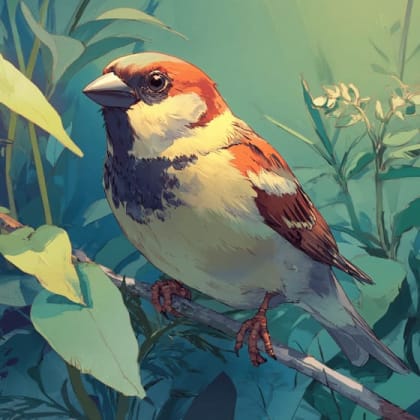
American Robin

The Doyle Avenue Historic District offers a charming glimpse into Providence's rich architectural past.
The Doyle Avenue Historic District offers a charming glimpse into Providence's rich architectural past.
This residential historic district, located in Providence, Rhode Island, is a captivating outdoor museum showcasing a diverse array of 19th and early 20th-century architectural styles. It provides a unique opportunity to wander through a neighborhood frozen in time, reflecting the urban development and lives of its working and middle-class inhabitants. Designated on the National Register of Historic Places, the district is a testament to Providence's heritage and the enduring beauty of its historic streetscapes.
Visitors can admire the distinctive features of Italianate, Second Empire, and Queen Anne style buildings, often set on modest lots with characteristic setbacks from the sidewalk. Notable structures include the former residence of musician D.W. Reeves at 76 Doyle Avenue, a charming Second Empire-style cottage, and the circa 1875 Thomas Collins House, an Italianate duplex at 33 Doyle Avenue. The district's collection of two-and-a-half and three-story wood-frame multi-family residences provides a cohesive and visually appealing representation of Southern New England's urban dwellings from that era.
A visit to the Doyle Avenue Historic District is an immersive historical experience, offering a tranquil escape into a bygone era. It's a place where history buffs, architectural enthusiasts, and photographers can appreciate the intricate details of Victorian design and the collective narrative etched into each facade. The district's well-preserved character and the stories held within its buildings make it a memorable destination for anyone seeking to connect with Providence's past. Explore the grounds like a pro—download the Snappit app to instantly identify animals and plants.
buffs * Photography * Urban explorers and walkers
Embark on a self-guided architectural walking tour, photograph the diverse Victorian-era facades, and imagine daily life in Providence during the late 19th and early 20th centuries.
Spring brings blossoming trees and gardens; summer offers lush greenery providing shade; fall showcases beautiful New England foliage. Winter can be picturesque with snow, but sidewalks may be icy.
As a residential street, the district features sidewalks suitable for walking. Visitors with mobility concerns should be aware that some sidewalks may have uneven surfaces typical of older urban areas. Most historic homes are private residences and not publicly accessible.
The collection of Italianate, Second Empire, and Queen Anne style homes; the Second Empire-style cottage at 76 Doyle Avenue (D.W. Reeves' former residence); the Italianate duplex at 33 Doyle Avenue (Thomas Collins House); and the overall cohesive streetscapes showcasing 19th-century urban residential planning.
Each card links to a full Explore page with photos, traits, and fun facts.
Start with the big picture, then zoom in to explore individual wildlife observations around this place.
Wear comfortable walking shoes
Exploring the district involves walking along sidewalks, so comfortable footwear is essential.
Bring a camera
The diverse architectural styles and well-preserved streetscapes offer excellent photographic opportunities.
Respect private property
Remember that the district is a residential area, so be mindful of residents' privacy.
Combine with College Hill
The district is located just north of the College Hill Historic District, making it easy to visit both for an extended historical exploration.
Look for unique details
Pay attention to decorative elements like bay windows, ornate porches, and intricate cornices that characterize the Victorian homes.
Visit on a clear day
Natural light best illuminates the architectural details and makes for more enjoyable walking.
Jun 6, 2026
Jun 6, 2026
Jun 6, 2026
Jun 5, 2026
Jun 5, 2026

Maryland, US
You might spot White-Tailed Deer and Eastern Gray Squirrel.
View guide →
.jpg)
District of Columbia, US
You might spot Eastern Gray Squirrel, Duck, and House Sparrow.
View guide →

Illinois, US
You might spot American Robin, Canada Goose, and House Sparrow.
View guide →

Virginia, US
You might spot Spotted Lanternfly and Northern Cardinal.
View guide →
Take the discovery with you
Identify the wildlife you spot, learn as you go, and keep a collection of the adventure.






















.jpg&width=800)


