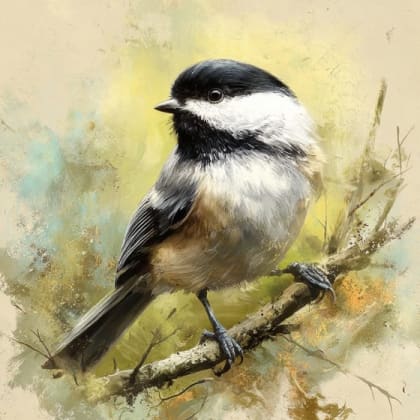





Black Capped Chickadee

The Ipswich River Wildlife Sanctuary is a natural gem for exploration and wildlife discovery.
The Ipswich River Wildlife Sanctuary is a natural gem for exploration and wildlife discovery.
Spanning nearly 2,000 acres across Topsfield and Wenham, Massachusetts, this Mass Audubon sanctuary is a haven of diverse ecosystems, including ancient forests, open meadows, serene wetlands, and the meandering Ipswich River. Its landscape, uniquely shaped by glacial activity over 15,000 years ago, features distinctive drumlins and eskers, offering both scientific interest and scenic beauty. It stands out as one of Mass Audubon's largest and most ecologically rich properties, providing critical habitat for a vast array of flora and fauna.
Visitors can explore 12 miles of interconnected trails, including the popular Rockery Trail, which leads to a historic grotto and features exotic trees from a century-old arboretum. The Stone Bridge offers picturesque views of Waterfowl Pond, where beaver lodges, painted turtles, and water lilies can be observed. Birdwatchers will delight in spotting species like the Great Blue Heron, Wood Duck, Black-capped Chickadee, and Red-eyed Vireo, while fortunate visitors might catch a glimpse of river otters or muskrats.
Whether you seek a peaceful hike, an immersive birding experience, or a family adventure, the Ipswich River Wildlife Sanctuary offers memorable encounters with nature. The opportunity to canoe along 8 miles of the river provides a unique perspective of its habitats, and during winter, hand-feeding chickadees and nuthatches adds a truly personal touch to your visit. With its blend of natural splendor, historical charm, and educational programs, the sanctuary promises a rewarding experience for all ages. Wondering what that bird or insect is? Find out on your visit using the Snappit nature app.
The Ipswich River Wildlife Sanctuary's origins trace back to the extensive estate of Thomas Emerson Proctor, who began acquiring land in Topsfield in the late 1890s. Proctor, a passionate horticulturalist, collaborated with experts to establish a private arboretum on his property, introducing thousands of exotic trees and shrubs. He also commissioned the construction of the elaborate Rockery, a grotto featuring massive boulders, by Italian laborers under the guidance of a Japanese landscape architect around 1905. Following Proctor's death in 1949, the Massachusetts Audubon Society purchased nearly 2,000 acres of his estate in 1951. Initially named the "Proctor Wildlife Sanctuary and Annie H. Brown Reservation" to honor both Proctor's legacy and a significant donation from Annie H. Brown, it eventually became known as the Ipswich River Wildlife Sanctuary. The sanctuary's visitor center is housed in the historic Bradstreet farmhouse, which dates back to 1763, further connecting visitors to the area's rich past.
Hike the various trails, go birdwatching (over 200 species recorded), rent a canoe (members only) to paddle the Ipswich River, try nature photography, engage in educational programs, visit the nature center, and, in winter, hand-feed chickadees and nuthatches.
Spring: Witness the chorus of American toads and spring peepers, search for migrating warblers, and observe wetland wildflowers. Maple sugaring tours may be available in March.
Summer: Look for American Goldfinches, Baltimore Orioles, and fireflies. Wetland wildflowers are in bloom.
Fall: Enjoy the vibrant autumn foliage, spot late-migrating warblers, vireos, and hawks, and observe American Woodcock courtship displays in the fields.
Winter: Opportunities for wildlife tracking, owl prowls, and the chance to hand-feed chickadees and white-breasted nuthatches near the South Esker Trail.
The Nature Center, restrooms, barn, and visitor center are universally accessible. A rollator is available for reservation. Nearby Cedar Pond, managed by Ipswich River staff, features an ADA-compliant "All Persons Trail" with a post-and-rope guiding system.
Explore the historic Rockery and its grotto, traverse the Stone Bridge over Waterfowl Pond to look for beavers and turtles, and discover the unique glacial landforms of drumlins and eskers. Don't miss the diverse habitats along the 12 miles of trails and the opportunity to paddle the Ipswich River.
Each card links to a full Explore page with photos, traits, and fun facts.
Start with the big picture, then zoom in to explore individual wildlife observations around this place.
Dress in layers and wear comfortable, sturdy shoes** suitable for various trail conditions, especially if planning a longer hike.
**Bring binoculars and a field guide** to enhance your birdwatching and wildlife spotting experiences.
Visit in winter for a unique encounter
Head to the area near the South Esker Trail with birdseed for the chance to hand-feed Black-capped Chickadees and White-breasted Nuthatches.
Consider a canoe rental (members only)
Exploring the Ipswich River by canoe offers a different perspective and access to unique wildlife viewing opportunities.
Check the Visitor Center
Pick up trail maps, bird checklists, or scavenger hunt cards to make your visit more engaging.
Be mindful of seasonal events
The sanctuary hosts numerous programs throughout the year, from maple sugaring in spring to owl prowls in winter. Check their website for current offerings.
Jun 6, 2026
Jun 6, 2026
Jun 6, 2026
Jun 6, 2026
Jun 6, 2026

Maryland, US
You might spot White-Tailed Deer and Eastern Gray Squirrel.
View guide →
.jpg)
District of Columbia, US
You might spot Eastern Gray Squirrel, Duck, and House Sparrow.
View guide →

Illinois, US
You might spot American Robin, Canada Goose, and House Sparrow.
View guide →

Virginia, US
You might spot Spotted Lanternfly and Northern Cardinal.
View guide →
Take the discovery with you
Identify the wildlife you spot, learn as you go, and keep a collection of the adventure.














.jpg&width=800)