Eastern Gray Squirrel

Marsh Botanical Garden offers a vibrant connection to the natural world in Connecticut.
Marsh Botanical Garden offers a vibrant connection to the natural world in Connecticut. This 8-acre botanical garden and arboretum, affiliated with Yale University, serves as a living museum for plants from around the globe, blending scientific study with public enjoyment. It's a sanctuary where visitors can explore a stunning diversity of flora, from native woodland species to exotic tropical and desert dwellers, making it a unique destination for plant enthusiasts and curious minds alike.
The garden boasts impressive outdoor collections, including a magnificent 300-year-old White Oak and a dedicated Magnolia Collection featuring several native species. Step into the six greenhouses to discover a captivating world of tropical, carnivorous, and desert plants, along with a diverse orchid collection. Outside, the Pollinator Garden buzzes with life, while the Wetland Habitat showcases native ferns and sedges, highlighting the beauty and ecological importance of these ecosystems.
Marsh Botanical Garden is a place of continuous discovery, offering both serene natural landscapes and meticulously curated collections. Whether you're drawn to the vibrant seasonal wildflower displays, the unique "living fossil" Dawn Redwood, or the fascinating indoor exhibits, it promises an enriching and inspiring experience. It's an ideal spot to deepen your appreciation for plant life, enjoy a peaceful stroll, and capture the beauty of botanical diversity. Don't forget to bring the Snappit nature identification app along to scan local species.
The Marsh Botanical Garden was established in 1899 by the renowned Yale paleontologist Professor Othniel C. Marsh. Upon his passing, Professor Marsh bequeathed his estate, including his home and plant collections, to Yale University with the stipulation that the grounds be used as a botanical garden. During the 1920s and 1930s, the garden's landscape was significantly shaped by the visionary design of celebrated landscape architect Beatrix Farrand. Her plans included systematic plantings and a formal garden, which helped elevate the garden to its peak popularity in the mid-20th century. Though parts of its original design have evolved over time, ongoing restoration efforts aim to honor Farrand's legacy and ensure the garden remains a vital resource for research, education, and public engagement.
Stroll through the themed outdoor gardens, such as the Meadow Garden and Pollinator Garden.
* Explore the six greenhouses to discover a wide array of tropical, desert, and rare plants.
* Admire the historic Marsh Hall, once the home of Othniel C. Marsh.
* Take a self-guided tour to learn about specific plant collections and their ecological significance.
Weather: Connecticut experiences distinct seasons. Dress accordingly for outdoor exploration.
Animal Activity: Butterflies and birds are more active in spring and summer, particularly in the Pollinator Garden and wildflower areas.
Seasonal Events: Check the garden's website for any public programs, workshops, or seasonal events.
Visitors are welcome to explore the gardens. While specific accessibility details are not extensively listed, botanical gardens generally strive to provide accessible pathways. The garden is undergoing renovations and restorations, which may include accessibility improvements.
The 300-year-old White Oak, the diverse Magnolia Collection, the captivating Carnivorous Plant exhibit, the unique Desert House with cacti and "living stones," the vibrant Orchid Collection, and the "living fossil" Dawn Redwood tree.
Each card links to a full Explore page with photos, traits, and fun facts.
Start with the big picture, then zoom in to explore individual wildlife observations around this place.
Prioritize the Greenhouses in Colder Months: If visiting during fall or winter, spend ample time in the heated greenhouses to experience the tropical, desert, and orchid collections, which offer a warm escape.
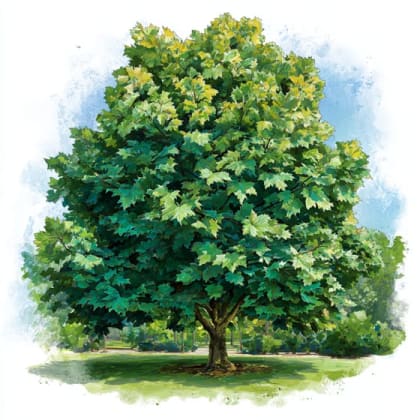
Look for the Historic White Oak
Don't miss the impressive 300-year-old White Oak, a centerpiece of the Oak Collection, located outdoors.
Explore Seasonally
Each season offers unique beauty. Visit in spring for blooms, summer for wildflowers and pollinators, and fall for stunning foliage.
Inquire About Guided Tours
While self-guided tours are welcome, groups can arrange guided tours to gain deeper insights into the collections and history.
Utilize On-Site Parking
Parking spaces are available in a designated area next to the garden's entrance, making access convenient.
Check for Renovations
The garden is undergoing renovations. While visitors are welcome, be aware that some areas might be temporarily impacted.
Jun 4, 2026
Photo attribution
no rights reserved
License: CC0 1.0 ↗
Image may be shown cropped inside the card frame.
Jun 4, 2026
Photo attribution
no rights reserved
License: CC0 1.0 ↗
Image may be shown cropped inside the card frame.
Jun 3, 2026
Photo attribution
(c) Michael K. Oliver, Ph.D., some rights reserved (CC BY)
License: CC BY 4.0 ↗
Image may be shown cropped inside the card frame.
May 12, 2026
Photo attribution
(c) Kristof Zyskowski, some rights reserved (CC BY)
License: CC BY 4.0 ↗
Image may be shown cropped inside the card frame.
Jun 6, 2026

Maryland, US
You might spot White-Tailed Deer and Eastern Gray Squirrel.
View guide →
.jpg)
District of Columbia, US
You might spot Eastern Gray Squirrel, Duck, and House Sparrow.
View guide →

Illinois, US
You might spot American Robin, Canada Goose, and House Sparrow.
View guide →

Virginia, US
You might spot Spotted Lanternfly and Northern Cardinal.
View guide →
Take the discovery with you
Identify the wildlife you spot, learn as you go, and keep a collection of the adventure.