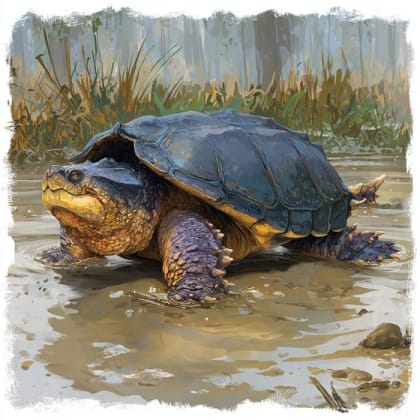
Duck

Explore a fascinating industrial heritage site in East Providence, Rhode Island.
Explore a fascinating industrial heritage site in East Providence, Rhode Island. The Rumford Chemical Works and Mill House Historic District preserves the remnants of a pioneering chemical plant that significantly impacted American households. This district offers a unique glimpse into the 19th-century industrial landscape and the community that flourished around the production of world-renowned Rumford Baking Powder.
The district features a collection of well-preserved historic structures, including the prominent three-story brick warehouse built in 1895 and several earlier wood-frame industrial buildings along Newman and Greenwood Avenues. Visitors can also observe worker housing duplexes on North Broadway, which illustrate the daily lives of the factory employees. These buildings showcase distinctive architectural styles, including Queen Anne elements, integrated within a functional industrial setting. Today, parts of the former chemical works have been adaptively reused, now housing local businesses and residential spaces within what is known as the Rumford Center.
A visit to this historic district provides a tangible connection to America's industrial past, detailing the innovation behind baking powder and its far-reaching influence. It's a memorable destination for anyone interested in industrial history, urban development, and architectural preservation, offering insights into a self-contained mill community. Eager to name that creature? Identify any animal you find during your visit using the Snappit app.
The Rumford Chemical Works was founded in 1854 by Eben Horsford, a Harvard chemistry professor, and George F. Wilson, an entrepreneur. Initially, the company manufactured calcium sulfite, but it soon shifted its focus to producing "pulverulent phosphoric acid," a key ingredient for baking powder. In 1856, the business relocated to Seekonk, Massachusetts (an area later incorporated into East Providence, Rhode Island), and was renamed the Rumford Chemical Works in honor of Count Rumford, for whom Horsford's Harvard chair was named. The company became a major producer of Rumford Baking Powder, expanding to own approximately 600 acres that included factories, farmland, and mill houses for its employees. Although the company changed hands multiple times, with baking powder production eventually moving to Terre Haute, Indiana, in 1966, many of the original buildings on Newman and Greenwood Avenues still stand. The district was officially recognized for its historical significance and listed on the National Register of Historic Places in 1980.
Take a self-guided architectural tour, photograph the historic structures, and imagine life in a 19th-century industrial town. Consider visiting the local businesses within the repurposed Rumford Center.
Fall offers scenic views with changing foliage. There are no specific animal activities to note, as this is primarily a historical and architectural site.
The district is partially accessible to the public, particularly for viewing building exteriors along Newman Avenue and North Broadway. Sidewalks and paved areas facilitate walking. Accessibility for individual businesses within the repurposed buildings will vary.
A prominent example of the industrial architecture of the chemical works.
Explore the area around the Rumford Post Office to see one of the earliest factory structures.
Observe the residential buildings along North Broadway that housed the factory employees.
Discover how former factory buildings have been adaptively reused to house modern businesses and apartments.
Each card links to a full Explore page with photos, traits, and fun facts.
Start with the big picture, then zoom in to explore individual wildlife observations around this place.
Wear comfortable walking shoes to explore the district's streets and pathways thoroughly.
Bring a camera to capture the unique industrial architecture and historical details.
Plan to spend some time exploring the shops or eateries within the repurposed Rumford Center for a modern experience intertwined with history.
Be mindful and respectful that many buildings are now private residences or active businesses.
Look for historical markers or plaques that might provide additional context about specific structures.
Consider combining your visit with other historical sites in East Providence, such as the John Hunt House, which houses the East Providence Historical Society.
Jun 6, 2026
Jun 6, 2026
Jun 6, 2026
Jun 6, 2026
Jun 6, 2026

Maryland, US
You might spot White-Tailed Deer and Eastern Gray Squirrel.
View guide →
.jpg)
District of Columbia, US
You might spot Eastern Gray Squirrel, Duck, and House Sparrow.
View guide →

Illinois, US
You might spot American Robin, Canada Goose, and House Sparrow.
View guide →

Virginia, US
You might spot Spotted Lanternfly and Northern Cardinal.
View guide →
Take the discovery with you
Identify the wildlife you spot, learn as you go, and keep a collection of the adventure.




















.jpg&width=800)