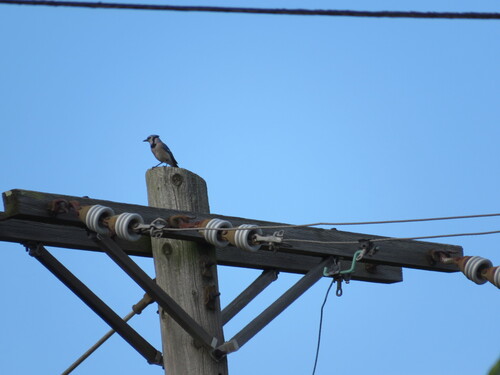
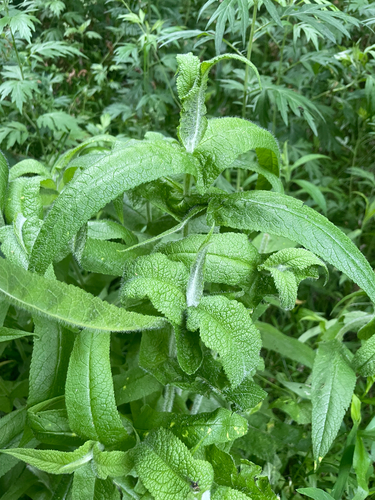
Bee

Schenley Farms Historic District showcases Pittsburgh's rich architectural heritage and urban planning vision.
Schenley Farms Historic District showcases Pittsburgh's rich architectural heritage and urban planning vision. This distinguished district, nestled in the Oakland section of Pittsburgh, is renowned for its magnificent late 19th and early 20th-century revival architecture, forming a significant portion of the University of Pittsburgh's campus. It stands as a testament to the "City Beautiful" movement, emphasizing grand civic buildings and planned residential developments, earning its place on the National Register of Historic Places.
Visitors can marvel at a diverse collection of 154 contributing buildings, including 31 cultural and institutional structures alongside 123 stately residences. Architectural styles range from Beaux-Arts, Gothic Revival, and Renaissance Revival to Craftsman and Eclectic bungalows, all contributing to a visually cohesive and historically significant streetscape. The district seamlessly blends academic life with residential charm, offering picturesque avenues for exploration.
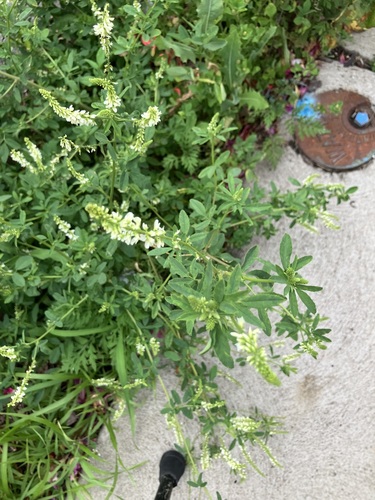
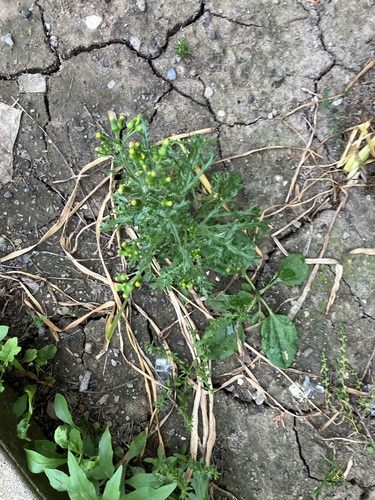
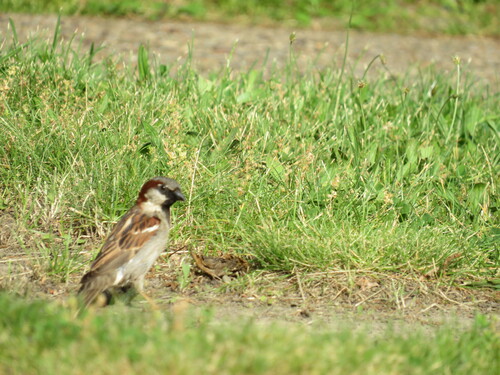
A visit to Schenley Farms Historic District is an immersion into a living museum of architectural grandeur and historical urban design. It provides a unique opportunity to experience a bygone era through its meticulously preserved buildings and thoughtful planning. The district's proximity to world-class cultural institutions and academic landmarks, coupled with its walkable, tree-lined streets, makes it a memorable destination for anyone seeking to appreciate Pittsburgh's storied past and architectural prowess. Don't forget to bring the Snappit nature identification app along to scan local species.
Buffs:** Offers a deep dive into Pittsburgh's development and the "City Beautiful" movement. * **Students and Academics:** Home to a significant portion of the University of Pittsburgh and its iconic structures. * **Photographers:** Provides abundant opportunities for capturing stunning historical buildings and picturesque streetscapes. * **Walkers and Explorers:** Enjoyable for leisurely strolls through a beautiful, well-preserved neighborhood.
Take a self-guided walking tour to admire the diverse architectural styles of the contributing buildings. Explore the University of Pittsburgh campus, particularly the Commons Room and Nationality Rooms inside the Cathedral of Learning. Visit the Carnegie Museums of Pittsburgh, located within the district's boundaries. Enjoy a stroll along the wide, tree-lined streets.
Spring/Fall: Enjoy comfortable temperatures and stunning natural beauty with blooming trees and vibrant autumn colors.
Summer: The trees provide ample shade, making it pleasant for walking, though it can be warmer.
Winter: The architecture can look particularly striking against a snowy backdrop, but be prepared for colder temperatures.
While specific accessibility details for every building within the historic district are not universally available, the Schenley Park Visitor Center, adjacent to the district, offers wheelchair-accessible restrooms. General accessibility in Pittsburgh for wheelchair users can present challenges with sidewalks and older buildings, so visitors with mobility concerns may want to check specific venues beforehand. The district itself has many walkable areas.
The awe-inspiring Cathedral of Learning at the University of Pittsburgh, the serene Heinz Memorial Chapel, the majestic Soldiers and Sailors Memorial Hall, and the historic William Pitt Union (formerly the Schenley Hotel) are must-sees. Don't miss the Mary Schenley Memorial Fountain. Additionally, the district's array of residential architecture, from grand Beaux-Arts to charming Craftsman homes, offers endless visual interest.
Each card links to a full Explore page with photos, traits, and fun facts.
Start with the big picture, then zoom in to explore individual wildlife observations around this place.
Wear comfortable shoes
** The best way to experience the district is on foot, so comfortable footwear is essential for walking the tree-lined streets and exploring the university campus.
Bring a camera
The architectural details, monumental buildings, and scenic views offer excellent photographic opportunities.
Allow ample time
Don't rush your visit; dedicate several hours to fully appreciate the intricate architecture and historical ambiance.
Consider public transportation
Parking can be challenging in this busy area, especially near the university and hospitals. Utilize public transit options or ride-sharing services.
Combine with Schenley Park
The historic district is adjacent to Schenley Park, offering opportunities for further outdoor enjoyment, picnics, or exploring the park's trails after your architectural tour.
Research specific buildings
If there are particular architectural styles or buildings that interest you, research them beforehand to ensure you prioritize seeing them.
Jun 6, 2026
Photo attribution
(c) toad-wife, some rights reserved (CC BY)
License: CC BY 4.0 ↗
Image may be shown cropped inside the card frame.
Jun 6, 2026
Photo attribution
(c) toad-wife, some rights reserved (CC BY)
License: CC BY 4.0 ↗
Image may be shown cropped inside the card frame.
Jun 6, 2026
Photo attribution
(c) toad-wife, some rights reserved (CC BY)
License: CC BY 4.0 ↗
Image may be shown cropped inside the card frame.
Jun 6, 2026
Photo attribution
(c) toad-wife, some rights reserved (CC BY)
License: CC BY 4.0 ↗
Image may be shown cropped inside the card frame.
Jun 6, 2026
Photo attribution
no rights reserved
License: CC0 1.0 ↗
Image may be shown cropped inside the card frame.

Maryland, US
You might spot White-Tailed Deer and Eastern Gray Squirrel.
View guide →
.jpg)
District of Columbia, US
You might spot Eastern Gray Squirrel, Duck, and House Sparrow.
View guide →

Illinois, US
You might spot American Robin, Canada Goose, and House Sparrow.
View guide →

Virginia, US
You might spot Spotted Lanternfly and Northern Cardinal.
View guide →
Take the discovery with you
Identify the wildlife you spot, learn as you go, and keep a collection of the adventure.