





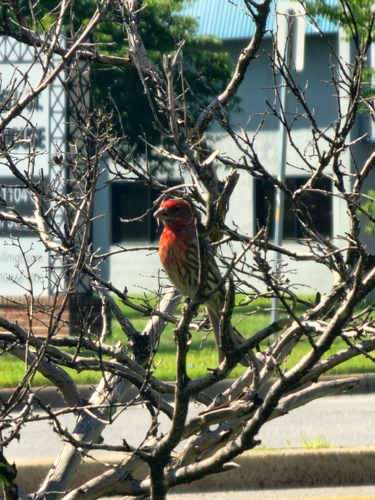
White Throated Sparrow

Seton Hill is a cherished historic neighborhood, an urban oasis steeped in history and architectural beauty.
Seton Hill is a cherished historic neighborhood, an urban oasis steeped in history and architectural beauty. Nestled in downtown Baltimore, this charming district, once known as the city's "French Quarter," offers a unique blend of quiet residential streets and significant historical landmarks, all centered around the verdant Saint Mary's Park. It's a place where every brick and tree tells a story, making it a compelling destination for those seeking a glimpse into Baltimore's rich past.
The neighborhood's highlights include the striking St. Mary's Seminary Chapel, a pioneering example of Gothic Revival architecture in the United States, and the revered Mother Seton House, the former residence of America's first native-born saint. Visitors can also admire the quintessential Baltimore rowhouses, featuring intricate cornices and historic details, or explore the vibrant Orchard Street Community Garden, a testament to local greening efforts. Saint Mary's Park itself offers a tranquil respite with its majestic mature trees, walking paths, and a recently restored fountain, providing picturesque scenes for reflection and photography.
Seton Hill is more than just a collection of buildings; it's a living, breathing community that invites exploration and appreciation. Its blend of historical gravitas, architectural charm, and welcoming green spaces creates a memorable experience, offering a quiet escape just steps from the bustling city center. Whether you're a history enthusiast, an architecture admirer, or simply looking for a peaceful stroll, Seton Hill promises a captivating journey through time. Wondering what that bird or insect is? Find out on your visit using the Snappit nature app.
Seton Hill boasts a rich and profound history, recognized as both a national and local historic district. Its origins trace back to the late 18th century when Sulpician priests, fleeing the French Revolution, founded St. Mary's Seminary and College around 1791, marking it as the first Roman Catholic seminary in the United States. The neighborhood subsequently became known as Baltimore's "French Quarter" due to its early French connections. The district was officially designated an Historic and Architectural Preservation District of Baltimore City in 1968 and was added to the National Register of Historic Places in 1975. Over the centuries, Seton Hill has preserved much of its original character, with its historic rowhouses and key landmarks like the 1808 St. Mary's Seminary Chapel, designed by the notable architect Maximillian Godefroy, standing as testaments to its enduring legacy. The neighborhood has also seen community-led efforts, like the Seton Hill Association, actively working to maintain its charm and historical integrity through various greening and preservation projects.
Take a self-guided architectural walking tour, photograph the historic landmarks, enjoy a picnic in Saint Mary's Park, or attend community events like yoga sessions or seasonal movies in the park (check the Seton Hill Association website for schedules).
Spring/Summer: Lush greenery in the park, blooming flowers in the community garden, and outdoor events.
Fall: Beautiful fall foliage from the mature trees, and potentially seasonal community events like pumpkin painting.
Winter: A quieter, perhaps starkly beautiful, perspective on the historic architecture, though outdoor activities are limited.
The neighborhood features city sidewalks and pathways within Saint Mary's Park. Some areas might have uneven paving stones or grassy terrain. General urban park accessibility applies.
Admire the intricate Gothic Revival architecture of this historic chapel.
Learn about the life of St. Elizabeth Ann Seton in her former home, now a museum.
Enjoy a leisurely walk, relax by the fountain, and appreciate the mature tree canopy.
Observe the distinctive Baltimore rowhouse architecture and their unique details.
Each card links to a full Explore page with photos, traits, and fun facts.
Start with the big picture, then zoom in to explore individual wildlife observations around this place.
Wear comfortable shoes
You'll be doing a lot of walking on city sidewalks and park paths.
Explore side streets
Don't just stick to the main thoroughfares; the charm of Seton Hill lies in its quieter, residential streets.
Check for events
The Seton Hill Association often hosts community events like yoga in the park or seasonal gatherings; check their website for current schedules.
Combine with nearby attractions
Seton Hill is close to the Bromo Arts District, Lexington Market, and Mount Vernon, making it easy to integrate into a larger downtown Baltimore exploration.
Visit both the chapel and the Mother Seton House: These two central landmarks offer deep insights into the neighborhood's historical and religious significance.
Look up
Pay attention to the architectural details on the historic rowhouses, from cornices to window designs.
Jun 5, 2026
Photo attribution
(c) Zachary Wimberly, some rights reserved (CC BY)
License: CC BY 4.0 ↗
Image may be shown cropped inside the card frame.
Jun 7, 2026
Jun 6, 2026
Jun 6, 2026
Jun 6, 2026

Maryland, US
You might spot White-Tailed Deer and Eastern Gray Squirrel.
View guide →
.jpg)
District of Columbia, US
You might spot Eastern Gray Squirrel, Duck, and House Sparrow.
View guide →

Illinois, US
You might spot American Robin, Canada Goose, and House Sparrow.
View guide →

Virginia, US
You might spot Spotted Lanternfly and Northern Cardinal.
View guide →
Take the discovery with you
Identify the wildlife you spot, learn as you go, and keep a collection of the adventure.















.jpg&width=800)





