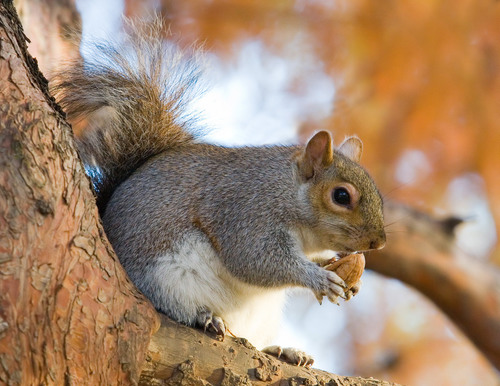
Eastern Gray Squirrel
The Sixteenth Street Historic District is a captivating journey through Washington D.
The Sixteenth Street Historic District is a captivating journey through Washington D.C.'s architectural and social history. This linear district, extending 1.25 miles from H Street to Florida Avenue, showcases a remarkable collection of mansions, churches, embassies, and institutional buildings. It's a vibrant tapestry of American design, reflecting diverse architectural styles from the late 19th and early 20th centuries, and offers a unique glimpse into the city's development as a political and social hub.
As you stroll along this historic avenue, you'll encounter a rich array of buildings, from Italianate rowhouses and Queen Anne residences to grand Beaux-Arts and Gothic Revival structures. The district is renowned for its "Church Row," featuring prominent religious institutions like St. John's Episcopal Church, the "Church of the Presidents," and the majestic Universalist National Memorial Church. Interspersed among these are significant institutions like the Carnegie Institution of Washington and numerous embassies, which contribute to the street's international character and its nickname, "Avenue of Ambition."
The Sixteenth Street Historic District is more than just a collection of old buildings; it's a living museum that tells the story of Washington D.C.'s growth and its influential residents. It provides a picturesque and intellectually stimulating experience for anyone interested in American history, architecture, and urban development. The area's blend of grandeur and historical depth makes it a truly memorable destination, offering endless opportunities for discovery and photography. Eager to name that creature? Identify any animal you find during your visit using the Snappit app.
buffs * Urban explorers and photographers * Those interested in diplomatic history and international relations
Engage in a self-guided architectural walking tour, focusing on the intricate details of the mansions and institutional buildings. Observe the interplay of residential, religious, and diplomatic structures. Many tour companies also offer guided walks through the area. Don't miss the opportunity to photograph the diverse facades and streetscapes.
Spring: Mild temperatures, blooming trees and gardens, excellent for walking and outdoor photography.
Summer: Can be hot and humid; plan visits for early morning or late afternoon, and stay hydrated.
Fall: Crisp air, beautiful autumn foliage, ideal for walking tours and photography.
Winter: Cooler temperatures; architectural details may be more starkly visible without foliage.
Sixteenth Street has paved sidewalks, making it generally accessible for walking. However, some individual buildings or specific tour routes might have stairs or uneven terrain. Public transportation (Metro and buses) serves the area, providing accessible options for reaching the district.
The sheer variety of architectural styles, including Italianate, Queen Anne, Richardsonian Romanesque, Beaux-Arts, and Gothic Revival, is a major draw. Specific highlights include St. John's Episcopal Church, the House of the Temple, the Carnegie Institution of Washington, and numerous foreign embassies.
Each card links to a full Explore page with photos, traits, and fun facts.
Start with the big picture, then zoom in to explore individual wildlife observations around this place.
Wear comfortable shoes
The district is best explored on foot, so be prepared for a good amount of walking.
Bring a camera
The diverse and ornate architecture provides excellent photographic opportunities.
Consider a self-guided tour
Many resources are available online or through local preservation societies to help you explore at your own pace.
Look up historical markers
Many buildings have plaques detailing their history and architectural significance.
Visit Meridian Hill Park
Located at the northern end of the district, this beautiful Beaux-Arts park offers a serene contrast to the bustling street and features unique monuments.
Respect private property
While many buildings are impressive, remember they are often private residences or active institutions; observe from public sidewalks.
Jun 7, 2026
Jun 7, 2026
Jun 7, 2026
Jun 6, 2026
Jun 6, 2026

Maryland, US
You might spot White-Tailed Deer and Eastern Gray Squirrel.
View guide →
.jpg)
District of Columbia, US
You might spot Eastern Gray Squirrel, Duck, and House Sparrow.
View guide →

Illinois, US
You might spot American Robin, Canada Goose, and House Sparrow.
View guide →

Virginia, US
You might spot Spotted Lanternfly and Northern Cardinal.
View guide →
Take the discovery with you
Identify the wildlife you spot, learn as you go, and keep a collection of the adventure.