





Bee

Village Green, originally known as Baldwin Hills Village, is a visionary National Historic Landmark in Los Angeles, renowned for its groundbreaking urban planning and exquisite landscape architecture.
Village Green, originally known as Baldwin Hills Village, is a visionary National Historic Landmark in Los Angeles, renowned for its groundbreaking urban planning and exquisite landscape architecture. This 68-acre planned residential community, with 44 acres dedicated to open green spaces, revolutionized the concept of integrated living by separating pedestrian pathways from vehicular traffic, creating a tranquil, car-free interior. It remains a globally recognized example of the Garden City Movement, offering a unique blend of serene natural beauty and architectural significance within the urban fabric of Southern California.
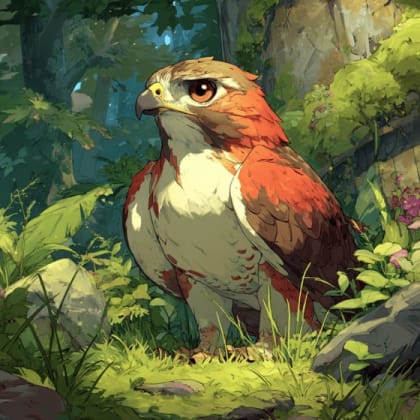
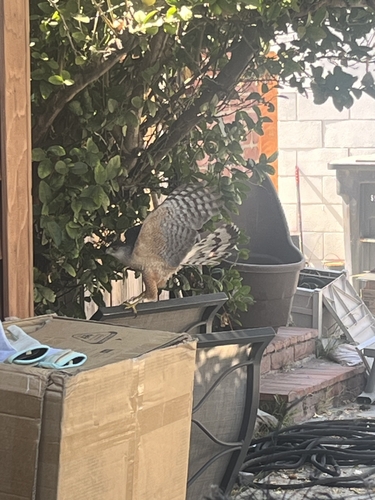
The meticulously designed grounds, conceptualized by landscape architect Fred Barlow Jr., boast extensive arboreal collections including elegant California Sycamores, ancient-looking Olive Trees, and stately London Planes, forming picturesque allées and shaded retreats. These carefully selected plantings are complemented by vast lawns and intimate garden courts, providing diverse habitats that support a thriving avian population, with a recorded 136 bird species, from colorful Anna's Hummingbirds flitting among blossoms to the majestic Cooper's Hawks circling overhead. Notable trees like towering Eucalyptus and resilient Coast Live Oaks further define the landscape, offering visual interest and ecological value.
A visit to Village Green is an immersive journey into a living historical masterpiece, inviting contemplation of its innovative design and its enduring relevance to sustainable urban development. It's a peaceful escape where one can appreciate the thoughtful integration of housing and nature, observe a rich array of plant life, and spot diverse bird species, all while experiencing a tranquil "oasis of pedestrian calm" in the heart of Los Angeles. The commitment to its preservation ensures that its original vision continues to inspire and enchant those who respect its unique residential character. Unlock an interactive field guide for this spot: get the Snappit app to identify nature on the go.
Buffs
Architectural Appreciation: Observe the innovative layout and the low-rise stucco buildings that exemplify the modern movement's integration with nature.
* **Botanical Exploration: ** Enjoy the diverse collection of mature trees and planted areas, including various Eucalyptus, Coast Live Oaks, and the seasonal beauty of Jacarandas.
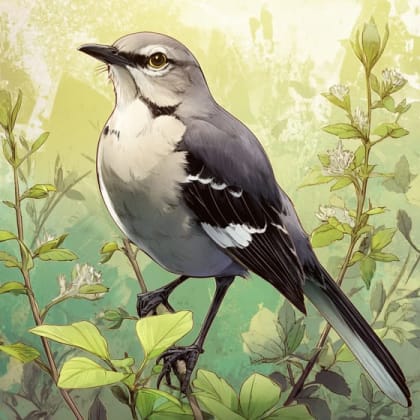
* **Birdwatching: ** Keep an eye out for the many bird species that frequent the greens and tree canopies, such as Anna's Hummingbirds, Cooper's Hawks, Northern Mockingbirds, and various parrots.
* **Photography: ** Capture the interplay of architecture and landscape, the serene pathways, and the rich biodiversity.
Spring: Witness fresh foliage and the blooming of many plants, including the purple Jacaranda trees, making for colorful photographic opportunities. Bird activity, especially nesting, increases.
Summer: Enjoy the full canopy of mature trees providing ample shade along paths.
Fall: Cooler weather is ideal for walking. Some deciduous trees might show subtle color changes.
Winter: Still pleasant for walks, with evergreen species providing year-round greenery. Many overwintering bird species may be present.
The design prioritizes pedestrian access with car-free interior spaces, featuring paved walkways and decomposed granite paths. While the general terrain is flat, visitors should be aware that detailed universal accessibility information for all paths is not widely published.
The overall Garden City design by Fred Barlow Jr. and Clarence Stein, with its separation of pedestrian and vehicular traffic.
The striking corridors formed by California Sycamores, Olive Trees, and London Planes.
The expansive West, Central, and East greens, which serve as the community's core open spaces.
The mid-century modern residential buildings, designed to integrate seamlessly with the natural surroundings.
Each card links to a full Explore page with photos, traits, and fun facts.
Start with the big picture, then zoom in to explore individual wildlife observations around this place.
Respect Residents' Privacy
** Remember this is a residential community. Be mindful of noise levels and avoid lingering near private residences or disturbing residents.
Stay on Paths
Stick to the designated paved walkways and decomposed granite paths to preserve the landscape and respect private areas.
Bring Binoculars
For birdwatching, binoculars will enhance your ability to spot and identify the diverse avian species present.
Comfortable Footwear
Wear comfortable shoes suitable for walking on a mix of paved and decomposed granite surfaces.
Photography Etiquette
Capture the beautiful architecture and landscape, but be discreet when photographing to avoid intruding on residents' privacy.
Check for Tours
Periodically check with local historical or conservancy groups (like LA Conservancy) for any organized public tours that might offer deeper insight and access to the site.
Jun 4, 2026
Photo attribution
(c) Stella, some rights reserved (CC BY)
License: CC BY 4.0 ↗
Image may be shown cropped inside the card frame.
Jun 3, 2026
Photo attribution
(c) Malena Lacque, some rights reserved (CC BY)
License: CC BY 4.0 ↗
Image may be shown cropped inside the card frame.
Jun 7, 2026
Jun 6, 2026
Jun 6, 2026

Maryland, US
You might spot White-Tailed Deer and Eastern Gray Squirrel.
View guide →
.jpg)
District of Columbia, US
You might spot Eastern Gray Squirrel, Duck, and House Sparrow.
View guide →

Illinois, US
You might spot American Robin, Canada Goose, and House Sparrow.
View guide →

Virginia, US
You might spot Spotted Lanternfly and Northern Cardinal.
View guide →
Take the discovery with you
Identify the wildlife you spot, learn as you go, and keep a collection of the adventure.
















_(10-1-11)_harshaw_rd%2C_scc%2C_az_(9424900746).jpg&width=800)

