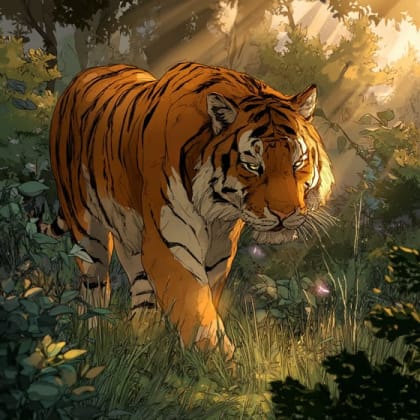





Tiger

The Virginia Zoological Park offers an exciting journey through diverse ecosystems and amazing animal encounters.
The Virginia Zoological Park offers an exciting journey through diverse ecosystems and amazing animal encounters. This 53-acre zoo provides an immersive experience, inviting visitors to explore habitats ranging from the African savanna to the Asian forests. It's a cherished destination that combines education, conservation, and family-friendly adventure in the heart of Norfolk.
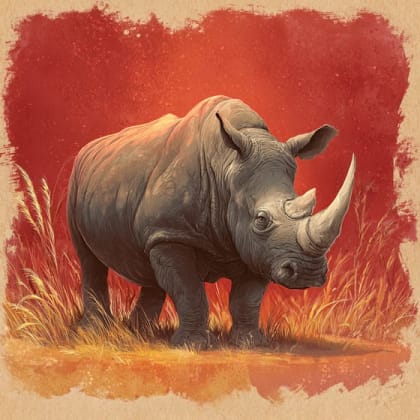
Wander through the captivating "Asia: Trail of the Tiger" to spot Malayan tigers, playful Asian small-clawed otters, and charming red pandas, often seen napping in the trees. Journey to the "Africa: Okavango Delta" exhibit, where you can marvel at majestic Masai giraffes, powerful white rhinoceros, and regal African lions. Don't miss the "World of Reptiles & Friends" for a close look at fascinating snakes, lizards, and colorful frogs, or the "ZooFarm" for interactions with domestic animals like alpacas and goats.
The Virginia Zoo is an unforgettable destination, fostering a deeper appreciation for wildlife and conservation. With its beautifully landscaped grounds, engaging exhibits, and commitment to animal care, it's a perfect outing for families and nature enthusiasts seeking discovery and inspiration. Eager to name that creature? Identify any animal you find during your visit using the Snappit app.
The Virginia Zoological Park, often referred to as the Virginia Zoo, boasts a history stretching back over 120 years. Its origins trace to 1892 when the City of Norfolk acquired 65 acres of land, officially designated as Lafayette Park in 1899. Animals began to be exhibited in 1900, and by 1901, the collection had grown to over 200 mammals, birds, and reptiles, leading to its formal renaming as Lafayette Zoological Park. In 1974, the facility was fenced off from the city park, and a support organization, "Friends of the Zoo," was established, later becoming the Virginia Zoological Society in 1989. The zoo received accreditation from the Association of Zoos and Aquariums (AZA) in 1987, signifying its adherence to high standards of animal care and education. Major developments in the 2000s included the introduction of modern exhibits such as the "Asia: Trail of the Tiger" and "Africa: Okavango Delta," continually enhancing the visitor experience and emphasizing global conservation efforts.
Explore the animal exhibits, attend keeper chats for insider information, let kids enjoy the Run Wild Zone playground, ride the Zoo Train, and admire the beautifully landscaped gardens. Don't forget to take photos with the popular rhino and tortoise statues.
In warmer months, animals might be less active and seek shade, so early mornings are best. The zoo is open year-round, closing only on major winter holidays.
The Virginia Zoo is ADA accessible with wide paths. Wheelchairs and strollers are available for rent at the Stroller Shack near the gift shop. The zoo is a Certified Sensory Inclusive Facility and offers sensory bags and weighted lap pads for rent. A braille guide is also available for visually impaired visitors. Service animals (as defined by the ADA) are welcome, though not permitted inside animal exhibits or during behind-the-scenes tours. Free admission is offered to individuals with ADA-recognized disabilities and one companion.
Trail of the Tiger: Witness Malayan tigers, red pandas, and Asian small-clawed otters in their lush, immersive habitats.
Okavango Delta: Encounter iconic African species such as Masai giraffes, white rhinoceros, African lions, and bongos.
Discover a diverse collection of reptiles and amphibians, including colorful frogs, lizards, and snakes.
Enjoy a more interactive experience with domestic animals like alpacas, Nigerian dwarf goats, and Patagonian cavies.
Each card links to a full Explore page with photos, traits, and fun facts.
Start with the big picture, then zoom in to explore individual wildlife observations around this place.
Arrive early
Aim to be at the gates right at opening to enjoy cooler temperatures and more active animals before crowds build up.
Wear comfortable shoes
The zoo covers 53 acres, so be prepared for a good amount of walking.
Stay hydrated
Bring a reusable water bottle; filling stations are available throughout the park.
Download the zoo map or app
A map can help you navigate efficiently and ensure you don't miss any must-see exhibits.
Consider the train ride
The Zoo Train is a fun, relaxing 20-minute ride that can offer a nice break, especially for tired feet.
Check for keeper chats
Look for scheduled keeper chats or feeding times for a more engaging and informative animal viewing experience.
Jun 6, 2026
Jun 5, 2026
Jun 5, 2026
Jun 5, 2026
Jun 5, 2026

Michigan, US
You might spot African Lion, Komodo Dragon, and Brown Bear.
View guide →
.jpg)
Municipal District of Cobh, IE
You might spot Ring-Tailed Lemur, Giraffes, and Cheetahs.
View guide →

Nouvelle-Aquitaine, FR
You might spot Greater Flamingo, Giraffes, and Red Panda.
View guide →

Texas, US
You might spot Giraffes, African Lion, and Eastern Black Rhinoceros.
View guide →
Take the discovery with you
Identify the wildlife you spot, learn as you go, and keep a collection of the adventure.