





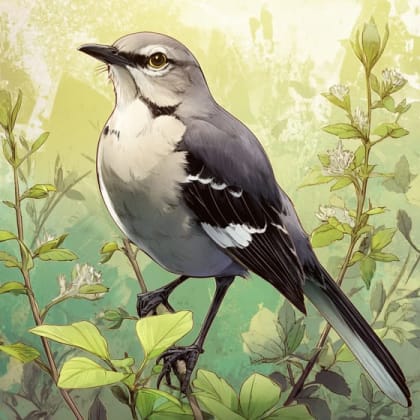
American Robin

College Hill Historic District is Providence's captivating journey through American history and architectural splendor.
College Hill Historic District is Providence's captivating journey through American history and architectural splendor.
This meticulously preserved neighborhood offers a "Mile of History" along Benefit Street, where visitors can admire a remarkable collection of 18th and 19th-century homes, churches, and civic buildings representing Georgian, Federal, and Victorian architectural styles. Beyond its residential charm, College Hill is home to world-renowned educational institutions, Brown University and the Rhode Island School of Design (RISD), whose campuses contribute significantly to the area's vibrant cultural and intellectual atmosphere. Exploring its tree-lined streets reveals iconic landmarks like the First Baptist Church in America, the stately John Brown House Museum, and the scholarly Providence Athenaeum.
The district invites leisurely exploration, whether by a self-guided architectural tour or a focused visit to its many cultural sites. From the panoramic city vistas at Prospect Terrace Park, offering breathtaking views of downtown Providence, to the artistic treasures within the RISD Museum, which houses a diverse collection spanning ancient times to the present, College Hill provides a rich tapestry of experiences. The energetic Thayer Street, a hub of shops and eateries frequented by students, offers a contemporary contrast to the historic grandeur, embodying the neighborhood's dynamic blend of old and new. It's a place where every corner tells a story, making it a truly memorable destination. Eager to name that creature? Identify any animal you find during your visit using the Snappit app.
College Hill's history dates back to 1636 when religious dissenter Roger Williams established the settlement of Providence Plantations here after being banished from Massachusetts. The area around what is now Benefit Street developed early on, becoming home to many wealthy Providence businessmen involved in the shipping trade. The relocation of the college that would become Brown University to College Hill in 1770 further cemented the area's identity, with the neighborhood's name itself referring to its topography and educational institutions. During the 1950s, many historic homes on Benefit Street faced demolition due to disrepair. However, the Providence Preservation Society spearheaded an urban renewal project that focused on revitalization and preservation rather than demolition. This effort led to the establishment of College Hill as a local historic district in 1960, and it was later designated a National Historic Landmark District in 1970, recognizing its profound historical and architectural significance. Today, the district boasts one of America's most extensive and distinguished collections of historic architecture, with nearly all buildings on or near Benefit Street having been renovated.
Take a self-guided or organized walking tour to appreciate the diverse architectural styles.
* Stroll along Thayer Street for unique shops, cafes, and restaurants.
* Visit the various museums and historical sites to delve deeper into Providence's past and artistic heritage.
* Enjoy the green spaces and grounds around the Brown University campus.
Fall brings picturesque autumn leaves and a lively college town feel. Summers are generally warm and pleasant for walking, while winters can be cold but offer a different, often serene, charm, especially with snow. Check for local events and festivals throughout the year.
College Hill is a walkable district with paved sidewalks. However, as its name suggests, it is hilly, which may present challenges for some visitors. Public transportation, such as RIPTA buses, serves the area. On-street metered parking is available but can be limited.
A must-walk for its unparalleled collection of historic homes and civic buildings.
Explore the historic grounds and architecture of this Ivy League institution.
Discover a vast art collection from various periods and cultures.
Step back into 18th-century wealth and power in this Georgian mansion.
Each card links to a full Explore page with photos, traits, and fun facts.
Start with the big picture, then zoom in to explore individual wildlife observations around this place.
Wear Comfortable Shoes
The district is hilly and best explored on foot, so comfortable footwear is essential.
Bring a Camera
The historic architecture, picturesque streets, and panoramic views from Prospect Terrace Park offer excellent photographic opportunities.
Consider a Walking Tour
Both self-guided and organized walking tours are available and can provide deeper insights into the area's rich history and architectural significance.
Explore Thayer Street
Dedicate time to wander Thayer Street for a taste of the vibrant student culture, with its diverse array of shops, cafes, and restaurants.
Visit Prospect Terrace Park at Sunset
For truly stunning views of the Providence skyline, particularly at dusk, head to Prospect Terrace Park.
Check Local Event Listings
The area, especially with Brown and RISD nearby, often hosts events, exhibitions, or lectures that might enhance your visit.
Jun 6, 2026
Jun 6, 2026
Jun 5, 2026
Jun 5, 2026
Jun 4, 2026

Maryland, US
You might spot White-Tailed Deer and Eastern Gray Squirrel.
View guide →
.jpg)
District of Columbia, US
You might spot Eastern Gray Squirrel, Duck, and House Sparrow.
View guide →

Illinois, US
You might spot American Robin, Canada Goose, and House Sparrow.
View guide →

Virginia, US
You might spot Spotted Lanternfly and Northern Cardinal.
View guide →
Take the discovery with you
Identify the wildlife you spot, learn as you go, and keep a collection of the adventure.

















.jpg&width=800)






