Great Blue Heron
Gompers Park in Chicago, Illinois, is a vibrant 42.
Gompers Park in Chicago, Illinois, is a vibrant 42.17-acre urban oasis that beautifully marries natural serenity with robust recreational opportunities. Straddling the North Branch of the Chicago River, this family-friendly park is celebrated for its rehabilitated wetlands and a picturesque lagoon, offering a refreshing escape from city life. Visitors are invited to immerse themselves in diverse habitats, from native woodlands to riparian areas, and discover a rich tapestry of wildlife that thrives within this protected environment.
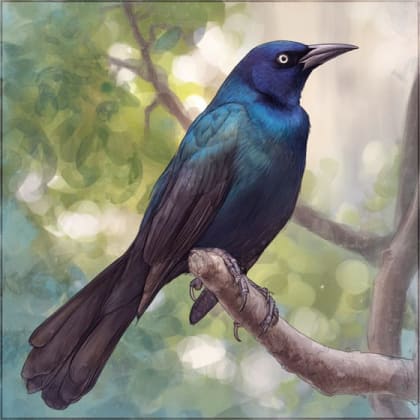
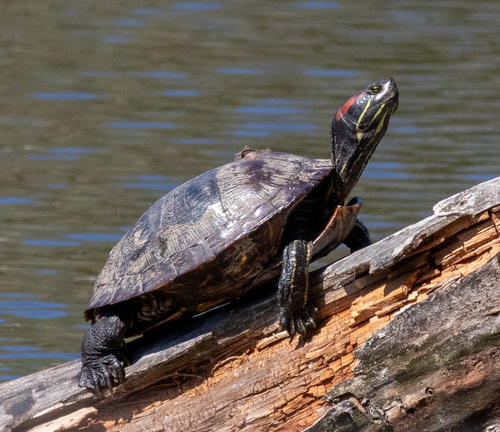
The park's natural areas are a haven for wildlife, where keen observers can spot a variety of birds such as the majestic Great Blue Heron, the striking Black-crowned Night Heron, and familiar species like the Canada Goose, Mallard, Blue Jay, Northern Cardinal, and Common Grackle. The tranquil lagoon and wetlands are home to aquatic life, including Painted Turtles, Pond Sliders, and American Bullfrogs, while Muskrats and American Minks may be seen along the riverbanks. Beyond its wild inhabitants, Gompers Park also boasts charming walking paths and rustic bridges, with groves of ancient bur oaks adding to its natural grandeur.
Whether you're seeking a peaceful stroll amidst nature, an energetic afternoon of sports, or a fun day out with the family, Gompers Park delivers. It serves as the southern gateway to the expansive 16-mile North Branch Trail, inviting longer adventures for hikers and cyclists. With its seasonal transformations—from colorful autumn foliage to winter sledding hills—and its commitment to preserving critical urban ecosystems, Gompers Park offers a memorable and enriching experience for all who visit, making it a true gem in Cook County. Take the ultimate field guide with you: use the Snappit app to identify birds, plants, and animals on your trip.
Gompers Park was established in the mid-to-late 1920s by the Albany Park District, initially conceived from nearly 40 acres of wooded farmland along the North Branch of the Chicago River. The initial landscape plan was prepared by Henry J. Stockman in 1926, and improvements began shortly after the land acquisitions in 1927, 1928, and 1931. Originally, the park was briefly known as Matson Park, but in 1929, it was renamed in honor of Samuel Gompers, the influential long-time president of the American Federation of Labor. In 1934, facing financial pressures during the Great Depression, the Albany Park District, along with 21 other independent park districts, was consolidated into the Chicago Park District. The park's distinctive Tudor Revival-style fieldhouse was designed by Chicago architect Clarence Hatzfeld. Significant restoration efforts took place in the mid-1990s, with strong community support, to rehabilitate the wetlands along the south bank of the river, further enhancing the park's ecological value.
Engage in wildlife watching, with opportunities to spot various bird species, turtles, frogs, muskrats, and even White-tailed Deer. Enjoy fishing in the lagoon, walk or jog along the scenic trails bordering the Chicago River, or connect to the 16-mile North Branch Trail for a longer outing. The park also offers ample space for picnicking and features playgrounds, an outdoor pool (seasonal), and courts for various sports. In winter, the small hills are perfect for sledding.
Summer: Perfect for swimming at the outdoor pool, cooling off at the spray pool, and enjoying outdoor picnics.
Fall: The park transforms with vibrant fall colors, making it an excellent time for photography and scenic walks.
Winter: Snow-covered hills become popular spots for sledding.
Spring/Summer: Look for blooming wildflowers like swamp rose mallow, common milkweed, common jewelweed, and Virginia bluebells.
The fieldhouse features an ADA-compliant entrance, including a curved, sloped walkway that integrates seamlessly with the historic facade. Paved paths are available along parts of the lagoon, enhancing accessibility for visitors.
The rehabilitated wetlands and serene lagoon with pier access are central to the park's appeal, offering excellent wildlife viewing and fishing spots. The historic Tudor Revival fieldhouse and its architectural charm, along with the numerous sports facilities (baseball fields, tennis courts, basketball courts), are also major attractions.
Each card links to a full Explore page with photos, traits, and fun facts.
Start with the big picture, then zoom in to explore individual wildlife observations around this place.
Parking
Ample parking is available. Look for parking lots off Keeler Avenue, particularly by the tennis courts and near the fieldhouse. There's also a lot off Pulaski just south of Foster, which is convenient for accessing the wetland area. Street parking on Foster Avenue is also an option.
Wildlife Viewing
Visit the wetlands and lagoon areas for the best chances to spot birds, turtles, frogs, and muskrats. Bringing binoculars will enhance your experience.
Photography
The park is especially picturesque in the fall due to colorful foliage, offering great photo opportunities. The rustic bridges and winding stone paths around the pond also make for charming scenes.
Trail Exploration
Take advantage of the park's connection to the North Branch Trail for longer walks, jogs, or bike rides along the Chicago River.
Comfort
Wear comfortable shoes suitable for walking on various surfaces, including paved paths and mulch trails.
Crowd Avoidance
For a more peaceful experience, consider visiting during weekdays or earlier in the morning.
Feb 19, 2026
Feb 18, 2026
Feb 15, 2026
Feb 14, 2026
Feb 14, 2026

Maryland, US
You might spot White-Tailed Deer and Eastern Gray Squirrel.
View guide →
.jpg)
District of Columbia, US
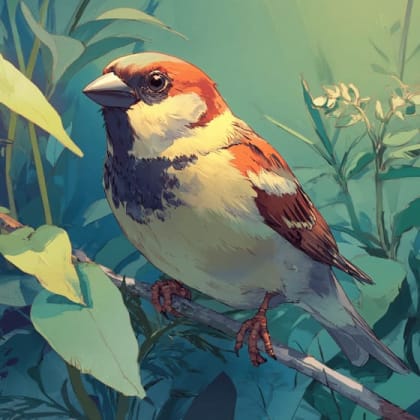
You might spot Eastern Gray Squirrel, Duck, and House Sparrow.
View guide →

Illinois, US
You might spot American Robin, Canada Goose, and House Sparrow.
View guide →

Virginia, US
You might spot Spotted Lanternfly and Northern Cardinal.
View guide →
Take the discovery with you
Identify the wildlife you spot, learn as you go, and keep a collection of the adventure.