





Duck

Step back in time in Indianapolis's charming Laurel and Prospect District.
Step back in time in Indianapolis's charming Laurel and Prospect District.
This compact National Historic District, nestled within the broader Fountain Square Commercial Areas, offers a unique window into late 19th and early 20th-century urban commerce. Visitors can explore a collection of well-preserved commercial buildings that tell the story of Indianapolis's growth and development, showcasing the distinctive architectural styles and entrepreneurial spirit of a bygone era. It's a testament to the city's rich past, inviting exploration of its preserved streetscapes and facades.
The district's key highlights include prominent examples of commercial architecture from the period, such as the Mangold / Roepke Saloon and the Buddenbaum Grocery. These buildings, along with others in the area, boast features characteristic of their time, including sturdy brick facades, period detailing, and layouts designed for bustling urban trade. Wandering through the district allows for an appreciation of the craftsmanship and design prevalent between 1871 and 1932.
Visiting the Laurel and Prospect District is an enriching experience for anyone interested in history, architecture, and urban heritage. It provides a quiet, reflective opportunity to connect with Indianapolis's roots, offering picturesque streetscapes perfect for photography and a deeper understanding of the city's commercial evolution. This district is a memorable destination for those who appreciate the beauty and stories embedded in historic urban environments. Unlock an interactive field guide for this spot: get the Snappit app to identify nature on the go.
The Laurel and Prospect District was developed primarily between 1871 and 1932, reflecting a significant period of commercial growth in Indianapolis. It was officially listed on the National Register of Historic Places in 1983, recognizing its historical and architectural significance. The district encompasses three contributing buildings within the Fountain Square Commercial Areas. Notable structures from its formative years include the Mangold / Roepke Saloon, constructed in 1885 and later updated in 1910, and the Buddenbaum Grocery, dating back to 1879. These buildings are prime examples of the commercial architecture that defined the area during this vibrant period.
Take a self-guided walking tour to admire the brick facades, architectural details, and overall streetscape. Photography is highly recommended to capture the historical ambiance. Imagine the past life of this bustling commercial hub.
The district is an outdoor experience, so dress appropriately for the weather. There are no specific seasonal events tied directly to this district mentioned, but nearby Fountain Square might have activities that complement a visit.
As a public street and sidewalk area, the district is generally accessible for walking. However, individual building access may vary, and sidewalks might have uneven surfaces common in historic areas.
The primary "exhibits" are the historic commercial buildings themselves. Look for the Mangold / Roepke Saloon and the Buddenbaum Grocery as specific examples of late 19th and early 20th-century commercial design.
Each card links to a full Explore page with photos, traits, and fun facts.
Start with the big picture, then zoom in to explore individual wildlife observations around this place.
Wear comfortable shoes, as exploring the district involves walking on sidewalks.
Bring a camera to capture the historic architecture and street views.
Consider researching the specific buildings like the Mangold / Roepke Saloon and Buddenbaum Grocery beforehand to enhance your visit.
Combine your visit with exploration of the wider Fountain Square Commercial Areas, which offers additional historic sites and local businesses.
Look up to notice decorative cornices, window details, and other architectural elements that define the period.
Plan your visit during daylight hours to best appreciate the architectural details and for better photography.
Jun 7, 2026
Jun 6, 2026
Jun 6, 2026
Jun 5, 2026
Jun 5, 2026

Maryland, US
You might spot White-Tailed Deer and Eastern Gray Squirrel.
View guide →
.jpg)
District of Columbia, US
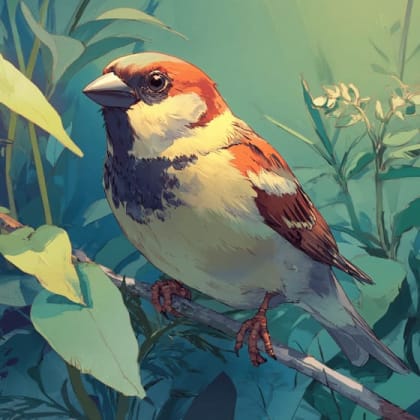
You might spot Eastern Gray Squirrel, Duck, and House Sparrow.
View guide →

Illinois, US
You might spot American Robin, Canada Goose, and House Sparrow.
View guide →

Virginia, US
You might spot Spotted Lanternfly and Northern Cardinal.
View guide →
Take the discovery with you
Identify the wildlife you spot, learn as you go, and keep a collection of the adventure.
















.jpg&width=800)



.jpg&width=800)


