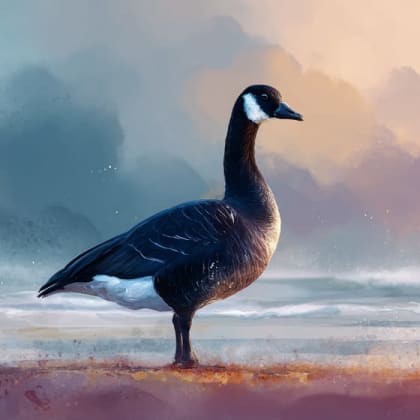
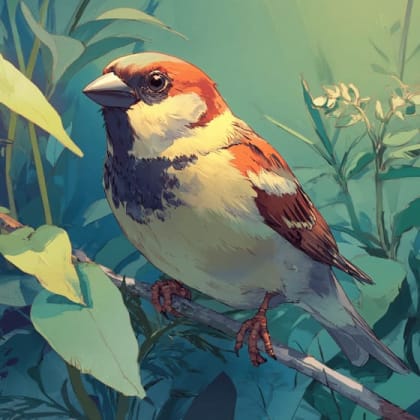
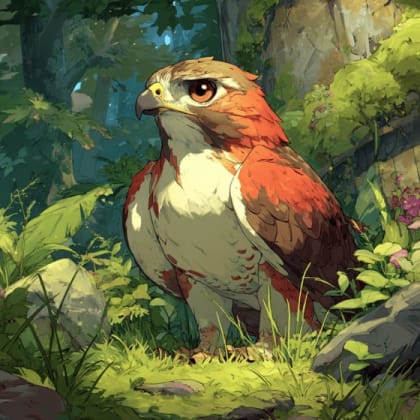
Duck

Step back in time to the golden age of American whaling.
Step back in time to the golden age of American whaling.
The New Bedford Historic District, nestled along the city's waterfront in Massachusetts, is a captivating National Historic Landmark District that transports visitors to the 19th century when New Bedford reigned as the world's leading whaling port. Encompassing eleven city blocks, this remarkably preserved area features an impressive collection of Federal and Greek Revival architectural styles, reflecting the immense wealth and global connections forged during its maritime peak. Designated as a National Historic Landmark in 1966 and later incorporated into the New Bedford Whaling National Historical Park, it serves as a vibrant outdoor museum where history comes alive through its streets and structures.
As you wander the cobblestone streets, you'll encounter iconic landmarks and engaging attractions that tell the story of "The City That Lit the World." Highlights include the immersive New Bedford Whaling Museum, home to vast collections of whaling artifacts and impressive whale skeletons, and the Seamen's Bethel, made famous in Herman Melville's *Moby-Dick*. The district also features the elegant Rotch-Jones-Duff House and Garden Museum, offering a glimpse into the opulent lives of wealthy whaling merchants, and the historic U.S. Customhouse, designed by Robert Mills and still in use today.
A visit to the New Bedford Historic District offers more than just a historical tour; it's an invitation to experience the enduring spirit of a city shaped by its maritime heritage and a hub of innovation and social change. From its pivotal role in the abolitionist movement to its continuous efforts in preservation, the district provides a rich tapestry of stories, art, and culture. Whether you're captivated by grand architecture, intricate scrimshaw, or the echoes of a bygone era, New Bedford's historic heart promises a memorable and enriching exploration. Take the ultimate field guide with you: use the Snappit app to identify birds, plants, and animals on your trip.
New Bedford's rapid ascent as a whaling port began shortly after its establishment in the early 1760s. By 1840, it had surpassed Nantucket to become the nation's leader in the whaling industry, a position it maintained until the late 1850s when the rise of the petroleum industry signaled the decline of American whaling. The prosperity of this era funded the construction of the district's distinctive Federal and Greek Revival buildings between 1790 and 1855, many designed by notable architects like Russell Warren. In the mid-20th century, a local citizens' group called the Waterfront Historic Area League (WHALE) spearheaded a campaign to preserve the remaining historic waterfront. This effort led to the establishment of the Bedford Landing Waterfront Historic District in 1971 and its designation as a National Historic Landmark District in 1966. In 1996, the district became the core of the New Bedford Whaling National Historical Park, ensuring its continued preservation and interpretation for future generations.
Each card links to a full Explore page with photos, traits, and fun facts.
Start with the big picture, then zoom in to explore individual wildlife observations around this place.
Start at the National Park Service Visitor Center: Begin your visit here for maps, orientation films, and recommendations from park rangers.
Wear comfortable shoes
The historic cobblestone streets and sidewalks can be uneven, so comfortable footwear is essential for walking.
Allow ample time for museums
The New Bedford Whaling Museum and the Rotch-Jones-Duff House require significant time (1.5-2.5 hours for the Whaling Museum alone) to fully appreciate their collections and exhibits.
Explore the working waterfront
Beyond the historic core, visit the active waterfront to see New Bedford's continued legacy as a leading fishing port.
Check event schedules
Look for special events like AHA! Nights, festivals, or guided tours that enhance the historical experience.
Consider parking garages
Free 2-hour street parking might be available, but nearby parking garages offer more convenient and longer-term options.
Jun 6, 2026
Jun 6, 2026
Jun 3, 2026
Jun 2, 2026
Jun 1, 2026

Maryland, US
You might spot White-Tailed Deer and Eastern Gray Squirrel.
View guide →
.jpg)
District of Columbia, US
You might spot Eastern Gray Squirrel, Duck, and House Sparrow.
View guide →

Illinois, US
You might spot American Robin, Canada Goose, and House Sparrow.
View guide →

Virginia, US
You might spot Spotted Lanternfly and Northern Cardinal.
View guide →
Take the discovery with you
Identify the wildlife you spot, learn as you go, and keep a collection of the adventure.