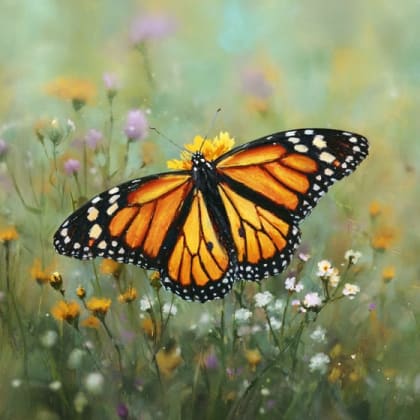





Monarch Butterfly

Presqu'ile Provincial Park, aptly named from the French for "almost an island," is a breathtaking boomerang-shaped peninsula extending into Lake Ontario in Brighton, Ontario.
Presqu'ile Provincial Park, aptly named from the French for "almost an island," is a breathtaking boomerang-shaped peninsula extending into Lake Ontario in Brighton, Ontario. This unique geological formation, a tombolo, is a natural marvel boasting an incredibly diverse landscape of sandy beaches, lush forests, and expansive wetlands, including the largest protected marsh on the north shore of Lake Ontario. It stands as a vital sanctuary for migrating birds and monarch butterflies, making it a globally recognized hotspot for nature and wildlife enthusiasts.
The park's rich tapestry of habitats supports an impressive array of wildlife, with over 330 bird species recorded and 120-130 known to nest within its boundaries. Visitors can explore 16 km of trails, including the accessible 1 km Marsh Boardwalk Trail, which offers intimate views into the wetland ecosystem, and the Owen Point Trail, ideal for observing shorebirds like the Semipalmated Plover, Sanderling, or Dunlin. Beyond the trails, the park features a historic lighthouse, interpretive centres, and a 2.5 km sandy beach perfect for family enjoyment.
Presqu'ile Provincial Park offers an unforgettable experience, seamlessly blending natural beauty with recreational opportunities throughout the year. Whether you're captivated by the spectacle of spring bird migration, exploring the diverse flora and fauna, or simply enjoying the tranquil lakeside setting, the park provides a memorable escape. Its significant role as a migratory stopover for species like the Monarch butterfly and various warblers, coupled with the charm of its historic lighthouse and unique geological features, truly makes it a jewel on Lake Ontario's northern shore. Turn your visit into a safari! Use the Snappit app to scan and log wildlife sightings here.
The peninsula of Presqu'ile, meaning "almost an island" in French, was formed by a tombolo, where a limestone island became connected to the mainland by sand and gravel deposits from Lake Ontario. Its name is often attributed to explorer Samuel De Champlain. By the late 1800s, the area gained popularity for recreation, leading to the establishment of summer camps and the Presqu'ile Hotel. A significant milestone occurred in 1840 with the completion of the Presqu'ile Lighthouse, which remains the second oldest operating lighthouse in Ontario. In 1922, the Presqu'ile Park Commission was formed, effectively designating it as the fifth provincial park in Ontario, and it officially joined the Ontario Parks system in 1954, securing its future as a protected natural space.
Engage in hiking or cycling along the 16 km of trails and the 8 km paved road loop with a dedicated bike lane. Enjoy swimming at the sandy beach (no dogs) or the rocky shores (dogs permitted). Birdwatching is a premier activity, with opportunities to spot various gulls, terns, ducks, and warblers. Canoeing in the sheltered bay and marsh, picnicking at scenic spots, fossil hunting along rocky shores, and participating in summer Discovery Programs are also popular.
Spring: Witness peak bird migration with thousands of waterfowl in March and a spectacular array of warblers and shorebirds in May. Trails may be wet.
Summer: The Nature Centre and Lighthouse Interpretive Centre are open daily, with interpretive programs, guided walks, and children's activities. Camping is in full swing. Be mindful of Poison Ivy on trails later in the season.
Autumn: Experience the shorebird migration in September and the arrival of Monarch butterflies. Enjoy vibrant fall foliage.
Winter: The park remains open for day use, offering opportunities for winter hiking and cross-country skiing. Look for overwintering birds like the Long-tailed Duck, and potentially Bald Eagles or Snowy Owls. In some years, ice cliffs and ice volcanoes create dramatic scenery.
The Marsh Boardwalk Trail and parts of Jobes Woods Trail are wheelchair and stroller friendly, featuring boardwalks. The paved 8 km road loop includes a walking/bike lane. The Lighthouse Interpretive Centre is designated as barrier-free. Some comfort stations also offer wheelchair accessibility.
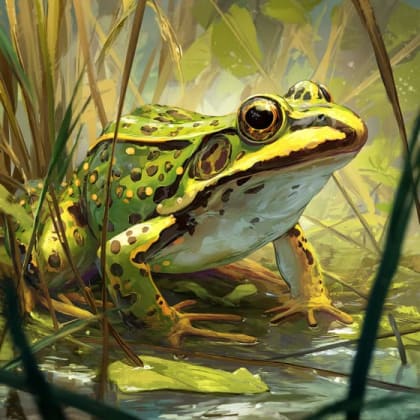
Don't miss the 1 km Marsh Boardwalk Trail, offering unique marsh views and wildlife spotting. The historic Presqu'ile Lighthouse, Ontario's second oldest, and its accompanying Lighthouse Interpretive Centre provide historical insights. The Nature Centre (open in summer) features engaging displays including live amphibians and reptiles like the Northern Leopard Frog or Painted Turtle. The 2.5 km sandy beach is a popular draw, and the park's extensive trail system provides diverse hiking opportunities.
Each card links to a full Explore page with photos, traits, and fun facts.
Start with the big picture, then zoom in to explore individual wildlife observations around this place.
Pack for birdwatching
Bring binoculars and a field guide to make the most of the park's incredible avian diversity, especially during migration seasons.
Footwear matters
Wear comfortable hiking shoes for trails, and consider water shoes if you plan to explore the rocky beaches.
Book ahead for day use
During peak seasons, it's advisable to make a day-use reservation through the Ontario Parks website to guarantee entry.
Explore the interpretive centres
Visit the Lighthouse Interpretive Centre to learn about the park's maritime history and the Nature Centre (summer only) for engaging wildlife displays, particularly if you have children.
Know pet regulations
Remember that dogs are welcome but not on sandy swimming beaches; use designated rocky areas for swimming with pets and ensure they are leashed.
Winter visit precautions
If visiting in winter, check the park's social media for updates on road conditions and potential closures due to weather.
Jan 14, 2026
Jan 10, 2026
Jan 10, 2026
Jan 7, 2026
Dec 20, 2025

Maryland, US
You might spot White-Tailed Deer and Eastern Gray Squirrel.
View guide →
.jpg)
District of Columbia, US
You might spot Eastern Gray Squirrel, Duck, and House Sparrow.
View guide →

Illinois, US
You might spot American Robin, Canada Goose, and House Sparrow.
View guide →

Virginia, US
You might spot Spotted Lanternfly and Northern Cardinal.
View guide →
Take the discovery with you
Identify the wildlife you spot, learn as you go, and keep a collection of the adventure.