




Brent Goose

## Spring Creek Park: A Wildlife Oasis on Jamaica Bay
Nestled along the Jamaica Bay shoreline, bridging the vibrant boroughs of Queens and Brooklyn, Spring Creek Park stands as a vital ecological sanctuary within the urban sprawl of New York City. This expansive public park, largely an undeveloped nature preserve, offers a serene escape where the wild heart of Jamaica Bay thrives. It is a remarkable testament to conservation, encompassing a diverse landscape of salt marshes, wetlands, and upland forests, serving as a critical habitat and a natural filtration system for the surrounding waters.
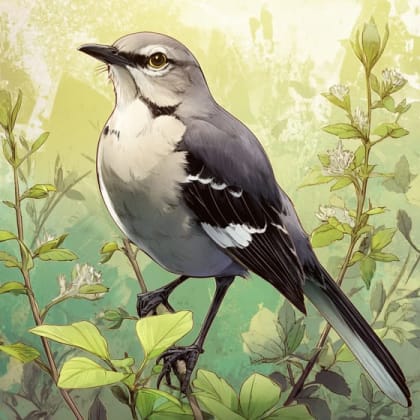
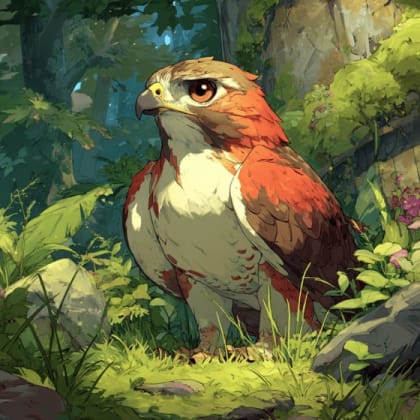
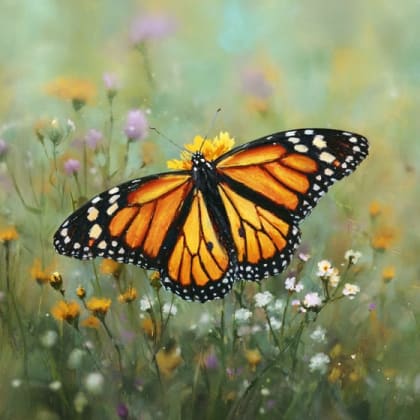
The park's diverse ecosystems are a magnet for an incredible array of wildlife, making it a prime destination for nature enthusiasts and birdwatchers. Visitors can often spot magnificent Great Blue Herons stalking the shallows, while the distinctive calls of Northern Mockingbirds echo from the thickets. The skies are frequently graced by various waterfowl, including American Black Ducks, Mallards, and Buffleheads, alongside raptors like the Northern Harrier and Red-tailed Hawk. The salt marshes teem with life, offering glimpses of Muskrats, and even the colorful Monarch butterfly can be seen fluttering among the butterfly milkweed. Keep an eye out for the distinctive Spotted Lanternfly, which, while an invasive species, is a common local observation.
Spring Creek Park provides an invaluable opportunity to connect with nature, offering a unique urban wilderness experience. Whether you're seeking a peaceful stroll along the paved paths, an exhilarating birdwatching session, or a chance to photograph the intricate beauty of a salt marsh ecosystem, the park promises memorable encounters with the natural world. Its role in protecting the broader Jamaica Bay ecosystem underscores its significance, making every visit a contribution to appreciating and preserving this precious natural heritage. Unlock an interactive field guide for this spot: get the Snappit app to identify nature on the go.
The concept for Spring Creek Park was first put forth in 1930 by the New York Park Association's Metropolitan Conference on Parks. Given that the area was predominantly marshland, it was ultimately decided that the park would be constructed upon filled land. The project gained approval in 1942, with landfilling operations commencing in 1949, which notably included municipal garbage. The South Shore Incinerator was also opened at the site in 1954, contributing to the landfill efforts. Over the years, Spring Creek Park evolved through various phases of development and integration. In 1974, the southern portion of the park became part of the Gateway National Recreation Area, placing it under the jurisdiction of the National Park Service. Further expansion occurred in the 1990s, with additional land acquired for the northern section of the park. The construction of the Gateway Center shopping mall in 2003 also led to the creation of additional parkland around the complex. As of 2024, the U.S. Army Corps of Engineers is planning a large-scale ecosystem restoration project to enhance the environmental quality and wildlife habitat within the park's salt marshes.
Walk, jog, or bike along the paved paths, birdwatch, photograph wildlife, and experience the tranquility of a significant natural area within the city. Look for Brant, American Black Ducks, and Canada Geese on the water, and listen for the Song Sparrow in the reeds.
Spring: Peak bird migration, wildflowers begin to bloom.
Summer: Lush vegetation, butterflies like the Monarch are active, young animals are often visible. Be aware of the Spotted Lanternfly.
Autumn: Fall bird migration, changing foliage colors, cooler temperatures for hiking.
Winter: Excellent for spotting wintering waterfowl like Bufflehead and American Wigeon.
The Spring Creek Path is a 1.2-mile paved path. While some areas are undeveloped, the paved path offers a degree of accessibility for visitors.
A 1.2-mile paved trail that follows Gateway Drive, providing access to views of Hendrix Creek.
A scenic point offering close-up views of Hendrix Creek and glimpses towards Jamaica Bay.
Observe the unique flora and fauna adapted to this brackish environment.
The park is a haven for numerous bird species throughout the year, especially during migration.
Each card links to a full Explore page with photos, traits, and fun facts.
Start with the big picture, then zoom in to explore individual wildlife observations around this place.
Bring binoculars
Essential for birdwatching and spotting distant wildlife.
Wear appropriate footwear
Trails can be unpaved in some areas, and paved paths are suitable for walking or biking.
Stay on designated paths
This helps protect the sensitive salt marsh ecosystem and ensures your safety.
Carry water and snacks
Especially during longer visits, as facilities might be limited in some undeveloped areas.
Visit during migration season
Spring and fall offer the best opportunities to see a wider variety of migratory bird species like Brant and Green-winged Teal.
Respect wildlife
Observe from a distance and avoid disturbing animals or their habitats.
Feb 28, 2026
Feb 28, 2026
Feb 28, 2026
Feb 21, 2026
Feb 15, 2026

Maryland, US
You might spot White-Tailed Deer and Eastern Gray Squirrel.
View guide →
.jpg)
District of Columbia, US
You might spot Eastern Gray Squirrel, Duck, and House Sparrow.
View guide →

Illinois, US
You might spot American Robin, Canada Goose, and House Sparrow.
View guide →

Virginia, US
You might spot Spotted Lanternfly and Northern Cardinal.
View guide →
Take the discovery with you
Identify the wildlife you spot, learn as you go, and keep a collection of the adventure.