





Eastern Gray Squirrel

The Gallaudet College Historic District is a living testament to pioneering education and design.
The Gallaudet College Historic District is a living testament to pioneering education and design. This National Historic Landmark District encompasses the historic core of Gallaudet University, the world's only university specifically designed for deaf and hard of hearing students. Its picturesque campus, meticulously planned in 1866 by the esteemed landscape architecture firm Olmsted, Vaux & Co., offers a harmonious blend of stunning High Victorian Gothic architecture and thoughtful, accessible design principles.
Visitors can marvel at iconic structures such as Chapel Hall, a magnificent brownstone example of Ruskinian Gothic Revival, and College Hall, known for its distinctive polychrome High Victorian Gothic style. Beyond individual buildings, the district showcases the revolutionary "DeafSpace" design philosophy, which prioritizes visual communication and sensory awareness through open layouts, optimal lighting, and clear sightlines, making the entire environment uniquely responsive to the needs of its community.
A visit here is more than just a stroll through historic grounds; it's an immersive experience into a profound cultural landscape. It provides a unique opportunity to understand the evolution of deaf education and the innovative architectural approaches that foster a thriving, visually-oriented community. The district's blend of natural beauty, historical gravitas, and groundbreaking design makes it a truly memorable and inspiring destination in Washington, D.C. Enhance your adventure: download the Snappit app to identify the local species you encounter.
The Gallaudet College Historic District's history dates back to 1857 when Amos Kendall, a philanthropist, founded the Columbia Institution for the Instruction of the Deaf and Dumb and the Blind in Washington, D.C. Edward Miner Gallaudet, son of pioneering deaf educator Thomas Hopkins Gallaudet, became the institution's first superintendent. In 1864, President Abraham Lincoln signed a charter, establishing the collegiate department, which later became Gallaudet College. The physical design of the campus began to take shape in 1866 when Olmsted, Vaux & Co., renowned for their work on Central Park, developed the master plan for the grounds. Frederick C. Withers then designed many of the significant High Victorian Gothic buildings within this plan. The institution was eventually renamed Gallaudet College in honor of Thomas Hopkins Gallaudet and was designated a National Historic Landmark District in 1985, recognizing its outstanding national significance.
Take a self-guided tour using available campus maps, or inquire about guided tours at the Maguire Welcome Center. Observe the unique architectural elements and campus planning that embody "DeafSpace" principles, focusing on visual communication.
The campus landscape shifts beautifully with the seasons. Summer can be hot, while winters in D.C. can be cold with occasional snow, making outdoor exploration less comfortable.
Gallaudet University is a pioneer in accessible design. The campus inherently incorporates "DeafSpace" principles, which include features like wide pathways, optimal lighting, clear sightlines, and open spaces to facilitate visual communication and navigation. The university also has a strong commitment to digital and physical accessibility.
A stunning example of High Victorian Gothic architecture, featuring a prominent spire and clock tower, and once serving as the main hub of the university.
One of the oldest buildings on campus, showcasing intricate polychrome High Victorian Gothic Revival architecture.
A historic Victorian Gothic mansion, the residence of all Gallaudet presidents.
Expansive green spaces integral to the original campus design, offering visual pathways and gathering areas.
Each card links to a full Explore page with photos, traits, and fun facts.
Start with the big picture, then zoom in to explore individual wildlife observations around this place.
Wear comfortable shoes
The district is best explored on foot, with several acres to cover.
Pick up a campus map
Obtain a map from the Maguire Welcome Center to navigate the historic buildings and grounds efficiently.
Look for DeafSpace elements
Pay close attention to how spaces are designed to facilitate visual communication, such as circular seating arrangements, wide corridors, and controlled lighting.
Consider a guided tour
If available, a guided tour from the Maguire Welcome Center can offer deeper insights into the university's history and design.
Respect the academic environment
Remember that Gallaudet is a working university; be mindful of students and faculty.
Visit the National Deaf Life Museum
Located in Chapel Hall, it offers valuable context to the university's mission and history.
Jun 7, 2026
Jun 7, 2026
Jun 7, 2026
Jun 7, 2026
Jun 7, 2026

Maryland, US
You might spot White-Tailed Deer and Eastern Gray Squirrel.
View guide →
.jpg)
District of Columbia, US
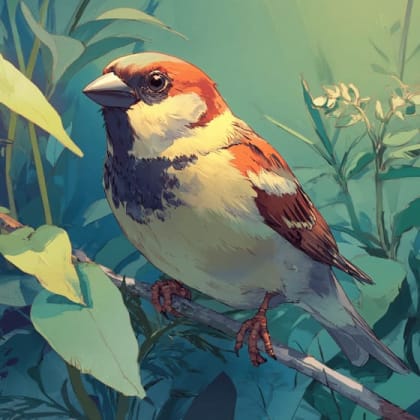
You might spot Eastern Gray Squirrel, Duck, and House Sparrow.
View guide →

Illinois, US
You might spot American Robin, Canada Goose, and House Sparrow.
View guide →

Virginia, US
You might spot Spotted Lanternfly and Northern Cardinal.
View guide →
Take the discovery with you
Identify the wildlife you spot, learn as you go, and keep a collection of the adventure.





















.jpg&width=800)
