





American Robin

Knoxville College stands as a powerful symbol of Black history and resilience in East Tennessee.
Knoxville College stands as a powerful symbol of Black history and resilience in East Tennessee. This historically significant liberal arts college, founded shortly after the Civil War, offers a journey through the architectural and educational legacy of African Americans. Its campus, perched atop a hill overlooking Knoxville, features an impressive collection of late 19th and early 20th-century buildings, many constructed by the very students they were meant to educate.
Exploring the 39-acre campus allows visitors to witness the grandeur of its past, even as it undergoes ongoing restoration efforts. Key architectural highlights include the stately McKee Hall, the historic President's House, and the once-vibrant McMillan Chapel, which hosted luminaries like George Washington Carver and Jackie Robinson. While some structures reflect the challenges of time and neglect, their enduring presence tells a compelling story of a community's determination to foster education and leadership.
A visit to Knoxville College offers a unique opportunity to connect with a pivotal institution in the civil rights movement and African American education. It's a place for reflection, for appreciating the architectural contributions of its early students, and for witnessing the hopeful journey of a college striving for renewed accreditation and prominence. Despite its current transitional phase, the campus remains a poignant and historically rich destination, inviting those who value heritage and perseverance to explore its grounds. Enhance your adventure: download the Snappit app to identify the local species you encounter.
Knoxville College was founded in 1875 by the United Presbyterian Church of North America with a mission to provide religious, moral, and educational leadership for freed men and women after the Civil War. Initially established as a normal school to train teachers, it quickly grew to offer a broader liberal arts curriculum. A remarkable aspect of its early development was the direct involvement of students in the construction of campus buildings, including making the bricks themselves. The institution played a crucial role in educating African Americans in the South, eventually becoming the only Historically Black College and University (HBCU) in East Tennessee. Throughout the 20th century, Knoxville College faced financial instability and, ultimately, lost its accreditation in 1997. This led to a significant decline in enrollment and the eventual suspension of classes in 2015. However, the college has since been working towards revival, resuming classes in 2018 and applying for accreditation with the Transnational Association of Christian Colleges and Schools in August 2024, symbolizing a renewed commitment to its founding mission.
Architectural Exploration: Admire the unique architectural styles and the craftsmanship of the student-built structures.
* **Historical Reflection: ** Consider the immense historical significance of the college as an HBCU and its role in the education and empowerment of African Americans.
* **McMillan Chapel: ** Seek out this chapel, a site where prominent figures like George Washington Carver, W.E.B. Du Bois, and Jackie Robinson once spoke.
* **Campus Grounds: ** Walk the 39-acre campus to appreciate its hilltop setting and the overall layout.
Spring: Blooming trees and milder temperatures make for pleasant walking.
Summer: Can be hot and humid in Tennessee, so plan for early morning or late afternoon visits.
Fall: Crisp air and changing foliage enhance the historical ambiance.
Winter: Generally mild, but some days can be cold; outdoor exploration is still possible.
The campus largely features paved paths, but visitors should be aware that many historic buildings may have limited accessibility due to their age and current state of disrepair.
The collection of historic buildings that form the Knoxville College Historic District are the primary attractions. These include McKee Hall, the President's House, Wallace Hall, McMillan Chapel, Elnathan Hall (even in its current state post-fire), Giffen Memorial Gymnasium, and the Faculty Cottages.
Each card links to a full Explore page with photos, traits, and fun facts.
Start with the big picture, then zoom in to explore individual wildlife observations around this place.
Wear comfortable shoes
The campus covers 39 acres, and exploring its full extent will involve walking.
Respect the property
As a historic institution, please respect the campus, its buildings, and any ongoing restoration efforts.
Research before you go
Check for any official updates from Knoxville College regarding campus access or events, as its status is dynamic.
Bring a camera
The historic architecture and scenic hilltop location provide excellent photographic opportunities.
Be aware of the environment
Some areas may show signs of age or disrepair, reflecting the college's journey.
Consider the weather
Knoxville, Tennessee, can have hot summers, so plan accordingly with water and sun protection if visiting during warmer months.

Maryland, US
You might spot White-Tailed Deer and Eastern Gray Squirrel.
View guide →
.jpg)
District of Columbia, US
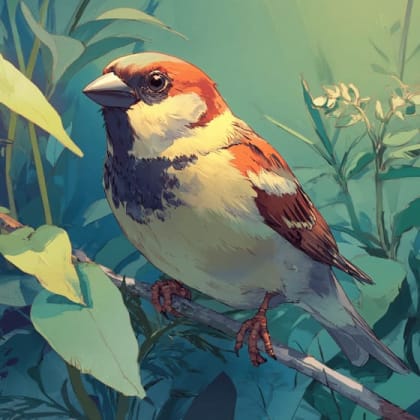
You might spot Eastern Gray Squirrel, Duck, and House Sparrow.
View guide →

Illinois, US
You might spot American Robin, Canada Goose, and House Sparrow.
View guide →

Virginia, US
You might spot Spotted Lanternfly and Northern Cardinal.
View guide →
Take the discovery with you
Identify the wildlife you spot, learn as you go, and keep a collection of the adventure.






















.jpg&width=800)


.jpg&width=800)


