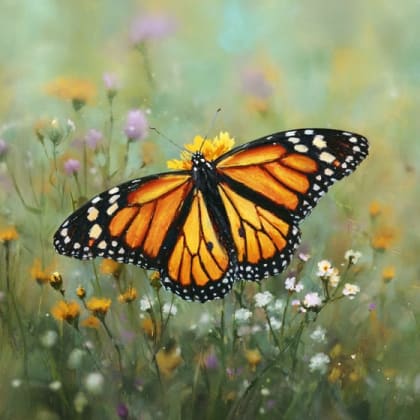





Monarch Butterfly

Detroit's Washington Boulevard Historic District is a majestic corridor showcasing early 20th-century urban design.
Detroit's Washington Boulevard Historic District is a majestic corridor showcasing early 20th-century urban design. This multi-block area in downtown Detroit is a stunning example of the City Beautiful movement, envisioned to rival grand European boulevards and New York City's Fifth Avenue. It stands as a testament to Detroit's golden age, lined with architecturally significant buildings that create a harmonious and impressive streetscape.
Stroll along the boulevard to admire a collection of iconic structures, including the opulent Westin Book-Cadillac Hotel, the towering Book Tower, and the historically significant Book Building. These landmarks, alongside others like St. Aloysius Church and the Industrial-Stevens Apartments, boast intricate Beaux-Arts and Italian Renaissance detailing, reflecting the craftsmanship and ambition of their era. The boulevard itself features beautifully landscaped medians, recently enhanced with ornamental grasses, groundcover, and flowering perennials, offering a touch of natural beauty amidst the urban fabric.
Visiting Washington Boulevard Historic District is an immersion into Detroit's rich past and vibrant present. It's a place where history comes alive through magnificent architecture, inviting pedestrians to appreciate the city's unique heritage and its ongoing revitalization. Whether you're an architecture enthusiast, a history buff, or simply seeking a picturesque urban stroll, this district promises a memorable experience of Detroit's enduring charm. Eager to name that creature? Identify any animal you find during your visit using the Snappit app.
Buffs * Urban Explorers * Photography
Walk the length of the boulevard, observe the intricate architectural details of the buildings, take photographs, and appreciate the urban landscaping. Consider joining a walking tour to learn more about the history and hidden gems.
Spring/Summer/Fall: Ideal for outdoor exploration, with vibrant plantings in the medians.
Winter: Offers a different, often quieter, perspective of the architecture, though it can be cold.
The district is generally flat and features wide sidewalks for pedestrian use. Recent renovations to the medians include a decomposed granite path, which is finer and more stable than typical gravel, promoting connectivity and accessibility. Nearby Huntington Place, part of the wider downtown area, offers wheelchair accessibility with ramps, elevators, and accessible restrooms.
A grand and historic hotel, once the tallest building in Detroit and tallest hotel in the world.
Iconic structures showcasing Beaux-Arts and Italian Renaissance influences.
Notable for their architectural style and historical presence.
The central green spaces with ornamental grasses, groundcover, and flowering perennials.
Each card links to a full Explore page with photos, traits, and fun facts.
Start with the big picture, then zoom in to explore individual wildlife observations around this place.
Wear comfortable shoes, as the best way to experience the district is on foot.
Look up! Many of the most intricate architectural details are on the upper floors of the buildings.
Consider a guided walking tour to gain deeper insights into the history and architecture.
Combine your visit with other nearby downtown Detroit attractions, as the district is very walkable.
Visit during daylight hours to fully appreciate the architectural nuances and boulevard landscaping.
Bring a camera to capture the stunning historical facades and urban vistas.
Apr 25, 2026
Photo attribution
(c) Mike Carnill, some rights reserved (CC BY)
License: CC BY 4.0 ↗
Image may be shown cropped inside the card frame.
Jun 6, 2026
Jun 6, 2026
Jun 6, 2026
Jun 6, 2026

Maryland, US
You might spot White-Tailed Deer and Eastern Gray Squirrel.
View guide →
.jpg)
District of Columbia, US
You might spot Eastern Gray Squirrel, Duck, and House Sparrow.
View guide →

Illinois, US
You might spot American Robin, Canada Goose, and House Sparrow.
View guide →

Virginia, US
You might spot Spotted Lanternfly and Northern Cardinal.
View guide →
Take the discovery with you
Identify the wildlife you spot, learn as you go, and keep a collection of the adventure.































%2C_Female_01.jpg&width=800)


