Eastern Gray Squirrel

Step back in time at the Wanskuck Historic District, a preserved 19th-century mill village.
Step back in time at the Wanskuck Historic District, a preserved 19th-century mill village. This captivating district in Providence, Rhode Island, offers a unique window into the industrial heritage and community life that shaped the region. Listed on the National Register of Historic Places, Wanskuck is a testament to the thriving textile industry and the diverse immigrant communities that powered it.
Visitors can explore a rich tapestry of architectural styles, from the imposing brick mill complexes like the Wanskuck and Steere Mills to the charming worker housing, including duplexes and rowhouses that once housed the village's laborers. Notable structures like Wanskuck Hall, originally a community gathering space, and the distinctive Gothic Revival churches provide a sense of the social and spiritual life of this historic community. The district's unique layout, organized around key thoroughfares and the West River, showcases the integrated design of a self-sufficient mill village.
A visit to the Wanskuck Historic District offers an immersive experience, allowing you to walk through streets where industrial innovation and daily life intertwined for over two centuries. It's a place where history resonates through well-preserved buildings and the stories they tell. The inclusion of Wanskuck Park, a tranquil green space, further enhances the district's appeal, offering a pleasant contrast to its industrial roots and providing recreational opportunities amidst historical surroundings. Be ready to snap and learn! Get the Snappit app to identify any nature species you find here.
The Wanskuck Historic District's roots trace back to the mid-18th century with early mills along the West River, but its most significant development began in the 19th century with the rise of industrialization. The Wanskuck Company, founded in 1862 by Stephen T. Olney, Jesse Metcalf, and Henry J. Steere, became a pivotal force, prospering by producing woolen uniforms during the American Civil War. The company's expansion led to the construction of extensive mill complexes, including the original Wanskuck Mill in the 1860s and the Steere Worsted Mill in 1884, pioneering worsted cloth production in the United States. The Wanskuck Company operated on a paternalistic village model, providing not only employment but also housing, a community hall (Wanskuck Hall built in 1884), and supporting the establishment of churches for its diverse workforce, which included English, Irish, Scottish, French Canadian, and German immigrants. The mill operated until the 1950s, after which the district faced a period of decline. In 1983, the Wanskuck Historic District was recognized for its historical and architectural significance, being listed on the National Register of Historic Places. Today, many of the original mill buildings have been redeveloped, some into rental units, ensuring the preservation and continued use of these historic structures.
Take a self-guided walking tour to appreciate the unique architectural styles and the layout of this historic mill village. Photograph the distinct historical buildings and imagine life during the peak of industrialization.
Spring/Fall: Enjoy comfortable walking temperatures and beautiful foliage in autumn.
Summer: Lush greenery, but be prepared for warmer temperatures.
Winter: Historic buildings can be striking against a snowy backdrop, but dress warmly for outdoor exploration.
While there are paved paths within Wanskuck Park, some sections may not be in good condition, potentially posing challenges for strollers or wheelchair users. Sidewalks in the older historic district may also vary in condition.
Explore the exterior of the former textile complexes, noting the distinctive central octagonal tower of the original Wanskuck Mill No. 1.
Admire the ornate architecture of this 1884 community hall, now repurposed for offices.
Wander through the residential streets to observe the various styles of duplexes, rowhouses, and single-family homes that housed the mill's employees.
Discover this handsome Gothic-style granite church.
Each card links to a full Explore page with photos, traits, and fun facts.
Start with the big picture, then zoom in to explore individual wildlife observations around this place.
Wear comfortable shoes for walking, as exploring the district is best done on foot.
Bring a camera to capture the unique architecture and historic streetscapes.
Consider researching the district's history beforehand to enhance your understanding of the sites you'll see.
Look for interpretative signs that may provide additional historical context for specific buildings.
If driving, be mindful of street parking regulations, as most of the district is residential.
Don't miss Wanskuck Park for a peaceful break and a different perspective on the district's heritage.
May 31, 2026
Photo attribution
no rights reserved
License: CC0 1.0 ↗
Image may be shown cropped inside the card frame.
Jun 6, 2026
Jun 6, 2026
Jun 5, 2026
Jun 5, 2026

Maryland, US
You might spot White-Tailed Deer and Eastern Gray Squirrel.
View guide →
.jpg)
District of Columbia, US
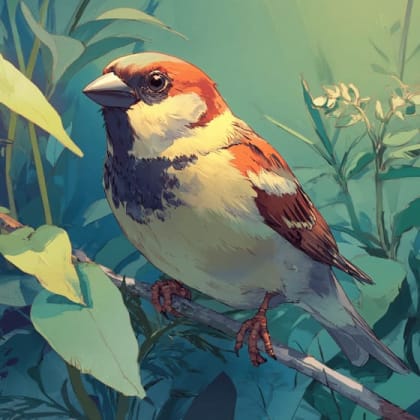
You might spot Eastern Gray Squirrel, Duck, and House Sparrow.
View guide →

Illinois, US
You might spot American Robin, Canada Goose, and House Sparrow.
View guide →

Virginia, US
You might spot Spotted Lanternfly and Northern Cardinal.
View guide →
Take the discovery with you
Identify the wildlife you spot, learn as you go, and keep a collection of the adventure.




















.jpg&width=800)