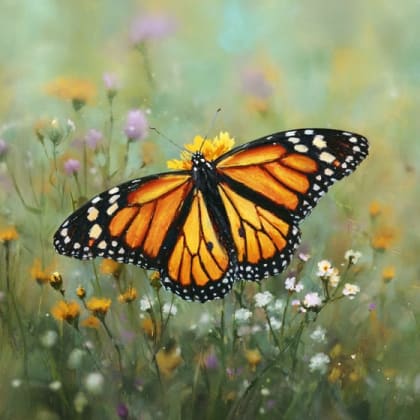





Monarch Butterfly

Lafayette Park in Detroit is a groundbreaking example of modernist urban planning and architecture.
Lafayette Park in Detroit is a groundbreaking example of modernist urban planning and architecture.
This unique neighborhood in Detroit, Michigan, stands as the world's largest collection of buildings designed by the renowned architect Ludwig Mies van der Rohe. It represents a visionary urban renewal project, integrating iconic International Style architecture with a meticulously planned landscape. Lafayette Park is not merely a collection of structures; it's a living testament to a mid-20th-century ideal of harmonious urban living, designated a National Historic Landmark District in 2015 for its exceptional significance in community planning and modern architecture.
Visitors can explore a fascinating blend of architectural masterpieces and serene green spaces. Key highlights include the sleek Pavilion Apartments and the towering Lafayette Towers, both showcasing Mies van der Rohe's signature minimalist design of exposed steel, glass, and concrete. Complementing these high-rises are the distinctive Mies van der Rohe Townhouses and Courthouses, the only rowhouses ever built to his designs, which offer an intimate scale. These structures are gracefully integrated into the expansive Lafayette Plaisance, a 13-acre central park designed by landscape architect Alfred Caldwell, featuring rolling meadows, mature specimen trees, and curvilinear paths that invite tranquil strolls. The thoughtful planning even extends to submerged parking areas, ensuring that views remain focused on nature rather than automobiles.
Lafayette Park offers a captivating experience for anyone interested in architectural innovation, urban renewal, and the seamless integration of human-made and natural environments. Its enduring design fosters a vibrant, stable community, making it a compelling destination. Beyond its architectural marvels, the park provides easy access to the Dequindre Cut Greenway, perfect for walking or cycling, and is conveniently located near other Detroit attractions like Eastern Market. It's a place where design principles of the past continue to shape a dynamic present, offering both aesthetic pleasure and a glimpse into pioneering urban development. Take the ultimate field guide with you: use the Snappit app to identify birds, plants, and animals on your trip.
Buffs:** Those interested in Detroit's urban history and the narrative of post-war redevelopment. * **Nature Lovers:** Appreciative of curated urban green spaces and the deliberate integration of flora.
Take a self-guided or organized walking tour focusing on the architectural elements. Enjoy a picnic on the Lafayette Plaisance, or simply relax and observe the interplay of modernist design and natural surroundings. Walk or bike along the Dequindre Cut Greenway, which often features urban art.
Spring: Enjoy the fresh blooms and comfortable temperatures, ideal for photography.
Summer: Lush green foliage, perfect for outdoor recreation; be prepared for warmer, potentially humid weather.
Fall: Witness spectacular autumn colors in the trees, making for picturesque views. Temperatures are mild and pleasant.
Winter: Experience a stark beauty, with bare trees highlighting the architectural forms. Bundle up, as Detroit winters are cold and snowy.
Lafayette Park features paved sidewalks and walking paths throughout its green spaces, making it generally accessible for pedestrians. The design prioritizes pedestrian movement, with vehicle traffic and parking often minimized or subtly integrated below grade.
The minimalist glass-and-steel architecture of the **Pavilion Apartments** and **Lafayette Towers**.
The unique **Mies van der Rohe Townhouses** and **Courthouses**, providing a contrasting scale of modern residential design.
The expansive **Lafayette Plaisance**, the central green space with its artfully designed pathways and mature trees.
The seamless integration of landscape elements by **Alfred Caldwell**, especially how nature frames the buildings and conceals parking.
Each card links to a full Explore page with photos, traits, and fun facts.

















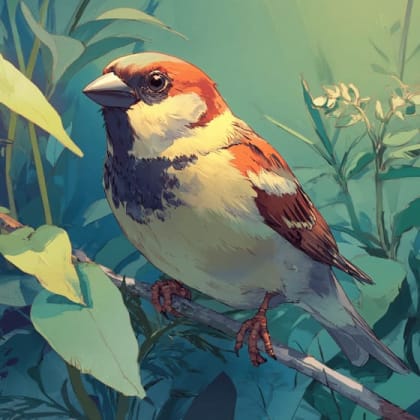


















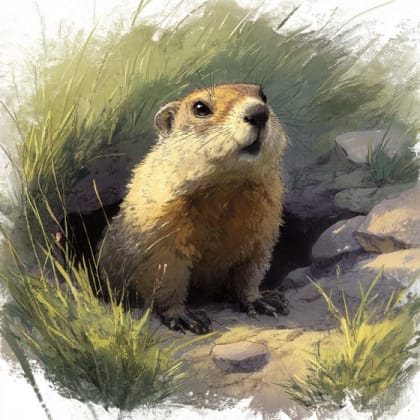



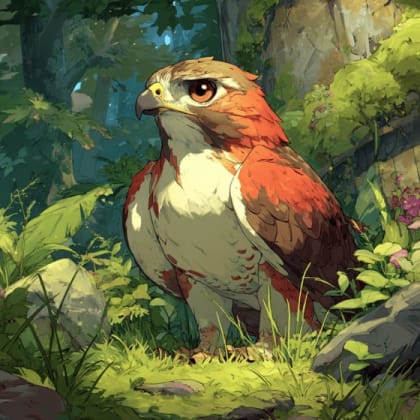

Start with the big picture, then zoom in to explore individual wildlife observations around this place.
Consider a Guided Tour
** For a deeper understanding of the architecture and urban planning, look into guided tours offered by local organizations like the Detroit Experience Factory.
Explore on Foot
The best way to appreciate the integrated design of buildings and landscape is by walking the pedestrian paths and green spaces. Wear comfortable shoes!
Visit the Dequindre Cut
Easily accessible from Lafayette Park, the Dequindre Cut Greenway offers an urban trail experience with public art and a unique perspective on the city.
Notice the Landscape Design
Pay attention to Alfred Caldwell's intentional use of plantings, specimen trees, and subtle grading to integrate buildings with nature and minimize the visual impact of cars.
Photography Opportunities
The clean lines of the modernist buildings juxtaposed with the natural elements make for excellent photographic subjects, especially during the "golden hours" of sunrise or sunset.
Parking
While parking is strategically tucked away, there are designated parking areas within the neighborhood; observe local signs. Some residents report it's generally easy to find parking.
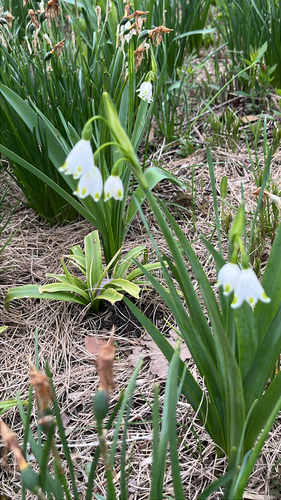
Apr 25, 2026
Photo attribution
(c) Mike Carnill, some rights reserved (CC BY)
License: CC BY 4.0 ↗
Image may be shown cropped inside the card frame.
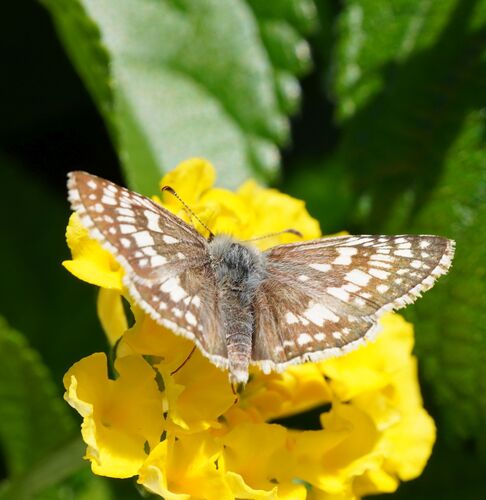
Aug 22, 2025
Photo attribution
no rights reserved
License: CC0 1.0 ↗
Image may be shown cropped inside the card frame.
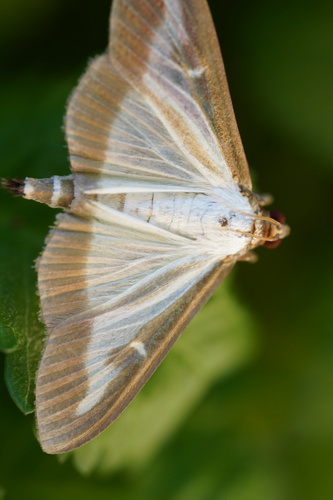
Aug 22, 2025
Photo attribution
no rights reserved
License: CC0 1.0 ↗
Image may be shown cropped inside the card frame.
Jun 20, 2026
Jun 19, 2026

Maryland, US
You might spot White-Tailed Deer and Eastern Gray Squirrel.
View guide →
.jpg)
District of Columbia, US
You might spot Eastern Gray Squirrel, Duck, and House Sparrow.
View guide →

Illinois, US
You might spot American Robin, Canada Goose, and House Sparrow.
View guide →

Virginia, US
You might spot Spotted Lanternfly and Northern Cardinal.
View guide →
Take the discovery with you
Identify the wildlife you spot, learn as you go, and keep a collection of the adventure.