Canada Goose

The Michigan–Wacker Historic District in Chicago, Illinois, is a captivating journey through the city's architectural grandeur and rich history.
The Michigan–Wacker Historic District in Chicago, Illinois, is a captivating journey through the city's architectural grandeur and rich history. Designated on the National Register of Historic Places, this special area boasts a remarkable concentration of towering skyscrapers built in the 1920s, showcasing a fascinating evolution of architectural styles along the Chicago River. It stands as a testament to Chicago's rapid urban development and its pivotal role in American history, offering an unparalleled glimpse into a bygone era of design and ambition.
The district is renowned for its iconic structures, including the ornate Wrigley Building with its gleaming white facade and signature clock tower, and the Neo-Gothic Tribune Tower, famously incorporating fragments from historic sites worldwide. Visitors can marvel at the Art Deco elegance of the Carbide & Carbon Building, distinguishable by its dark green terra cotta and gold accents, and the impressive London Guarantee Building, reflecting Gothic and Baroque Revival styles. Beyond these architectural giants, the Michigan Avenue Bridge, a historic bascule bridge adorned with monumental sculptures, and the scenic Chicago Riverwalk provide breathtaking vistas and photo opportunities, tying together the district's historical and contemporary appeal.
A visit to the Michigan–Wacker Historic District is an immersive experience, offering stunning architectural views, a deep dive into Chicago's urban planning history, and a chance to connect with significant landmarks. It's an ideal destination for those who appreciate the intricate details of early 20th-century skyscrapers and the stories they tell. This district serves as an impressive gateway to North Michigan Avenue, leaving a memorable impression of Chicago's enduring legacy in design and innovation. Unlock an interactive field guide for this spot: get the Snappit app to identify nature on the go.
Buffs * Photographers * Urban Explorers
Embark on an architectural walking tour to learn about the history and design of the buildings. Consider an architectural boat tour on the Chicago River for a different vantage point. Enjoy photography of the impressive skyscrapers and the riverfront.
While the architecture is a year-round attraction, the Chicago Riverwalk and outdoor activities are best enjoyed in warmer months. Winter visits can offer a starkly beautiful, though often cold, landscape.
The Chicago Riverwalk, a key component of the district, features ADA compliant ramps at locations such as State Street, Clark Street, Franklin Street, and Lower Stetson Avenue, connecting upper Wacker Drive to the Riverwalk level. Sidewalks throughout the district are generally accessible.
Admire its iconic white terra cotta facade and clock tower.
Observe its Neo-Gothic design and the embedded fragments from historic buildings around the world.
Appreciate its Baroque Revival architecture.
Note its distinctive Art Deco style and dark green and gold exterior.
Each card links to a full Explore page with photos, traits, and fun facts.














































Start with the big picture, then zoom in to explore individual wildlife observations around this place.
Wear comfortable walking shoes, as the best way to experience the district is on foot.
Bring a camera to capture the stunning and diverse architectural masterpieces.
Consider taking a Chicago River architectural boat tour for a unique perspective of the buildings from the water.
Dedicate time to stroll along the Chicago Riverwalk, especially under the Michigan Avenue Bridge, for different views.
Look closely at the building facades; many, like the Tribune Tower, feature intricate details and historical elements.
Visit during daylight hours to fully appreciate the architectural details and the interplay of light on the buildings.
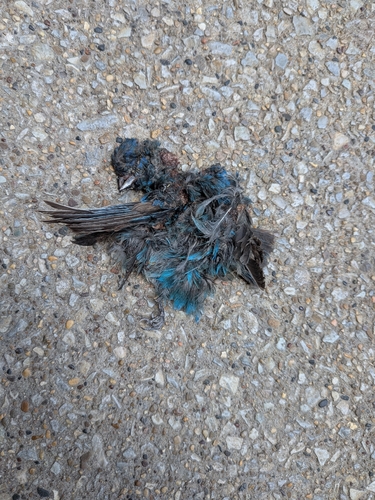
Jun 19, 2026
Photo attribution
(c) Habib Rehman, some rights reserved (CC BY)
License: CC BY 4.0 ↗
Image may be shown cropped inside the card frame.
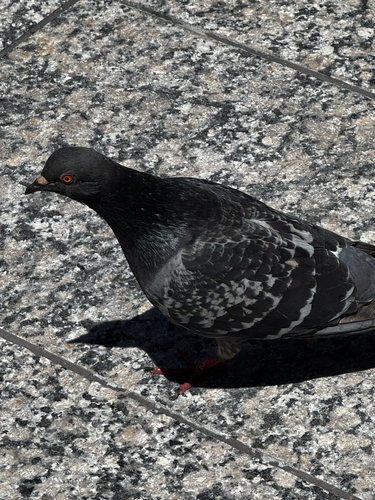
Jun 19, 2026
Photo attribution
(c) Gregory Wada, some rights reserved (CC BY)
License: CC BY 4.0 ↗
Image may be shown cropped inside the card frame.
Jun 20, 2026
Jun 20, 2026
Jun 20, 2026

Maryland, US
You might spot White-Tailed Deer and Eastern Gray Squirrel.
View guide →
.jpg)
District of Columbia, US
You might spot Eastern Gray Squirrel, Duck, and House Sparrow.
View guide →

Illinois, US
You might spot American Robin, Canada Goose, and House Sparrow.
View guide →

Virginia, US
You might spot Spotted Lanternfly and Northern Cardinal.
View guide →
Take the discovery with you
Identify the wildlife you spot, learn as you go, and keep a collection of the adventure.