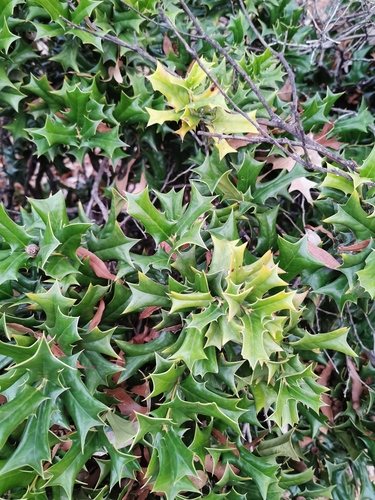
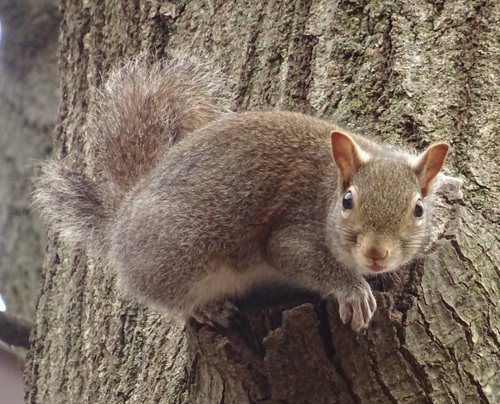
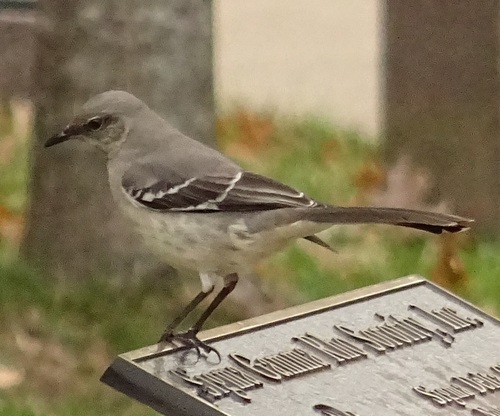
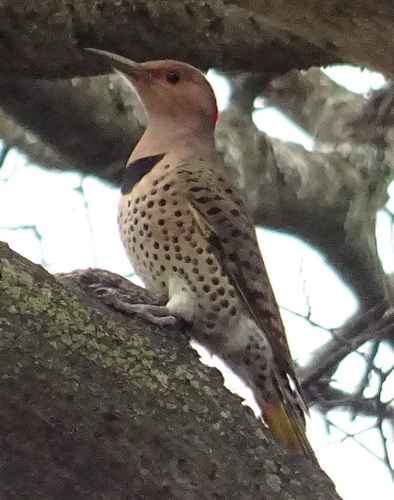
Eastern Gray Squirrel

Vanderbilt University offers a breathtaking campus experience, recognized as a Level II accredited arboretum and often listed among America's most beautiful university grounds.
Vanderbilt University offers a breathtaking campus experience, recognized as a Level II accredited arboretum and often listed among America's most beautiful university grounds. More than just an educational institution, its 340-acre campus serves as a verdant oasis in urban Nashville, boasting a diverse collection of over 6,000 trees and shrubs representing more than 190 species. Visitors can explore a harmonious blend of historic architecture and lush landscapes, providing a tranquil escape and a feast for the senses.
The arboretum features an impressive array of woody plants, including a significant number of Southern Magnolias (over 500 representatives) and 16 different species of oaks. While the iconic Bicentennial Oak, a Bur Oak predating the American Revolution, fell in 2022, the campus continues to showcase "Big Trees" like a towering Southern Red Oak near the Nursing School and a large Sugarberry in the Divinity School courtyard. Beyond individual trees, visitors can discover themed gardens such as the Historical Medicinal Garden, the vibrant Massey Circle annual flower bed, and Wildflower Designated Areas promoting native species and pollinators.
Exploring Vanderbilt's campus is an immersive journey through nature and history, offering serene walking paths, impressive architectural landmarks, and carefully curated green spaces. Whether you're a nature enthusiast, a history buff, or simply seeking a peaceful stroll, the university's commitment to its arboreal heritage and inviting atmosphere makes it a memorable destination. The campus provides a unique opportunity to appreciate a living collection of diverse flora alongside grand academic buildings. Eager to name that creature? Identify any animal you find during your visit using the Snappit app.
and architecture buffs * Casual strollers and those seeking a peaceful escape * Photography * Families (for walks and exploring green spaces)
Take a self-guided walking tour using the university's interactive tree map, stroll through the various gardens, admire the historic buildings, and enjoy the peaceful atmosphere. Look for tree identification signs to learn about the diverse species.
Spring: Witness blooming flowers and trees, especially the Yoshino flowering cherry trees. The Historical Medicinal Garden begins to bloom.
Summer: Enjoy lush greenery, though campus can be quieter. The Historical Medicinal Garden can be seen throughout the summer.
Fall: Experience vibrant autumn foliage from the diverse tree collection.
Winter: The campus retains its beauty, though fewer flowers and leaves will be present.
The campus generally features paved pathways, and many areas are accessible. Visitors can inquire about specific accessibility details when planning a visit.
The iconic administrative building with its distinctive tower and neo-gothic design, a symbol of the university's legacy.
The university's largest annual flower bed, planted twice a year for vibrant seasonal displays.
A central green space often bustling with student activity and host to events.
A hands-on teaching resource featuring plants selected from an 18th-century midwife's book, blooming spring through summer.
Each card links to a full Explore page with photos, traits, and fun facts.



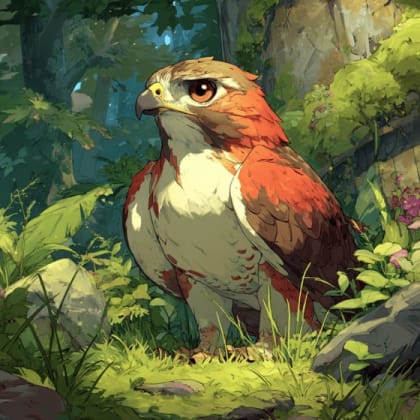













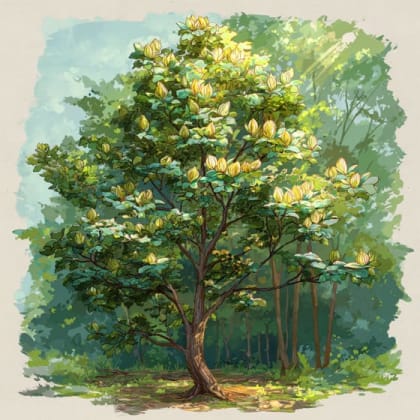

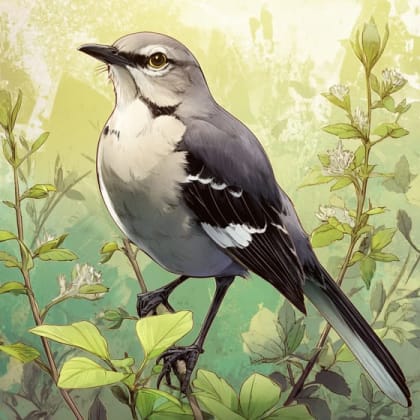





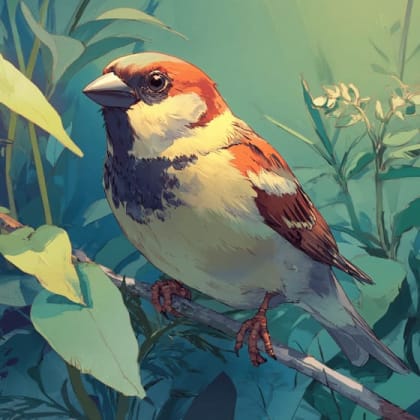



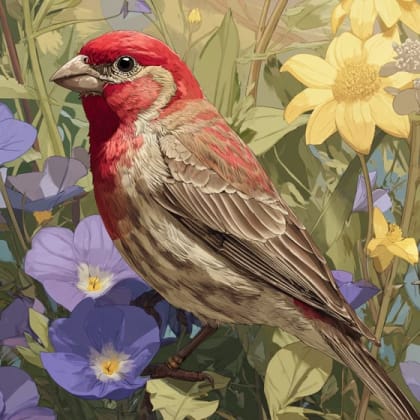
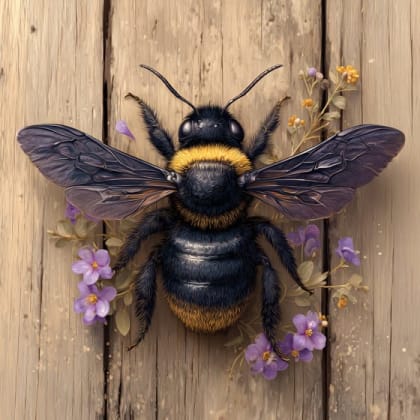





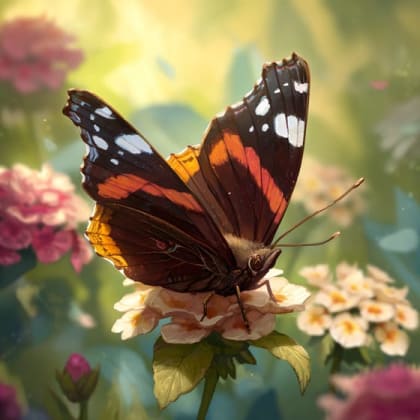


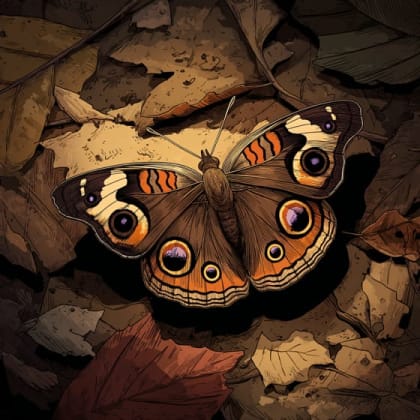





Start with the big picture, then zoom in to explore individual wildlife observations around this place.
Utilize the Interactive Tree Map
Before or during your visit, explore the Vanderbilt Arboretum's interactive tree map online to identify specific tree species and their locations.
Wear Comfortable Shoes
The campus spans 340 acres, so comfortable footwear is essential for walking and exploring.
Plan for Parking
Parking in Midtown Nashville can be challenging. For admissions visitors, a pay garage at 2525 West End Garage (use 2550 Kensington Place for GPS) is available, about a 10-minute walk from the admissions office.
Explore Themed Gardens
Don't miss the Historical Medicinal Garden and the vibrant Massey Circle for unique plant collections and seasonal blooms.
Look for Architectural Details
Beyond the trees, admire the diverse architecture, from the neo-gothic Kirkland Hall to the grand Wyatt Center.
Visit during a Class Day
To experience the campus at its most lively, consider visiting on a weekday when classes are in session (avoiding finals week or holiday breaks).
Dec 27, 2025
Photo attribution
(c) Y. Liu, some rights reserved (CC BY)
License: CC BY 4.0 ↗
Image may be shown cropped inside the card frame.
Dec 27, 2025
Photo attribution
(c) Y. Liu, some rights reserved (CC BY)
License: CC BY 4.0 ↗
Image may be shown cropped inside the card frame.
Dec 27, 2025
Photo attribution
(c) Y. Liu, some rights reserved (CC BY)
License: CC BY 4.0 ↗
Image may be shown cropped inside the card frame.
Dec 27, 2025
Photo attribution
(c) Y. Liu, some rights reserved (CC BY)
License: CC BY 4.0 ↗
Image may be shown cropped inside the card frame.
Jun 16, 2026

Maryland, US
You might spot White-Tailed Deer and Eastern Gray Squirrel.
View guide →
.jpg)
District of Columbia, US
You might spot Eastern Gray Squirrel, Duck, and House Sparrow.
View guide →

Illinois, US
You might spot American Robin, Canada Goose, and House Sparrow.
View guide →

Virginia, US
You might spot Spotted Lanternfly and Northern Cardinal.
View guide →
Take the discovery with you
Identify the wildlife you spot, learn as you go, and keep a collection of the adventure.